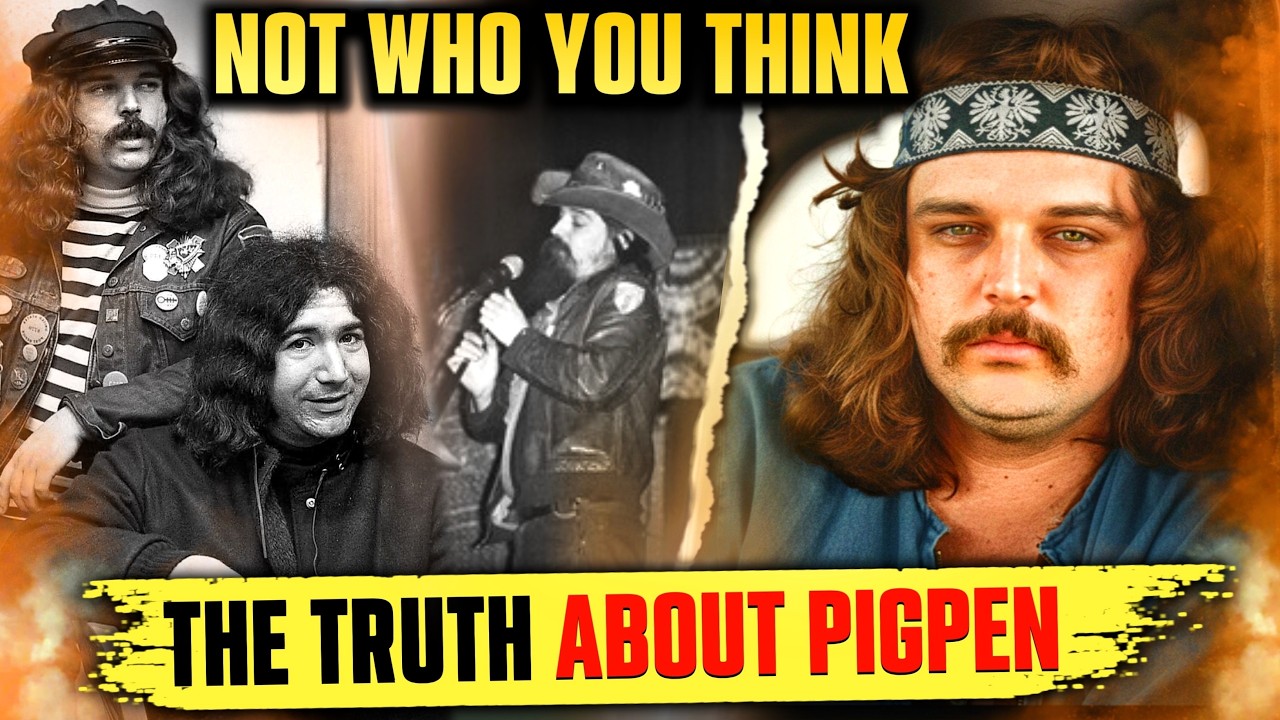
Pigpen’s Myth Was Loud. The Reality Was That He Held the Dead Together
The Myth of Pigpen
Ron McKernan, known as Pigpen, has become folklore in Grateful Dead lore: the hard-drinking bluesman biker with a Hell’s Angels swagger who burned bright and died young at 27. The image endures—a pirate of a musician, rough around the edges, the embodiment of rock and roll excess. This myth contains elements of truth: McKernan did drink heavily, did cultivate a biker aesthetic and rode with outlaw crews, and did die on March 8, 1973, in his Corte Madera apartment, found dead around 9 p.m. by his landlady. But the myth obscures a more complex and crucial reality about who Pigpen actually was within the Grateful Dead.
The Anchor
Rock Scully, a longtime Prankster and Dead associate, described Pigpen’s true function in the band with crystalline clarity: “Pig was our anchor. No matter how screwed up we got on LSD and how crazy it got for us, you could always look to Pigpen to bring you down to Earth and be there for you.” During the early years when the band was experimenting with psychedelic music and consciousness-altering substances, Pigpen provided emotional and musical grounding. When the Dead were “going way, way out” in extended improvisations like “Dark Star,” Scully explained, they knew they could listen to Pig and have some structure to return to.
Phil McKernan’s Influence
Ron McKernan was born in 1945 to Phil McKernan, known as “Cool Breeze,” an R&B disc jockey on KRE radio. This lineage mattered. Unlike several other band members who came to blues through folk music or psychedelia, Pigpen had blues in his cultural DNA, inherited from his father’s deep immersion in the tradition. This gave his organ playing and vocal delivery an authenticity rooted in genuine blues knowledge, not just rock and roll affectation.
The Unseen Caregiver
The transcripts and interviews reveal a Pigpen at odds with the public mythology. He was the kind of person who covered people with blankets at acid tests when they were lost in difficult trips. He told elaborate stories—like telling The Hobbit to a teenager sitting in a station wagon—showing a capacity for care and human connection that runs counter to the hard-living outlaw image. Phil Lesh recalled having to practically drag Pigpen out of bed most days, with the organist crawling out the window fully clothed, hat and all, ready to go rehearse or perform.
Jerry’s Assessment
Jerry Garcia’s characterization said everything about Pigpen’s role: “our anchor.” Not our showman, not our virtuoso, but our anchor. In music and in the psychedelic chaos of the early Dead experience, Pigpen was the stabilizing force. His bluesman’s sensibility provided counterweight to the experimental, avant-garde impulses that might otherwise have sent the Dead spinning completely into abstraction.
A Short Life, an Outsized Impact
When Pigpen died in March 1973 at age 27, it wasn’t just the loss of a musician—it was the loss of the band’s emotional ballast at a moment when they desperately needed it. Bear’s Choice, the album Owsley Stanley was working on at the time of Pigpen’s death, became a lasting tribute. Three days after his death, a wake and party were held at Bob Weir’s house. The next day, March 12, a traditional Roman Catholic funeral took place at a mortuary. But the real measure of Pigpen was in what the band lost: a man who had held them together through the wildest years of their history.
Subscribe to The Shakedown Archives for more Grateful Dead documentaries, and explore more stories at TheShakedownArchives.com.
The Shakedown Archives publishes new research on Grateful Dead history each week. If you enjoyed this essay, you can subscribe to the companion YouTube channel below.
Subscribe on YouTube