The Deadhead Who Opened The Door To Biggest Art Heist In History
The largest art theft in history, 500 million dollars gone and still unsolved, had one witness nobody could ever explain: the Grateful Dead fan working the museum door.

The Grateful Dead built an economy around themselves. Tape trading, fan-run parking lots, a famously open touring accounting model, and a merch operation that paid for a lot of the band’s life. They also sat inside (and shaped) a much larger cultural scene — the acid tests, the Deadheads as decentralized network, the connection to Silicon Valley through John Perry Barlow and the EFF. This archive covers the money, the community, the drug culture, the relationships inside the band, and the larger American scene the Dead were part of and partially responsible for.
The largest art theft in history, 500 million dollars gone and still unsolved, had one witness nobody could ever explain: the Grateful Dead fan working the museum door.
Everyone remembers Kurt Cobain’s “KILL THE GRATEFUL DEAD” shirt. Almost nobody remembers that the backlash he gets blamed for was already twenty years old.
How a $5,000 Rex Foundation check from the Grateful Dead funded Lithuania’s 1992 Olympic basketball team — and put tie-dye skeleton jerseys on the Barcelona podium.
The bizarre and deadly history behind the Grateful Dead’s infamous keyboard chair — an unlikely piece of band lore that nearly cost someone their life.
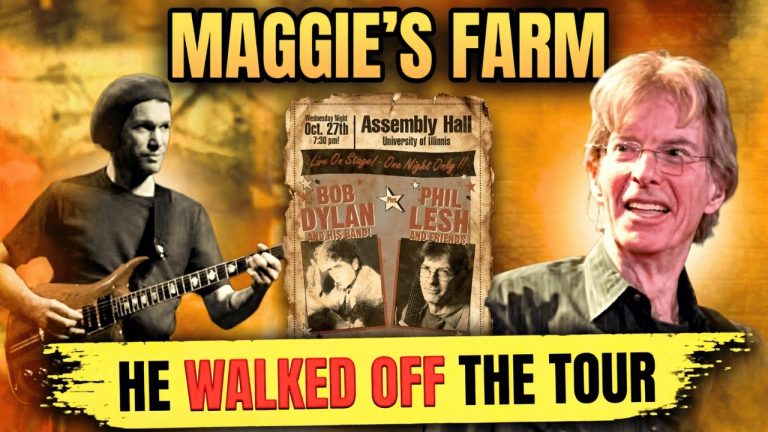
Jerry Garcia called Steve Kimock his favorite unknown guitar player. He anchored Phil Lesh & Friends through the Warfield shows with Trey Anastasio. Then one show on the Dylan tour — and he drove home forever.
The Paradox of Success: Jerry Garcia on Fame and the Grateful Dead In a candid moment captured during an interview, Jerry Garcia reflected on one of rock and roll’s most persistent and uncomfortable questions: does success spoil artists and their creative integrity? His response was characteristically irreverent and tongue-in-cheek, but it masked a deeper meditation…
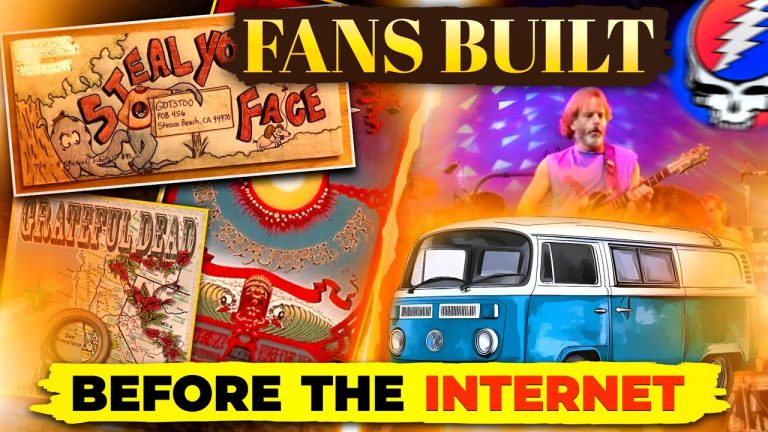
The Network Built by Hand, Before the Internet Before Ticketmaster dominated concert ticketing, before email made instant communication routine, before smartphones revolutionized how we organize our lives and coordinate with others, Deadheads built something that by any rational analysis shouldn’t have been possible. They created a nationwide network that moved 20,000 people across state lines,…
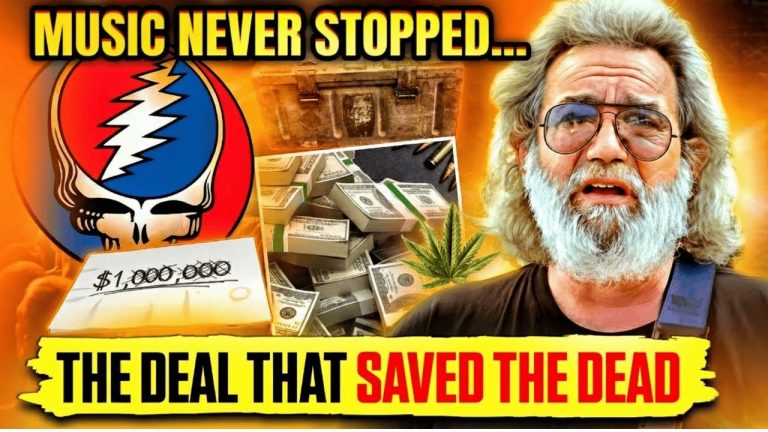
The Ideal vs. The Reality: Why the Dead Broke The Grateful Dead epitomized the anti-establishment ethos of the 1960s—free spirits who rejected the trappings of commercial success and positioned themselves as a genuine alternative to the corporate rock machine. From their very inception, they claimed they would never compromise their artistic integrity for money. But…
The Government’s Secret LSD Experiments The story of LSD in America is entangled with Cold War paranoia and government overreach. Beginning in 1953, the Central Intelligence Agency initiated a secret program called MK-ULTRA, ostensibly designed to explore whether LSD could serve as a truth serum or a tool for mind control. The CIA studied the…
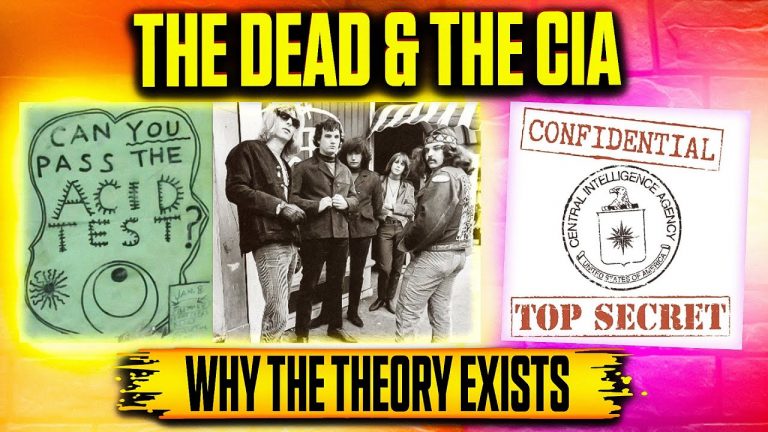
The Cold War Context: America in 1965 The conspiracy theories about the Grateful Dead and the CIA didn’t emerge in a vacuum. To understand why people believe the government had its hands in the band’s story, you have to first understand the world the Grateful Dead came of age in. It’s 1965. The Cold War…
© 2026 The Shakedown Archives. Editorial research and commentary. Sources cited per article.