The Crew That Kept the Grateful Dead Alive When Everything Was at Risk
The Infrastructure Behind the Music
The Grateful Dead’s story is often told through the lens of Jerry Garcia, Phil Lesh, the songwriting, the concerts, and the legendary shows. But the band’s survival through decades of touring depended on an invisible workforce: the road crew. These were the people who built the stages, managed the equipment, drove the trucks, and solved the endless logistical problems that arise when moving a complex traveling operation from city to city across America.
Steve Parish and the Gear Crisis
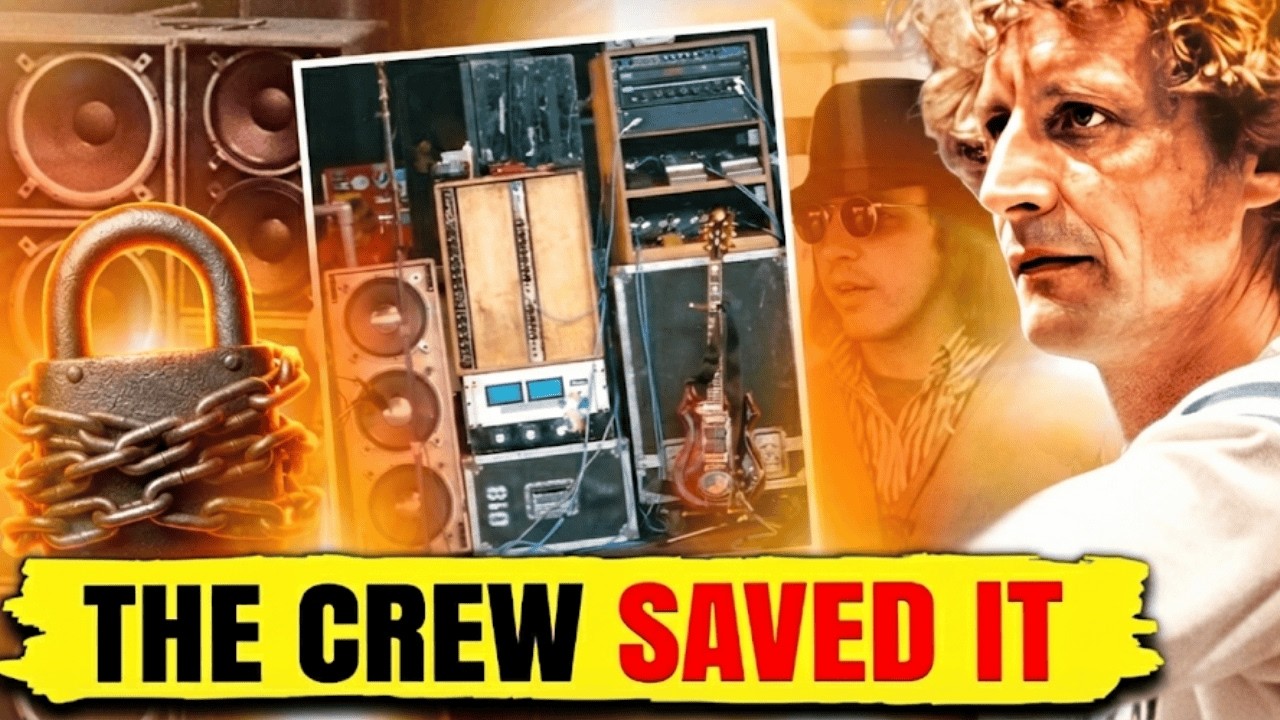
Steve Parish emerged as one of the most crucial crew members in Dead history. Parish’s memoir, Home Before Daylight, recounts an incident that reveals how fragile the Dead’s operation could be. After a show, a promoter locked up all the Dead’s equipment over a payment dispute. This wasn’t just missing a few cables or guitar strings—it was the entire PA system, the amplifiers, the lighting gear, everything needed to perform. Without this equipment, the Dead couldn’t tour. Without touring, they couldn’t survive financially or creatively.
The Breaking Point
Rather than accept the loss and negotiate, the crew took decisive action. Parish and the others broke into the locked storage and rescued the gear. It was a pivotal moment: the crew chose to protect the band’s ability to operate over respecting legal claims or contractual disputes. The willingness to take this kind of action—to step outside normal boundaries to ensure the Dead could continue—demonstrated the crew’s identification with the band’s mission.
Beyond This Single Crisis
Parish’s story wasn’t an isolated incident but representative of the crew’s role throughout the Dead’s history. After a performance, Parish could coordinate the logistics of dismantling massive stage productions in 40 minutes, directing the hoists to bring speakers down, instructing union stagehands, and overseeing the loading of trucks. When equipment failures occurred—lights blowing in the truck—the crew adapted and kept the operation moving.
The Crew’s Sacrifice
The Dead’s transportation to Egypt in 1974 required managing nearly 75 tons of equipment overseas. The logistics of clearing gear through JFK Airport, coordinating international shipping, and ensuring everything arrived for the tour represented the kind of massive operational challenges that fell on the crew’s shoulders. These were problems that never made it into songs or show reviews, but without solving them, the Dead simply wouldn’t have functioned.
The True Meaning of Independence
When the band “chose independence” and built their own sound systems, created their own concert experiences, and refused to be constrained by conventional rock and roll business practices, they could only do so because they had a crew willing to support that vision. Parish, Dan Healy, and the others weren’t just technicians—they were essential partners in the Dead’s entire project. Their willingness to go the extra mile, to break in and rescue locked-up gear, to work 15-hour days without complaint, made the Grateful Dead’s decades of touring possible.
Subscribe to The Shakedown Archives for more Grateful Dead documentaries, and explore more stories at TheShakedownArchives.com.
The Shakedown Archives publishes new research on Grateful Dead history each week. If you enjoyed this essay, you can subscribe to the companion YouTube channel below.
Subscribe on YouTube