The Folk And Jug Band Origins Behind The Grateful Dead
Before the Dead: The Warlocks and Earlier
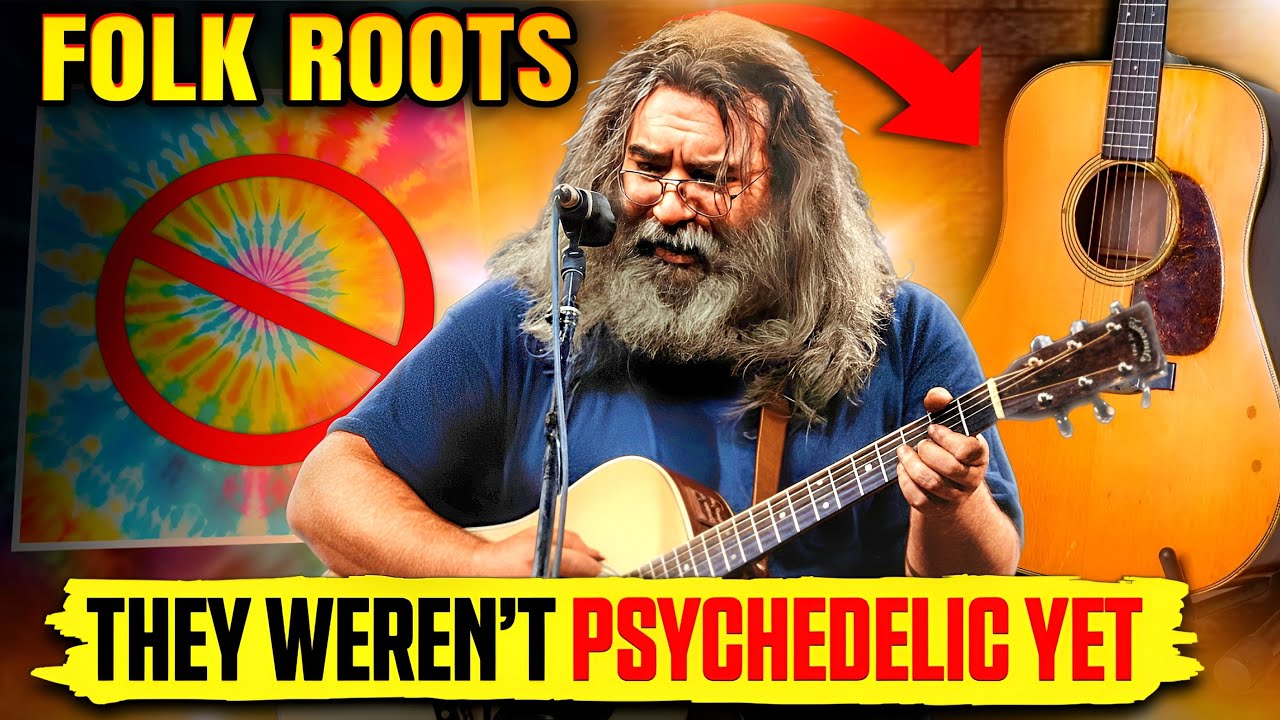
The Grateful Dead didn’t emerge fully formed in 1965. The band’s members had musical lives before they became the Dead—lives rooted in folk music, bluegrass, and jug bands. Bob Weir, Jerry Garcia, and Ron McKernan were playing folk music around the Bay Area in 1965, participating in a thriving folk scene that predated the psychedelic explosion by years. These weren’t musicians discovering rock and roll; these were traditionalists encountering electric amplification and mind-altering substances.
The Smithsonian Folkways Discovery
Jerry Garcia was obsessed with Smithsonian Folkways recordings. These albums, released by Moses Asch’s legendary Folkways Records label, documented American traditional music: ballads, blues, fiddle tunes, work songs, and the acoustic heritage of the nation. Garcia studied these recordings with the intensity of a musicologist, absorbing not just the songs but the entire philosophy of how traditional music could be approached with seriousness and respect. This wasn’t trendy folk revival; this was deep engagement with American musical roots.
The Jug Band Connection
Before they called themselves the Grateful Dead, the band members played in various jug bands and bluegrass groups. Jug bands, with their emphasis on acoustic instruments, ensemble playing, and interpretive freedom within a structured format, provided a template for how musicians could work together. The jug band tradition emphasized each musician’s voice within a collective sound, and the Grateful Dead would eventually apply this same principle to electric rock and roll.
The Acoustic Turn of 1969-1970
When the Grateful Dead recorded Workingman’s Dead in 1969 and American Beauty in 1970, they confused many observers. Here was a band that had been at the forefront of psychedelic innovation, known for extended electric jams and experimental music, suddenly releasing acoustic albums with tight harmonies and short songs. These records sounded rooted in traditional American folk and country music—bluegrass-influenced, harmony-driven, with each musician’s acoustic voice clearly audible.
Robert Hunter and Folk Storytelling
Robert Hunter’s songwriting pulled directly from traditional American folk storytelling. His lyrics referenced old ballads, used archaic language and folk narrative structures, and engaged with themes of loss, freedom, and wandering that went back centuries in American song tradition. When Garcia and Hunter wrote “Friend of the Devil,” “Dire Wolf,” and “Cumberland Blues,” they weren’t inventing new formulas—they were channeling a folk tradition that went back generations.
The Hidden Connection
The Grateful Dead’s evolution demonstrates that psychedelic rock and traditional folk music weren’t opposites. Both emphasized improvisation, oral tradition, community participation, and the idea that music could be reinvented in each performance. The electric experimentation and acid-fueled innovation of the Dead’s early years didn’t contradict their folk roots—it extended them into new territory. Working Man’s Dead and American Beauty weren’t a rejection of psychedelia; they were folk and bluegrass applied with the same spirit of exploration that had defined their earlier work.
Subscribe to The Shakedown Archives for more Grateful Dead documentaries, and explore more stories at TheShakedownArchives.com.
The Shakedown Archives publishes new research on Grateful Dead history each week. If you enjoyed this essay, you can subscribe to the companion YouTube channel below.
Subscribe on YouTube