Barlow’s Cowboy Tales: How a Wyoming Rancher Helped Shape a New Era For The Dead
The Lyricist History Forgot
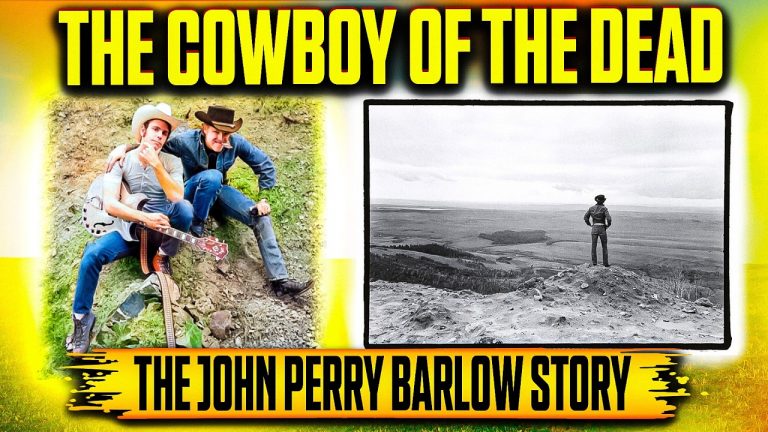
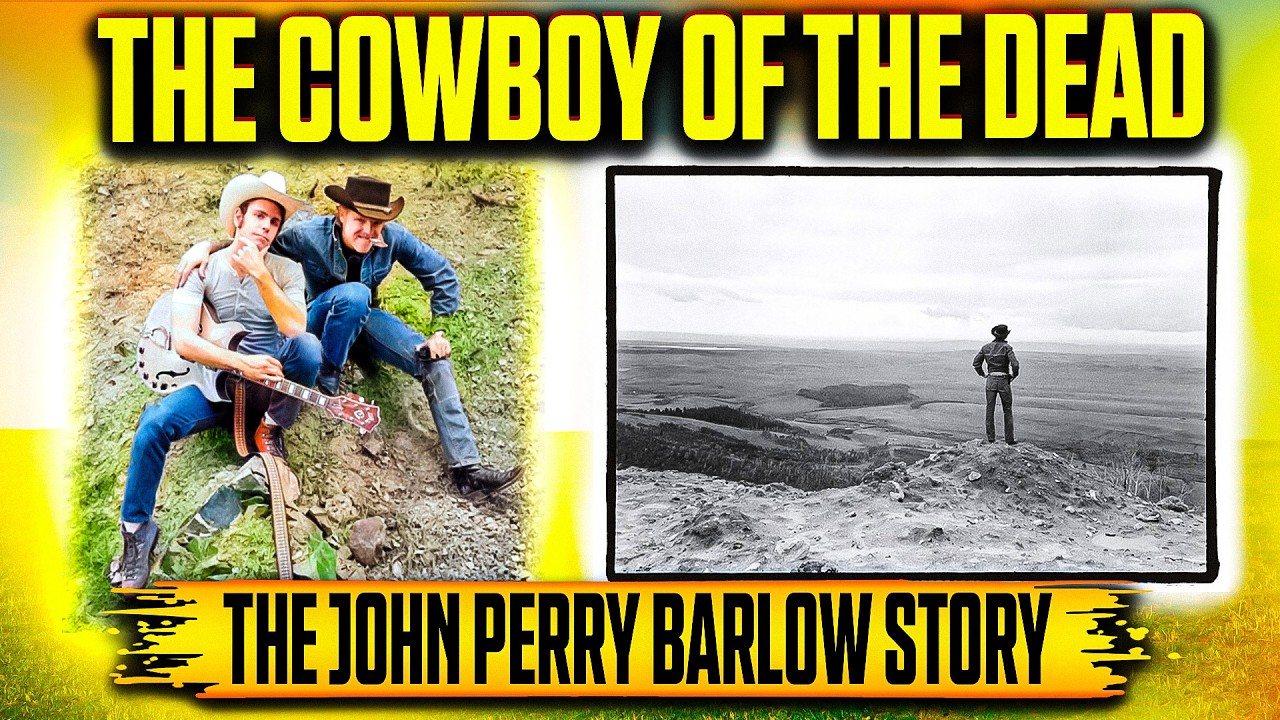
Robert Hunter’s name is synonymous with Grateful Dead lyrics in the minds of most fans and critics, rightfully so given his dominance in the band’s catalog. He crafted “Dark Star,” “Ripple,” “Terrapin Station,” and dozens of other compositions that transformed Jerry Garcia’s melodies into cosmic American mythology, capturing spiritual yearning in accessible language that spoke to millions. His influence on the Dead’s sound and direction cannot be overstated, and his work remains the archetype of Dead songwriting. But the Dead’s lyrical legacy extends beyond Hunter, and most fans have never fully acknowledged the contributions of John Perry Barlow, a Wyoming cattle rancher whose unconventional background and outsider perspective shaped an entire era of the band’s sound and helped define the early 1970s Dead in crucial ways. If you’ve ever lost yourself in a “Mexico” blues at a summer show or wondered why the early 1970s Dead suddenly sounded like they were scoring an unseen western film, soundtracking dusty frontier mythology, you’ve been living inside Barlow’s imagination and his unique perspective grounded in actual western experience.
The Rancher as Poet
Barlow came to songwriting from outside the rock and roll world entirely, bringing a sensibility that was refreshingly alien to Bay Area music tradition and its established conventions. He wasn’t a Bay Area hippie or a folk musician steeped in American ballad tradition, and that outsider status proved to be his greatest asset. He was a Wyoming cattle rancher with a lyrical sensibility grounded in actual westerns, frontier mythology, and the real landscape of the American interior—knowledge earned through lived experience rather than academic study or artistic affectation. This background gave him a perspective that Hunter, for all his gifts as a poet and wordsmith, couldn’t authentically provide. When Barlow brought lyrics to Garcia, he brought something rawer, more rooted in physical geography and less concerned with cosmic abstraction and mythic overlay. His words placed the Dead’s music in dust, in saloons, in the uncomplicated honesty of the frontier. He wrote about people and places with specificity rather than symbolism, about situations grounded in actual experience rather than metaphorical abstraction.
The Mexico Blues and Beyond
Barlow’s most distinctive contributions emerged in the blues numbers that became staples of the early 1970s setlists, songs that possessed a character distinctly different from the Hunter-Garcia collaborations. These songs had a different weight and flavor, a different emotional resonance than the cosmic epics that defined Hunter’s work. They carried the specificity of place and the weight of actual experience rather than imagined mythology. Barlow didn’t write abstract lyrics about abstract concepts or spiritual states—he wrote about people, places, and situations with the eye of someone who had lived in the actual world rather than in the symbolic realm. The Dead’s early 1970s first sets, when they began to sound less psychedelic and more rooted in American tradition, were partly Barlow’s doing, his insistence on grounding the music in recognizable human experience and specific geographical locations.
An Outsider’s Influence
What made Barlow remarkable wasn’t that he was better than Hunter or that he captured something Hunter fundamentally missed—the question of superiority misses the point. Rather, Barlow represented an alternative tradition within the Dead’s creativity, one that pulled toward specificity and grounding rather than toward mythology and abstraction. His partnership with Garcia proved that the Dead could draw from multiple lyrical voices and remain coherent, that different worldviews and backgrounds could contribute to the band’s collective vision without diluting it or creating aesthetic contradiction. The combination of Hunter’s cosmic scope and Barlow’s earthbound specificity created a more complete artistic statement than either could have achieved alone.
Reclaiming the Overlooked Collaborator
Barlow’s contributions have been largely overshadowed by Hunter’s more public profile, his later prominence in the band’s organization, and his association with the band through multiple eras of its history. Yet without Barlow’s western sensibility and his grounding in place and physicality, the Grateful Dead’s sound would have been fundamentally different in crucial ways. The recognition of Barlow’s role requires acknowledging that the Dead’s creative genius wasn’t a collaboration between Garcia and one lyricist, but a more complex ecology of influences and voices. Honoring Barlow means recognizing that great art often benefits from perspectives outside its own tradition, from contributors willing to offer fundamentally different visions grounded in different lives and different landscapes. The Dead were successful precisely because they could incorporate Barlow’s frontier sensibility alongside Hunter’s mythic scope, creating tension and richness rather than homogeneity.
Subscribe to The Shakedown Archives for more Grateful Dead documentaries, and explore more stories at TheShakedownArchives.com.
The Shakedown Archives publishes new research on Grateful Dead history each week. If you enjoyed this essay, you can subscribe to the companion YouTube channel below.
Subscribe on YouTube