How a 1930s Prison Blues Song Became A Grateful Dead Anthem: The Story of “I Know You Rider”
A Prison Song Born From Tragedy
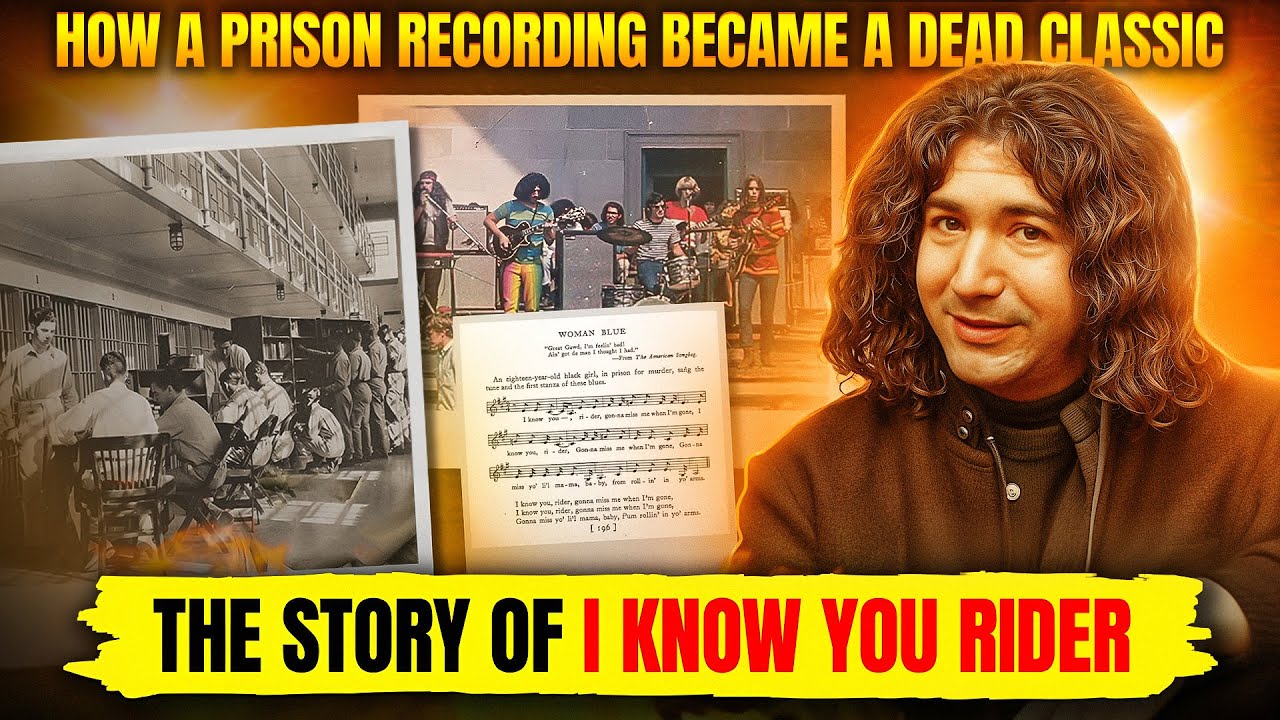
An 18-year-old woman sang four verses of a haunting blues melody in a Mississippi prison sewing room. The year was 1933, and she was serving time for murder, confined to a prison institution and separated from freedom and normal life. Blues field researcher John Lomax, who had come to the prison on a collecting expedition to document American folklore and blues traditions, believed he’d just discovered something profound—ancient folk tradition passed down through generations, the authentic voice of American struggle and heartache passed from person to person across centuries. He was wrong. Completely wrong. But that fundamental misunderstanding of what he was witnessing—that crucial gap between what Lomax thought he heard and what actually produced the song—would accidentally launch one of rock music’s most enduring anthems and lead directly, decades later, to the Grateful Dead.
Lomax and the Birth of a Misunderstanding
John Lomax traveled throughout the American South during the 1930s recording prison songs, work songs, and blues traditions—driven by the scholarly conviction that he was preserving American traditions that were disappearing as modernization spread. He saw himself as a folklorist collecting authentic cultural artifacts before they vanished forever. When he recorded that young woman’s voice singing “I Know You Rider” in that prison sewing room, he was absolutely convinced he was documenting folklore that stretched back generations into American history, transmitted through generations of African American musicians and community members.
What Lomax didn’t understand, what his folklorist framework prevented him from recognizing, was that he was recording something much more immediate and personal. He was capturing a song born from immediate trauma, crafted by someone living inside despair, not recounting it from historical distance and perspective. The woman singing wasn’t passing down ancient tradition; she was creating art in the moment as a way of surviving and transcending her current circumstances.
The Song’s Journey Through American Music
The song that young woman sang would eventually become a Grateful Dead staple that Dead fans would hear dozens of times across their concert-going lives, but not before it traveled through decades of musical history and multiple genres. It appeared in folk revival recordings when folk music became fashionable in the 1950s and 1960s. It was reinterpreted by blues musicians who recognized its power and authenticity. It accumulated layers of meaning as different artists claimed it and made it their own, each adding new arrangements, new emotional depths, new contexts that enriched the original without erasing its traumatic origins.
From Prison to Concert Halls
The irony of “I Know You Rider” is profound and moving. A song born in despair, recorded in a prison sewing room by an incarcerated teenager facing years in confinement, eventually became a song of transcendence and communal celebration in the hands of the Grateful Dead. When the Grateful Dead incorporated it into their repertoire and made it a regular feature of their live shows, they weren’t erasing its origins or pretending to a false cheerfulness. They were expanding its meaning in ways that honored the original while creating something new. The Dead understood that great music contains multitudes, that a song about heartbreak and loss could also be about endurance, resilience, and the power of community to transform suffering into art.
Mistaken Identity as Creative Catalyst
John Lomax’s misunderstanding—his deep conviction that he was recording ancient tradition when he was actually recording contemporary lived experience and immediate creative response to trauma—reveals something important about how music travels through culture and gets reinterpreted. Sometimes the displacement of meaning creates crucial space for new interpretations and new contexts. Sometimes being misunderstood allows art to move beyond its original context and find new audiences and new meanings. The song didn’t need to be what Lomax thought it was in order to be valuable and powerful; it was powerful because of what it actually was.
The Anthem That Connected Generations
When the Grateful Dead performed “I Know You Rider” in concert, they were connecting their audiences to that Mississippi prison sewing room in 1933, to the heartbreak and creative resilience of an 18-year-old woman, to centuries of African American struggle and blues tradition. They were also transforming it into something new—a song about connection, about traveling, about finding your way home and reconnecting with love. The song’s remarkable journey from John Lomax’s field recordings to Grateful Dead concert halls represents American music at its best—constantly evolving and expanding, always rooted in authentic human experience, forever moving toward new meanings while honoring and respecting where it came from. That’s the legacy of great songs that endure across generations and contexts.
Subscribe to The Shakedown Archives for more Grateful Dead documentaries, and explore more stories at TheShakedownArchives.com.
The Shakedown Archives publishes new research on Grateful Dead history each week. If you enjoyed this essay, you can subscribe to the companion YouTube channel below.
Subscribe on YouTube