42 Shows in 30 Years: The Dead’s Most Avoided Song
Ripple was the Grateful Dead’s most beloved song — and one of their rarest. Garcia wrote it on railroad tracks near Saskatoon, and the band played it maybe 40 times in 2,400 shows.

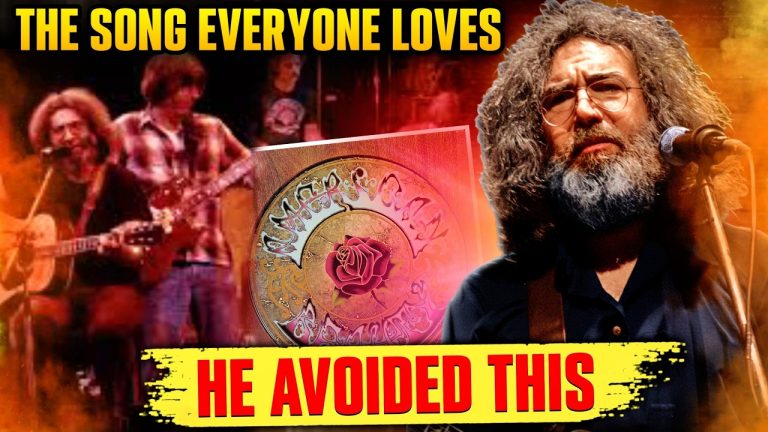
Ripple was the Grateful Dead’s most beloved song — and one of their rarest. Garcia wrote it on railroad tracks near Saskatoon, and the band played it maybe 40 times in 2,400 shows.
A Drummer’s Spiritual Quest Mickey Hart came to Indian classical music not through academic study but through a kind of spiritual hunger. In the late 1960s, as he was establishing himself as the Grateful Dead’s drummer, Hart began to explore percussion traditions from around the world. He wasn’t looking for exotic sounds to add to…
A Musical Discovery That Shaped Everything For decades, few people understood that Indian classical music fundamentally shaped the Grateful Dead’s approach to improvisation. The band’s exploration of ragas and North Indian classical traditions created the theoretical foundation for their free-form jamming that would become their signature. What started as a passionate listening habit turned into…
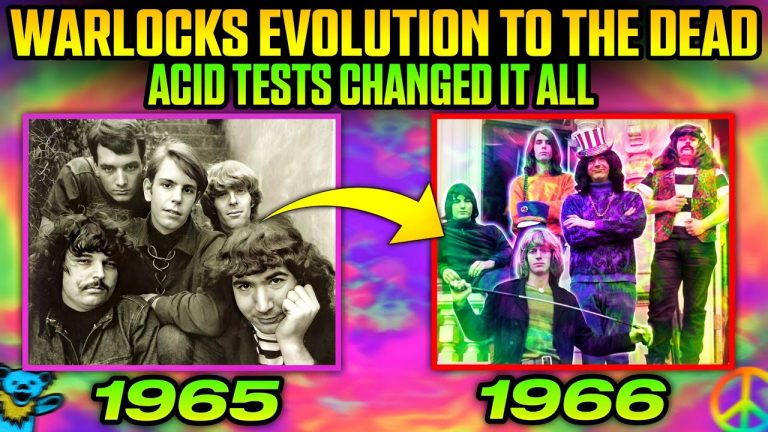
The Warlocks Discover a New Kind of Freedom Before the Grateful Dead became synonymous with 20-minute guitar solos and endless jam sessions, they were a bar band called the Warlocks who stumbled upon something entirely unexpected. On November 27th, 1965, a group of musicians showed up to a Halloween party in California with no instruments,…
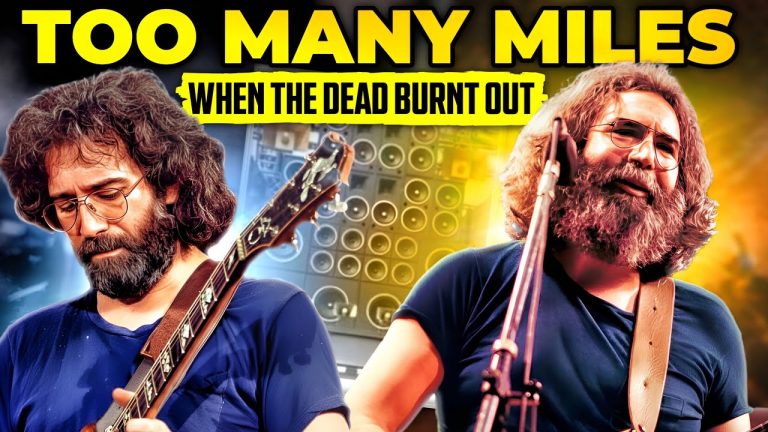
The Monster That Almost Destroyed the Band By 1974, the Grateful Dead had built something that seemed impossible: a sound system that weighed as much as a dozen full-grown elephants and stretched the length of a basketball court. The Wall of Sound, designed by Bear Stanley, consisted of over 600 speakers and cost almost $300,000…
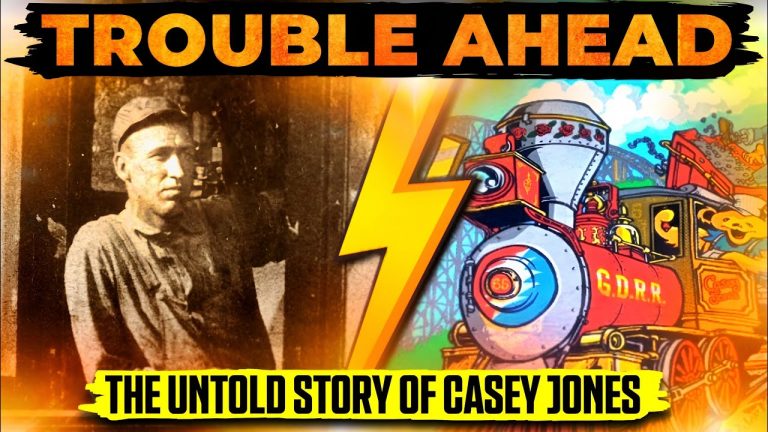
From Railroad Hero to Drug Cautionary On April 30th, 1900, a railroad engineer named John Luther Jones saw disaster ahead. His passenger train was barreling toward a stalled freight train near Vaughn, Mississippi, and there wasn’t enough track to stop. Jones told his fireman to jump, stayed at the controls, and slowed the locomotive just…
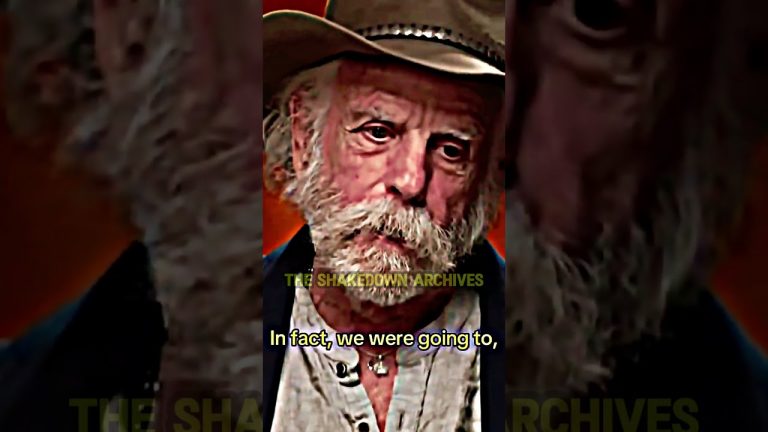
The Reunion That Was Always on the Horizon In their final conversations, the surviving members of the Grateful Dead spoke about plans that would never come to pass. Phil Lesh, the innovative bassist whose musical imagination had shaped the Dead’s sound for fifty years, was supposed to be there for one more reunion. The band…
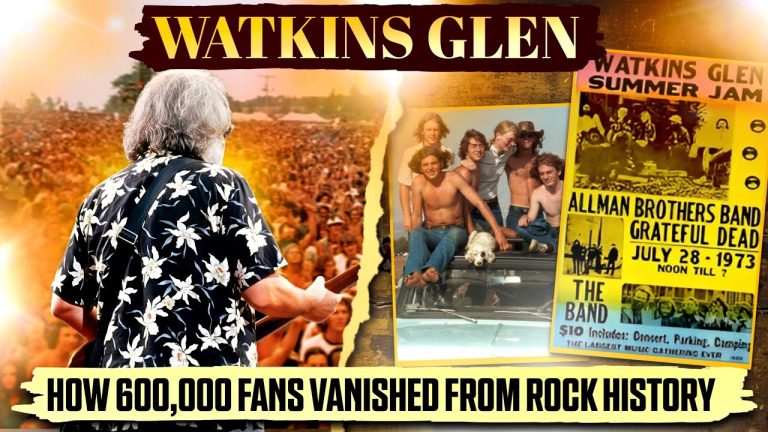
The Festival Nobody Remembers On July 28th, 1973, 600,000 people gathered at a racetrack in upstate New York for the largest concert in American history. The Grateful Dead, the Allman Brothers Band, and The Band all played. It was bigger than Woodstock by 150,000 people, and most people have never heard of it. Watkins Glen…
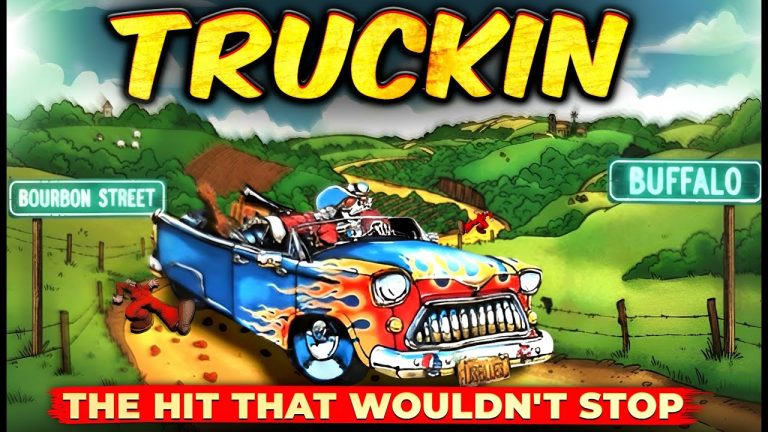
From Throwaway Single to Cultural Touchstone In 1970, the Grateful Dead released a song that wasn’t supposed to matter. A three-minute Chuck Berry knockoff edited down for radio because Warner Brothers needed a single. Something strange happened on the way to obscurity. That throwaway track became a 20-minute jam vehicle, a phrase quoted on Monday…
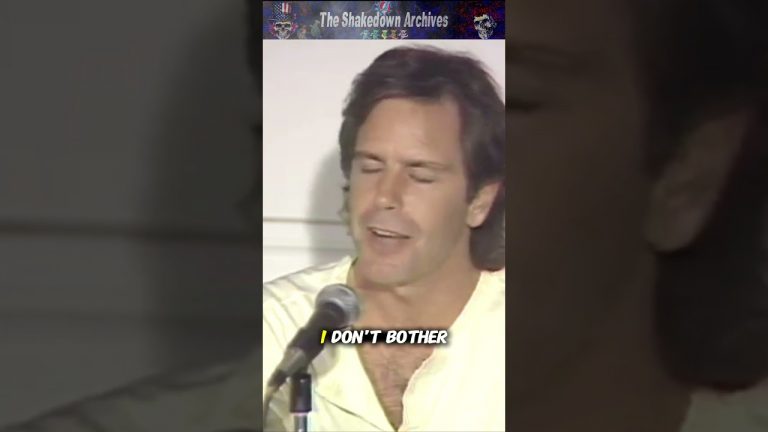
The Paradox of Success: Jerry Garcia on Fame and the Grateful Dead In a candid moment captured during an interview, Jerry Garcia reflected on one of rock and roll’s most persistent and uncomfortable questions: does success spoil artists and their creative integrity? His response was characteristically irreverent and tongue-in-cheek, but it masked a deeper meditation…
© 2026 The Shakedown Archives. Editorial research and commentary. Sources cited per article.