Brent Mydland & the Year the Dead’s Sound Was Reborn
The Keyboardist Nobody Expected
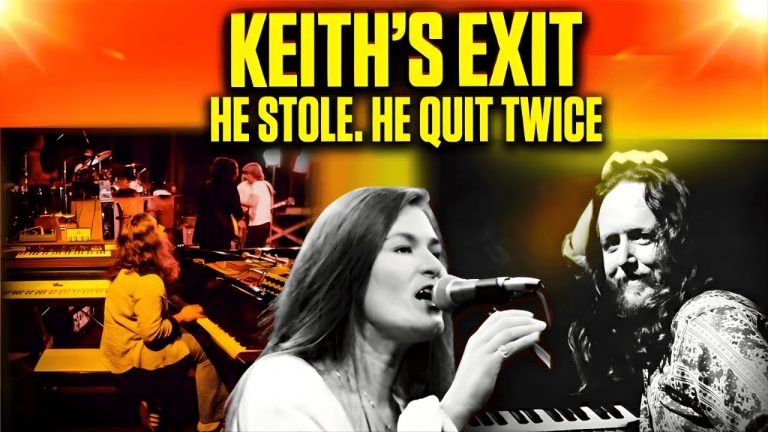
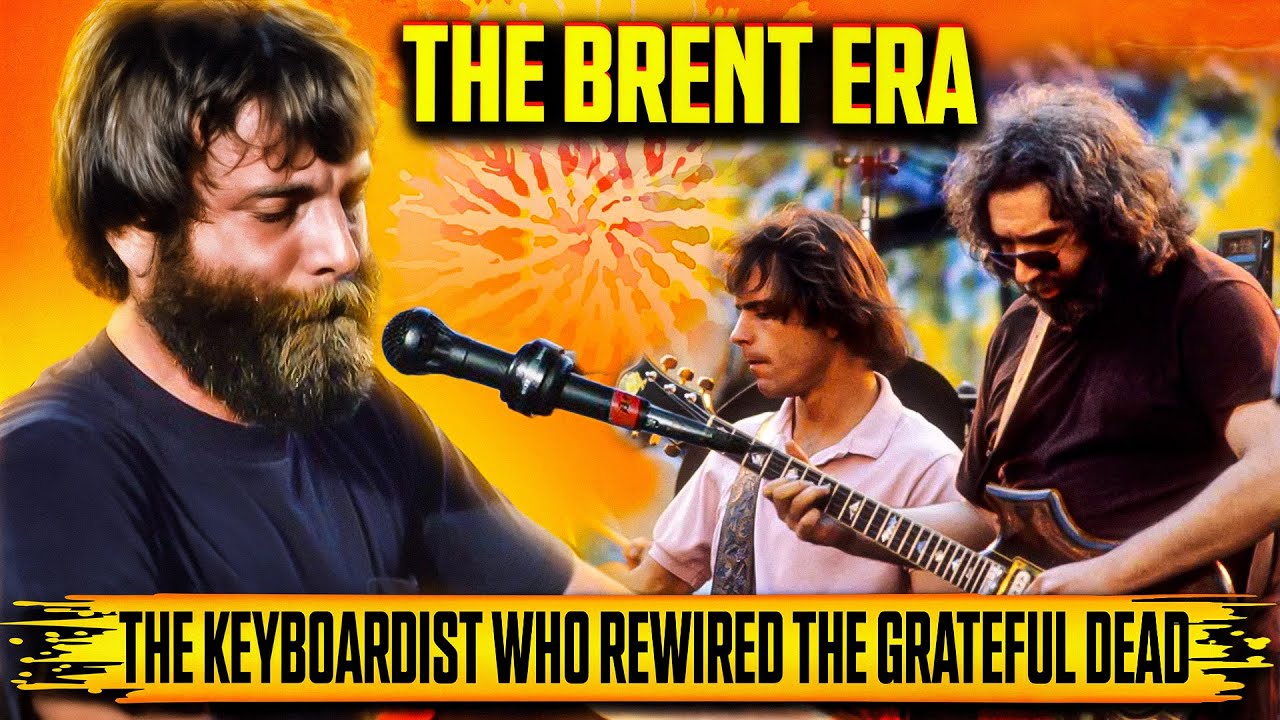
When Brent Mydland joined the Grateful Dead in April 1979, few anticipated what would actually unfold. Keith and Donna Godchaux had recently departed in February 1979, leaving a void at the keyboards that needed filling. To many observers, Mydland appeared to be simply a replacement—a competent musician hired to keep the instrumental chair occupied while the Dead continued on their path. He was young, relatively unknown, and would presumably maintain the status quo until something else changed.
But this narrative completely missed what Mydland would actually become. He didn’t just occupy a space. He transformed it. Brent Mydland didn’t simply continue what came before; he fundamentally reordered how the Grateful Dead’s sound worked, what possibilities existed within their music, and who the Dead could be as a band.
A Sound Reborn
The year 1979 was a pivotal moment for the Grateful Dead. The band’s sound needed evolution. The instrumental arrangements required fresh approaches. The keyboard role demanded not just technical proficiency but creative vision. Mydland brought all of this, but crucially, he brought something else: his own distinct voice.
Unlike previous keyboardists who had adapted to the Dead’s established sound patterns, Mydland brought influences from different musical traditions. His playing carried elements of soul, funk, and progressive rock—colors that hadn’t previously dominated the Dead’s instrumental palette. When Mydland’s hands moved across the keys, listeners immediately sensed something had shifted. The Dead sounded different. Not worse, not merely changed, but genuinely reborn.
Building the Band’s New Identity
The transformation wasn’t instantaneous, but it was unmistakable. Show by show, as Mydland became more comfortable with the band’s repertoire and the band became more comfortable with Mydland’s capabilities, something remarkable emerged. His keyboard work added depth to the jams, introduced new harmonic possibilities, and created spaces for the band to explore musical territory they hadn’t previously accessed.
Jerry Garcia recognized immediately that this wasn’t a fill-in situation. This was something more significant. Mydland’s presence changed how Garcia approached his own playing. The interplay between Garcia’s guitar and Mydland’s keyboards created a new dynamic that energized the entire band. The Grateful Dead of 1979 wasn’t the same Dead who had existed before Mydland’s arrival.
The Architecture of Gratitude
What made Mydland’s integration particularly successful was his willingness to be a true collaborator rather than merely a hired musician. He studied the band’s history, learned their vast repertoire, and understood the philosophical approach that defined how the Dead made music. The Dead had always believed that the best moments emerged from genuine collaboration, from musicians listening deeply to each other and responding in real time.
Mydland embodied this ethos. He listened as much as he played. He contributed without overwhelming. He added his voice to the collective sound rather than imposing his individual style. This balance—being distinctly himself while remaining part of something larger—became central to his success within the band.
The New Era Takes Shape
By 1980, the transformation was complete. The Grateful Dead had entered a new era, one that would sustain them through the 1980s and into the 1990s. Mydland wasn’t just keeping seats warm; he was actively reshaping the band’s sonic landscape. His contributions to songs both new and old created versions that felt fresh while respecting the Dead’s traditions.
The decision to bring Mydland into the band turned out to be one of the most consequential choices the Dead made. Where there could have been stagnation or decline, there was instead growth and renewal. The Dead’s sound didn’t become frozen in amber at some perfect moment in the past; it continued evolving, adapting, and incorporating new possibilities.
Legacy and Influence
Mydland remained with the Grateful Dead until his death in 1990, a tenure that spanned over a decade of continuous evolution and experimentation. In that time, he proved himself essential rather than supplementary. The Dead’s audience came to expect and anticipate his keyboard contributions. Songs without them felt incomplete. The band had become something different because of his presence, something that couldn’t be unmade or returned to an earlier state.
The story of Brent Mydland illustrates something fundamental about how truly great bands function. They don’t simply replace members with interchangeable components. When someone new arrives, they bring transformation. They bring possibilities. And if they’re right for the moment and the ensemble, they help the band become something it couldn’t have been without them.
Watch the full documentary on YouTube →
Subscribe to The Shakedown Archives for more Grateful Dead documentaries, and explore more stories at TheShakedownArchives.com.