Bruce Hornsby Tells a Funny Dead Head Story on Arsenio Hall
When a Deadhead’s Enthusiasm Got Him Evicted From the Show
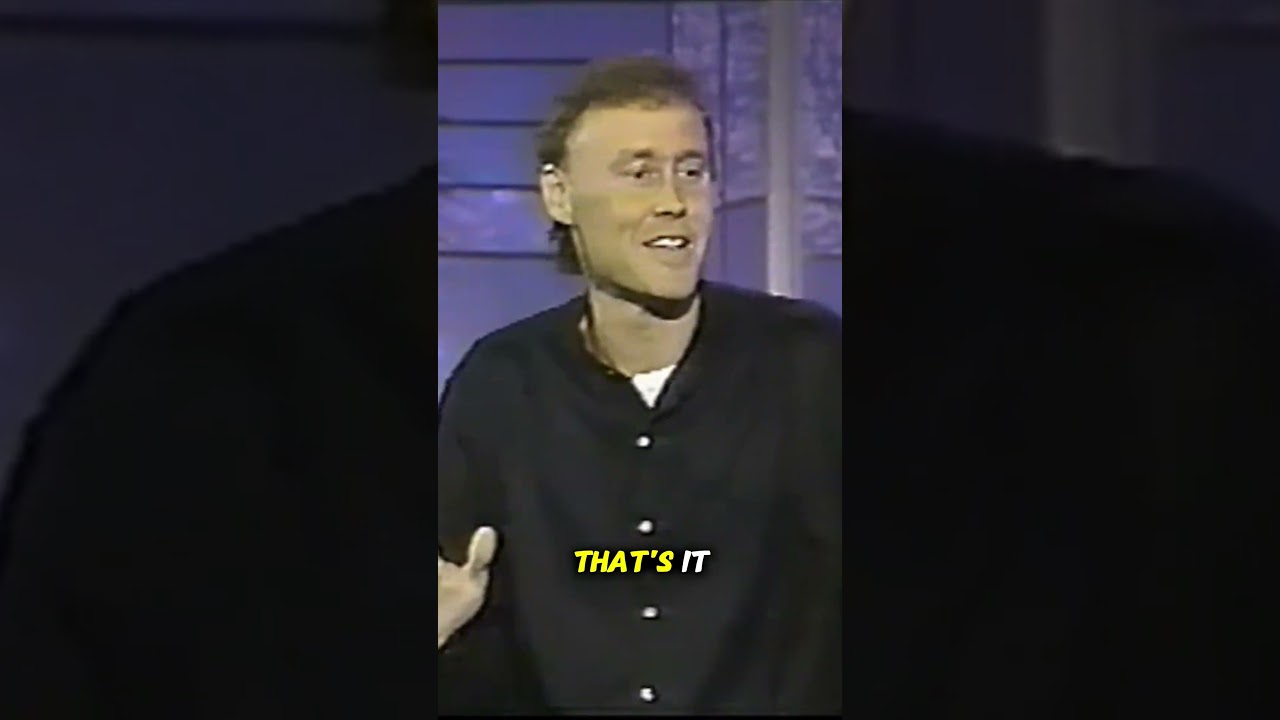
Bruce Hornsby, the accomplished pianist and keyboardist who toured extensively with the Grateful Dead during the early 1990s, once shared a genuinely hilarious and revealing anecdote on the Arsenio Hall Show about the intense, often physical expressions of devotion and enthusiasm that characterize Deadhead culture. The story, told with Hornsby’s characteristic humor and warmth, involved a fan, one of the band’s drummers, and an enthusiastic but ultimately problematic display of hand signals and physical gestures that went surprisingly and amusingly wrong.
According to Hornsby’s account, an enthusiastic Deadhead and devoted fan approached one of the band’s drummers—specifically Billy Kreutzmann—two nights into a concert run at what appears to have been a multi-night stand. The fan began enthusiastically demonstrating his appreciation and support for the band in a very specific, physically distinctive way. He was making a particular hand gesture, a specific gesture with his hands and fingers that, in standard American culture and social convention, is decidedly not considered a gesture of respect or compliment. In conventional American meaning, it’s generally interpreted as a negative, insulting, or dismissive gesture. The gesture itself was meant by the young fan as a sign of enthusiasm, excitement, and appreciation, but its conventional and widely understood meaning created an immediate and significant problem.
The Misunderstanding and Escalation
Billy Kreutzmann, the band’s talented and creative drummer, did not appreciate or welcome this particular physical expression of support and enthusiasm. Rather than dismiss it as a misunderstanding or youthful exuberance, Kreutzmann decided to take action. He summoned one of his personal road crew—described by Hornsby as a tattooed roadie with a significant physical presence and obvious authority—and sent him directly to personally evict this enthusiastic but problematic fan from the concert venue.
What unfolded next revealed the significant generational and cultural gap between the fan and the band’s security infrastructure. The Deadhead in question was a young man, barely 19 years old, still very much figuring out the unwritten codes and social conventions of Deadhead culture and concert etiquette. When confronted by the imposing roadie, he was genuinely confused, honestly bewildered about what exactly the problem was. From his perspective, he wasn’t trying to be disrespectful or create a problem—quite the opposite, actually. He was trying to express his genuine enthusiasm and belonging within the Deadhead community, his deep appreciation for what the band was doing on stage, his recognition that what was happening was excellent and meaningful.
The Roadie’s Explanation and the Generational Divide
The roadie’s explanation made the fundamental disconnect clear and explicit: “You’re flipping the bird. I mean, who wants that? Who wants to have that at their concert?” To the band, their drummer, and their professional security infrastructure, the gesture was straightforwardly an insult. To the teenage kid making the gesture, it meant something entirely different—it was his way of saying the band was awesome, that they were the best possible, that everything happening on stage was excellent and life-affirming and worth celebrating.
Hornsby, as the storyteller and observer of this cultural moment, recognized the deeper generational and linguistic shift that was at work in this misunderstanding. He pointed out that language and symbols evolve and transform across generations, that meanings get inverted and transformed over time in ways that confuse people from different generational cohorts. Long ago, he noted, “bad” became a slang term meaning actually “good”—a perfect historical example of how meaning gets completely inverted and transformed across different cultural moments and generations. Maybe, Hornsby suggested sympathetically, this kid’s hand gesture was itself a new kind of expression, a new generational way of showing affinity and appreciation within Deadhead culture.
The Deadhead Community’s Unwritten Boundaries
The story is genuinely funny on its surface, with real comedic elements that Hornsby plays expertly. But beneath the humor, it also captures something profoundly true about Deadhead culture and its complex unwritten codes of conduct. There are acceptable and unacceptable ways to express your enthusiasm and appreciation at a Dead show. There are social boundaries and expectations, even in a community that’s generally known for its looseness, inclusivity, and experimental approach to social norms. A young 19-year-old kid, genuinely trying his best to fit in and express his authentic excitement about the music and the community, inadvertently crossed a social line that he didn’t even know existed.
Hornsby’s telling of the story is notably sympathetic to the young fan, probably because Hornsby himself understood that generational misunderstanding and cultural code-switching. He recognizes the genuine confusion, the innocent mistake, the way young people trying to belong to a community can stumble into cultural violation without understanding what they’ve done. The anecdote becomes less about a fan being deliberately rude or disrespectful, and more about the genuine cultural complexity and unwritten rules of belonging to a community with its own internal logic, conventions, and expectations that aren’t always obvious to newcomers.
Watch the full documentary on YouTube →
Subscribe to The Shakedown Archives for more Grateful Dead documentaries, and explore more stories at TheShakedownArchives.com.