Grateful Dead and Fame: Has Success Spoiled The Grateful Dead? Jerry Garcia Band Interview
The Paradox of Success: Jerry Garcia on Fame and the Grateful Dead
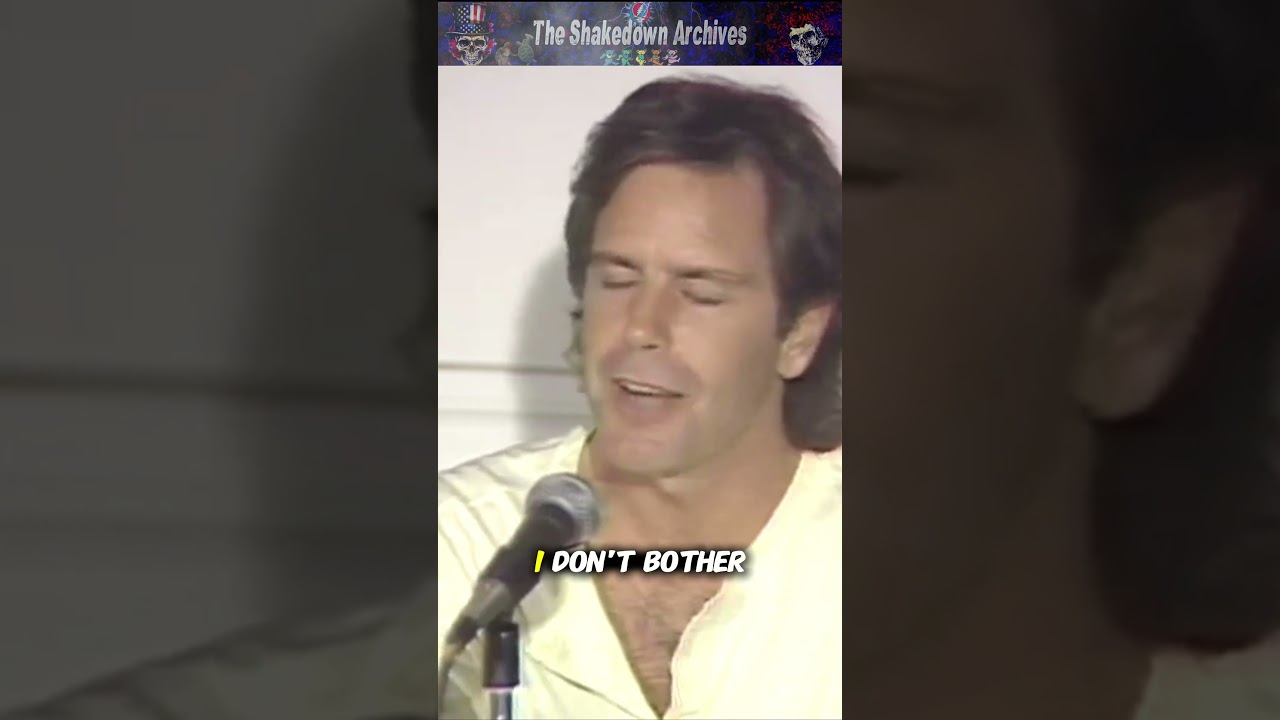
In a candid moment captured during an interview, Jerry Garcia reflected on one of rock and roll’s most persistent and uncomfortable questions: does success spoil artists and their creative integrity? His response was characteristically irreverent and tongue-in-cheek, but it masked a deeper meditation on how fame fundamentally changes perspective, priorities, and the texture of daily life. When asked directly how success had affected the Grateful Dead, Garcia quipped that his own success had indeed “spoiled the dead”—a paradoxical statement that demanded unpacking.
The humor concealed something profound about the band’s evolution and trajectory. As the Grateful Dead ascended from Bay Area curiosities and San Francisco psychedelic pioneers to one of America’s most legendary and revered acts, the nature of their work, their relationships with each other, and their daily experience of being alive and working musicians shifted in ways that were both subtle and profound. What had once been a scrappy, relentless, almost desperate pursuit of music and consciousness expansion transformed gradually into something that required different kinds of management, consideration, and negotiation. Success had layers, and not all of them were welcome ones.
Garcia’s reflection wasn’t resentful or bitter—his tone remained light and self-aware throughout. But there was an undercurrent of recognition that the institution of the Grateful Dead, once it became truly successful and celebrated, operated under different constraints than it had in its hungry early years. The band members had achieved what most musicians could only dream of, yet that achievement came with a cost that wasn’t always apparent to those outside the organization.
Small Changes, Larger Meaning
The most telling and memorable example Garcia offered was unexpectedly mundane and domestic, yet absolutely perfect for illustrating his larger point about how success reshapes priorities and decision-making. When opening pistachios—those notoriously difficult nuts with hard shells that require real patience, hand strength, and determination to crack—he no longer bothered with the difficult ones. Why waste precious time and energy on something that demands real work and effort when you can simply move on to easier choices? Why struggle when you have options?
This casual, almost throwaway observation spoke volumes about how success and abundance fundamentally alter the calculus of daily life. When you’re at the top of your profession, when you have resources and momentum and the luxury of choice, you can afford to skip the hard paths. You can pick and choose. You have options that struggling musicians don’t have. You can afford to be selective. But that freedom and those options came with an implicit trade-off and a cost: the kind of grinding, relentless, take-everything-on determination and resilience that had built the Grateful Dead’s legendary reputation and skill gradually eroded into something more selective, more careful, and arguably less hungry.
The pistachio example captures this shift perfectly. A young, hungry musician takes on every challenge, cracks every shell, wastes nothing. A successful musician can afford to be choosy. But in that choosiness lies something lost—the character-building struggle, the forced ingenuity that comes from having to work with what you have, the discipline that scarcity demands. Success had made the Dead’s lives easier and more comfortable in material ways, but it had also potentially made them softer in ways that mattered to their creative core.
The Cost of Reaching the Top
Garcia wasn’t complaining or expressing regret—his tone throughout remained self-aware and tinged with humor. But the underlying current of his reflection was serious and philosophical. Success had changed how the band operated, what they could demand of themselves, what compromises they would accept in the name of professional obligations and contracts. The Grateful Dead that emerged from their rise to fame and cultural prominence wasn’t simply the original Grateful Dead with more money, more resources, bigger venues, and better equipment. It was a fundamentally different creature, reshaped and reformed by the pressures, expectations, and possibilities of their own legend.
This transformation was neither good nor bad—it was simply inevitable. Success has always changed the artists it touches. The question that Garcia’s reflection raised, without ever quite stating it directly, was what had been lost in the process of gaining so much. Had the struggle been essential to what made them great? Now that they’d achieved the success that validates an artist’s entire career and life’s work, could they maintain the hunger and freshness that had defined their early work?
Legacy and the Question of Authenticity
Garcia’s meditation on success remains profoundly relevant decades later, long after his death and long after the Grateful Dead phenomenon has extended far beyond anything that could have been predicted in the era when he was actually performing. His reflection captures a universal and eternal truth about artistic success: the very forces that propel a band toward greatness and achievement also fundamentally alter them in ways both tangible and invisible. Success is never simply additive—it doesn’t just add achievements and recognition to what was there before. Instead, it reconfigures everything it touches, changing relationships, pressures, creative processes, and personal dynamics in ways both obvious and deeply subtle.
Watch the full documentary on YouTube →
Subscribe to The Shakedown Archives for more Grateful Dead documentaries, and explore more stories at TheShakedownArchives.com.