Grateful Dead at MIT: The Amazing Untold Story of Their 1970 Free Concert
The MIT Concert That Never Was (But Happened Anyway)
Everyone thinks they know the story of the Grateful Dead’s famous free concert at MIT in May of 1970. The narrative is widely known, regularly repeated, and deeply embedded in Grateful Dead history and popular culture. According to this familiar version, the Kent State shootings occurred on May 4th, 1970, shocking the American nation and outraging students on campuses everywhere. A student died. National Guard troops opened fire. The immediate aftermath was massive student protests and civil unrest across America. The Grateful Dead, moved profoundly by this tragedy and the nationwide student uprising that followed in its wake, generously showed up at MIT to play a free benefit concert in solidarity with grieving and angry students. It was a beautiful moment—music and activism meeting together, a legendary band using their cultural platform and musical power to support students in their moment of acute grief, rage, and political awakening.
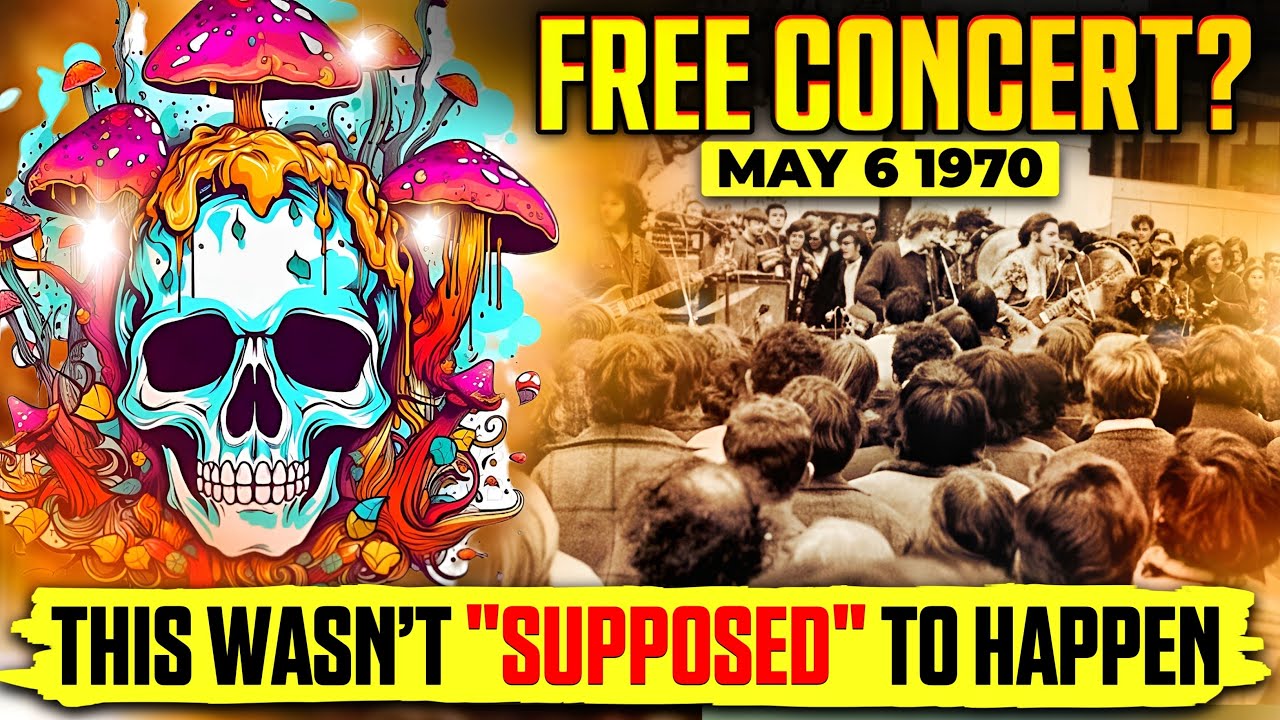
But here’s the critical problem with this standard narrative: it didn’t happen that way, and the true story is far stranger and more illuminating than the widely accepted legend. The reality starts with a very specific detail that’s published and documented in the Tech, MIT’s official student newspaper. On the actual day in question, the published newspaper schedule for campus events included a notably explicit statement: “2 p.m., there will not be a free concert by the Grateful Dead today.” The newspaper wasn’t vaguely suggesting that a concert might not happen. It explicitly stated with clarity that there would not be a concert by the Grateful Dead at the scheduled time.
The Mystery of the Impromptu Performance
So if there wasn’t supposed to be an official concert, if the newspaper explicitly said one would not occur, how did over a thousand people somehow end up gathering on the student center steps watching Jerry Garcia and the band deliver an impromptu musical set? How did this non-existent, officially-cancelled concert become one of the most celebrated and legendary moments in Grateful Dead history and in MIT student lore? And why does almost everyone—including serious Grateful Dead fans and music historians—continue telling the activist protest story when the actual documented historical record tells a completely different and more interesting tale?
The answer involves significantly less planning and deliberate coordination, and significantly more spontaneity and accident, than the protest-concert narrative suggests. The Dead didn’t arrive at MIT as a coordinated, strategically planned activist gesture or political statement. Something else happened entirely—something less intentional in a conventional sense but arguably more authentically aligned with the band’s actual ethos of spontaneity and improvisation. The false narrative—that they came deliberately as a unified response to Kent State and student grief—has become so firmly entrenched in popular memory that it has successfully overshadowed the actual, more complex, more interesting sequence of events.
What Really Happened
The actual reality of that day involved elements of happenstance, spontaneous student initiative, genuine community response, and the Dead’s fundamental willingness and ability to simply show up and play music when circumstances called for it. Without the careful, coordinated advance planning and publicity that the protest-concert narrative suggests must have preceded the event, a thousand students somehow gathered, expecting nothing in particular, and the band delivered an impromptu, unrehearsed performance that became instant legend. There was no formal contractual agreement in advance. There was no scheduled, publicized appearance in the traditional sense. No grand gesture of coordinated activism with a predetermined statement. Just music emerging unexpectedly and organically in a moment of genuine national crisis and student concern.
This version of events is significantly less tidy and neat than the protest-concert narrative. It doesn’t fit as comfortably into the framework of deliberate activism, coordinated response, and strategic cultural messaging. But it’s more honest and historically accurate, and it reveals something far more interesting and important about both the band and the historical moment. The Dead didn’t need to arrive with a predetermined, carefully crafted activist statement. Their mere presence and their willingness to play and create music together was statement enough. The act itself conveyed everything that needed to be conveyed.
Why Legends Trump Facts
The persistence of the false protest-concert narrative across decades speaks volumes about how historical memory and collective mythology actually work in practice. A cleaner, more coherent story—the nationally famous band deliberately responding to national tragedy with an activist concert—is emotionally satisfying and easier to remember and retell than the more complex and messy reality of an unplanned, spontaneous performance that emerged from genuine community initiative. The Kent State connection provides clear moral clarity, straightforward historical coherence, and an easy-to-understand cause-and-effect relationship between national events and artistic response. But in providing that kind of clarity and coherence, it erases something more authentic and more genuinely interesting about the event: the spontaneity, the accident, the organic nature of what actually happened.
The MIT concert remains one of the most meaningful and significant Grateful Dead moments in the band’s long history, but not because it was a carefully coordinated response to national tragedy. It matters because it happened despite the lack of formal coordination, because it emerged from the genuine desire of students and musicians to gather together and share music and community in a moment of profound national upheaval and concern. That’s actually a more powerful and authentic story than the one that popular memory has constructed.
Watch the full documentary on YouTube →
Subscribe to The Shakedown Archives for more Grateful Dead documentaries, and explore more stories at TheShakedownArchives.com.