The Grateful Dead’s Most Debated 20 Minutes
For seventeen years, the Grateful Dead stopped playing songs for twenty minutes every night. Mickey Hart, Bill Kreutzmann, custom instruments, and the ritual that came back to the Sphere in 2024.

Mickey Hart (born 1943) was the Grateful Dead’s second drummer, joining in 1967 and forming the Rhythm Devils duo with Bill Kreutzmann. An ethnomusicologist as much as a drummer, Hart’s interest in world percussion reshaped how the Dead approached rhythm — the Drums segment of every show from 1977 forward was largely his creation. After the Dead, he has continued recording world-music projects and writing about the anthropology of rhythm. Articles cover his drumming, his writing, and his role as the Dead’s resident theorist of percussion.
For seventeen years, the Grateful Dead stopped playing songs for twenty minutes every night. Mickey Hart, Bill Kreutzmann, custom instruments, and the ritual that came back to the Sphere in 2024.
A Drummer’s Spiritual Quest Mickey Hart came to Indian classical music not through academic study but through a kind of spiritual hunger. In the late 1960s, as he was establishing himself as the Grateful Dead’s drummer, Hart began to explore percussion traditions from around the world. He wasn’t looking for exotic sounds to add to…
A Band at a Crossroads By the summer of 1968, the Grateful Dead faced a fundamental question about their musical identity. What had begun as a blues rock outfit with Pigpen as the dynamic frontman—delivering R&B covers and marathon versions of “Turn on Your Love Light”—was transforming into something entirely different. Jerry Garcia and Phil…
The Woman Behind the Summer Anthem Everyone knows “Sugar Magnolia.” It’s the sing-along at every Dead show, the summer anthem, Bob Weir bouncing across the stage while thousands of fans sing along: “She’s got everything delightful, she’s got everything I need.” But most people don’t know the woman who inspired that song—Frankie Azzara, a former…
Two Bands, Two Philosophies, One Festival That Changed Everything Monterey Pop Festival, June 1967. The Grateful Dead took the stage right after The Who destroyed their instruments, and just before Jimi Hendrix set his own guitar on fire. Phil Lesh later called their set terrible. Jerry Garcia said they got erased. What most people don’t…
A Drummer’s Tribute Mickey Hart was the keeper of rhythm in the Grateful Dead—the percussionist who brought Indian classical influences, world music traditions, and an almost shamanic approach to the drums into the band’s sound. Throughout five decades of touring and recording, Hart was the backbone, the anchor point from which the band’s collective explorations…
Tiger Rose: A Collaboration Born Under Pressure In 1974, Robert Hunter recorded an album called Tiger Rose at Mickey Hart’s barn in Novato with Jerry Garcia, John Kahn, and the entire Grateful Dead family contributing to the sessions. This was different from Hunter’s work with the Dead—it was his solo project, built from the ground…
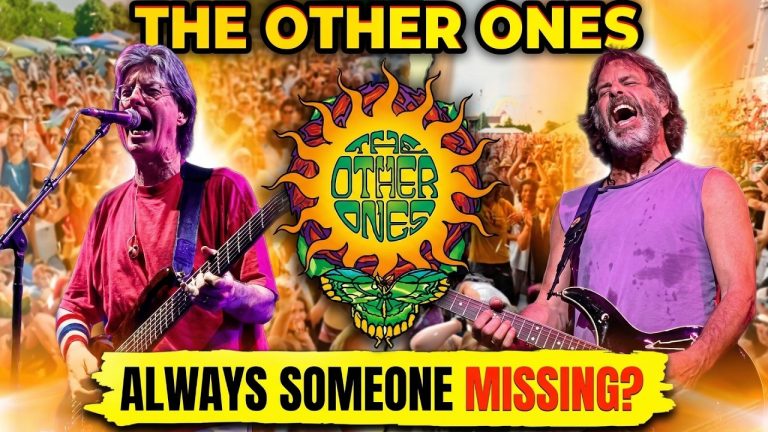
After Jerry Garcia died in 1995, it took seven years and multiple false starts before all four surviving core members of the Grateful Dead played together again. The Other Ones wasn’t a triumphant resurrection — it was four years of grief work in public.
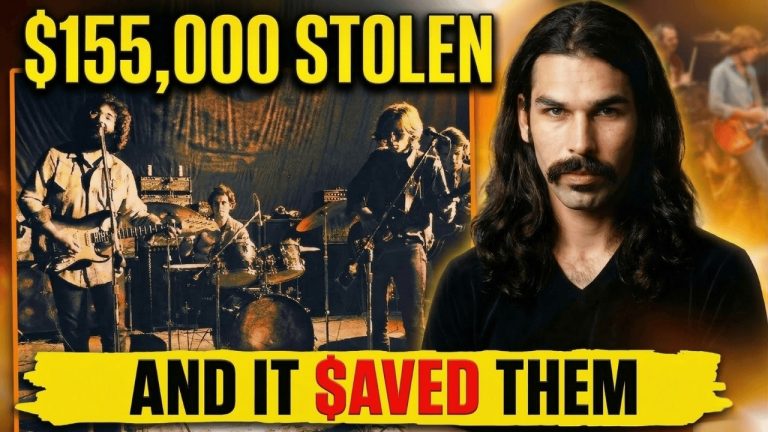
In 1970, Lenny Hart — Mickey’s father, a self-proclaimed reverend — stole up to $350,000 from the Grateful Dead after literally swearing on a Bible he wouldn’t rip them off. The betrayal cost Mickey his seat in the band for three and a half years and reshaped the Dead’s sound, management, and identity.
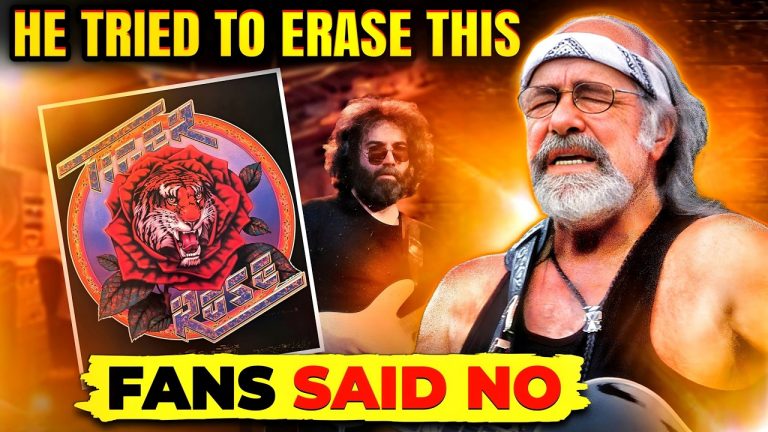
Robert Hunter occupies a unique position in the history of the Grateful Dead. Unlike Jerry Garcia, who was universally recognized as the band’s founder and primary musical voice, or Phil Lesh, whose bass lines were audible signatures of the Dead’s sound, Hunter worked largely behind the scenes. He was the primary lyricist for the Grateful…
© 2026 The Shakedown Archives. Editorial research and commentary. Sources cited per article.