The Grateful Dead’s Keyboard Chair Was Designed to Kill
The bizarre and deadly history behind the Grateful Dead’s infamous keyboard chair — an unlikely piece of band lore that nearly cost someone their life.

Ron ‘Pigpen’ McKernan (1945–1973) was the Grateful Dead’s original frontman — a blues-rooted singer, harmonica player, and keyboardist who shaped the band’s earliest identity. Before Garcia emerged as the band’s primary voice, Pigpen was the voice, channeling Howlin’ Wolf and Lightnin’ Hopkins into extended blues workouts that could run twenty minutes. His death in 1973 from liver failure began the Dead’s long sequence of keyboard player losses. Articles cover his musical contributions, his sobriety within an acid band, and the myth versus the reality of who Pigpen actually was.
The bizarre and deadly history behind the Grateful Dead’s infamous keyboard chair — an unlikely piece of band lore that nearly cost someone their life.
Pigpen McKernan was being pushed out of his own band while Led Zeppelin fled the room he was in. What happened at Herb Greene’s studio in January 1969 reveals the two philosophies of rock — and which one survived.
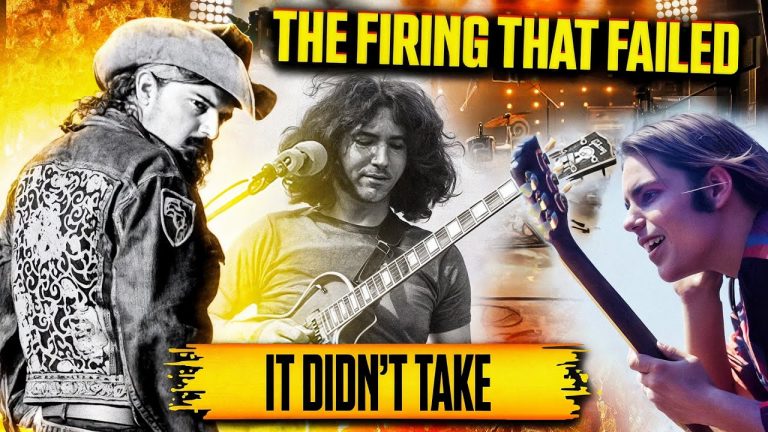
A Band at a Crossroads By the summer of 1968, the Grateful Dead faced a fundamental question about their musical identity. What had begun as a blues rock outfit with Pigpen as the dynamic frontman—delivering R&B covers and marathon versions of “Turn on Your Love Light”—was transforming into something entirely different. Jerry Garcia and Phil…
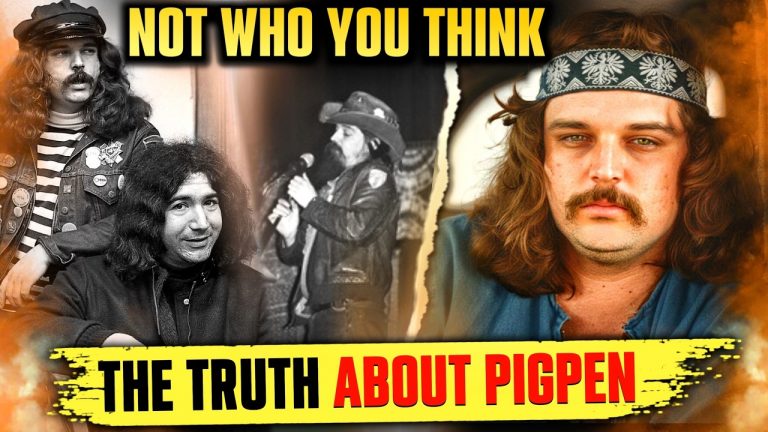
The Myth of Pigpen Ron McKernan, known as Pigpen, has become folklore in Grateful Dead lore: the hard-drinking bluesman biker with a Hell’s Angels swagger who burned bright and died young at 27. The image endures—a pirate of a musician, rough around the edges, the embodiment of rock and roll excess. This myth contains elements…
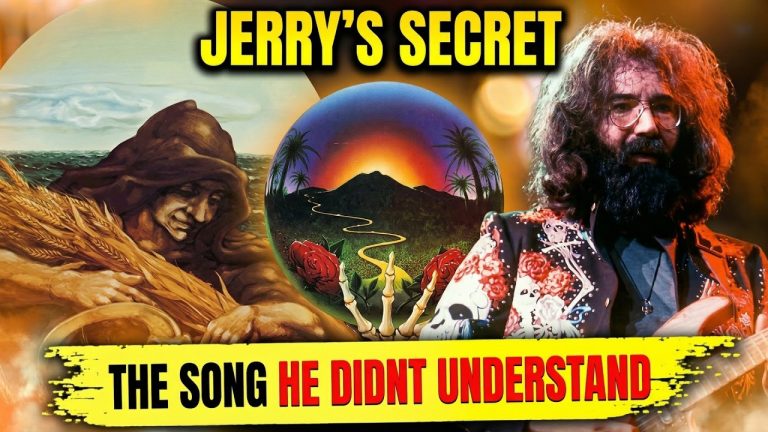
Stella Blue was born from Robert Hunter’s 1969 acid nightmare and debuted at Pigpen’s last show. Garcia performed it 328 times before he understood it.
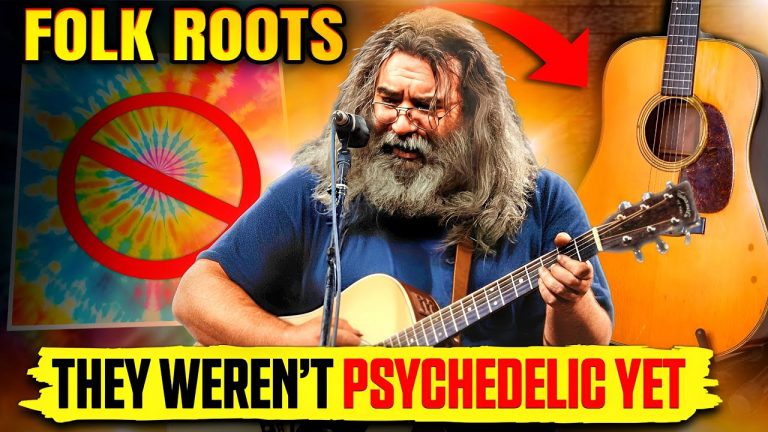
The Grateful Dead did not emerge fully formed from the San Francisco psychedelic scene of the mid-1960s. Long before they played the Fillmore, long before the Acid Tests and Ken Kesey’s Pranksters, the band members were steeped in a distinctly American musical tradition: folk music, bluegrass, and jug band blues. This foundation shaped everything the…
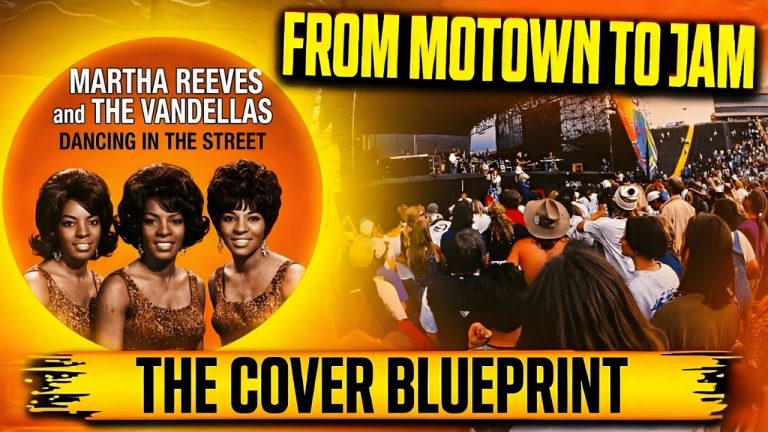
The Grateful Dead’s relationship with “Dancing in the Street” spans two decades and encapsulates something fundamental about how they approached music itself. It’s not just the story of a cover song; it’s the story of how a rock and roll band learned to think like jazz musicians by studying the language of Motown and R&B….
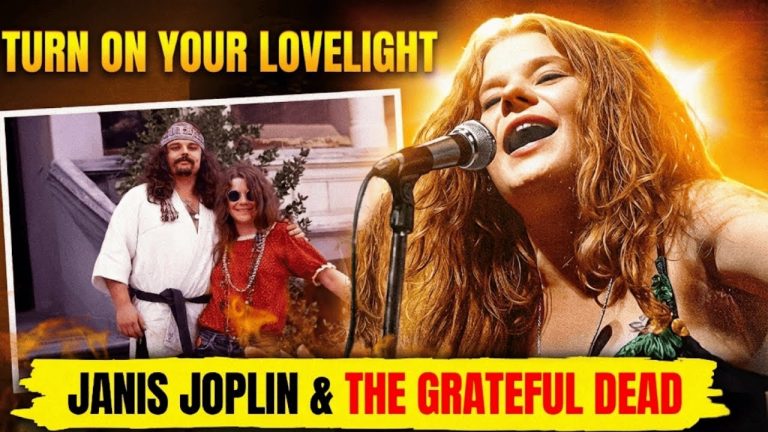
The Grateful Dead existed at the center of San Francisco’s psychedelic revolution, but their deepest friendships were often rooted in something older and earthier than LSD—the blues. Nowhere is this more evident than in the relationship between the Dead and Janis Joplin, the white girl from Port Arthur, Texas, who became the defining voice of…
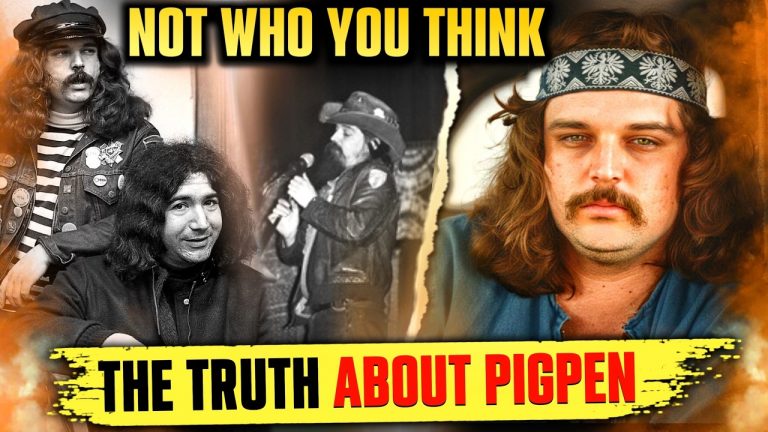
Pigpen wasn’t the Dead’s drunk blues singer who got left behind. He was the band’s original leader — and his role was far more important than the myth suggests.
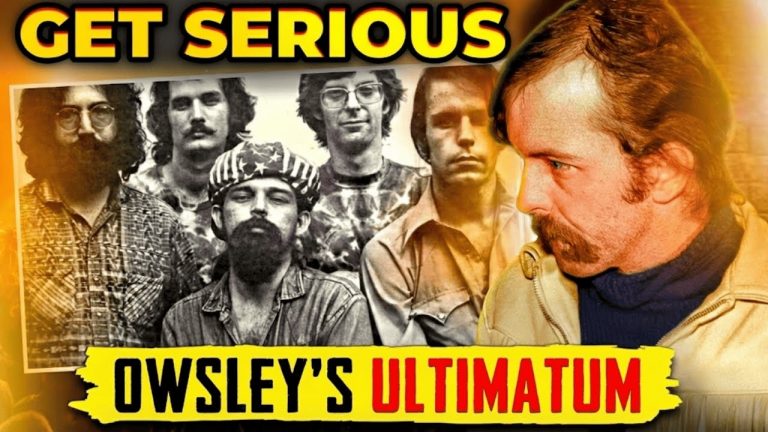
In 1970, Owsley Stanley threatened to walk away from the Grateful Dead unless they got their act together. The confrontation nearly destroyed the band.
© 2026 The Shakedown Archives. Editorial research and commentary. Sources cited per article.