The Grateful Dead’s Indian Classical Secret
A Musical Discovery That Shaped Everything
For decades, few people understood that Indian classical music fundamentally shaped the Grateful Dead’s approach to improvisation. The band’s exploration of ragas and North Indian classical traditions created the theoretical foundation for their free-form jamming that would become their signature. What started as a passionate listening habit turned into a musical philosophy that influenced how the band understood rhythm, melody, and the sacred nature of collaborative performance.
The Gateway to Infinite Possibility
North Indian classical music introduced the band members to structures that allowed seemingly endless variations within a rigorous framework. The raga system—with its use of odd time signatures and microtonal scales—opened doors to what the musicians could attempt on their instruments. Rabi Shankar and other Indian classical masters became models for how musicians could explore a single musical idea across thirty minutes or more, building intensity and creating narratives without Western verse-chorus song structure.
Learning to Listen
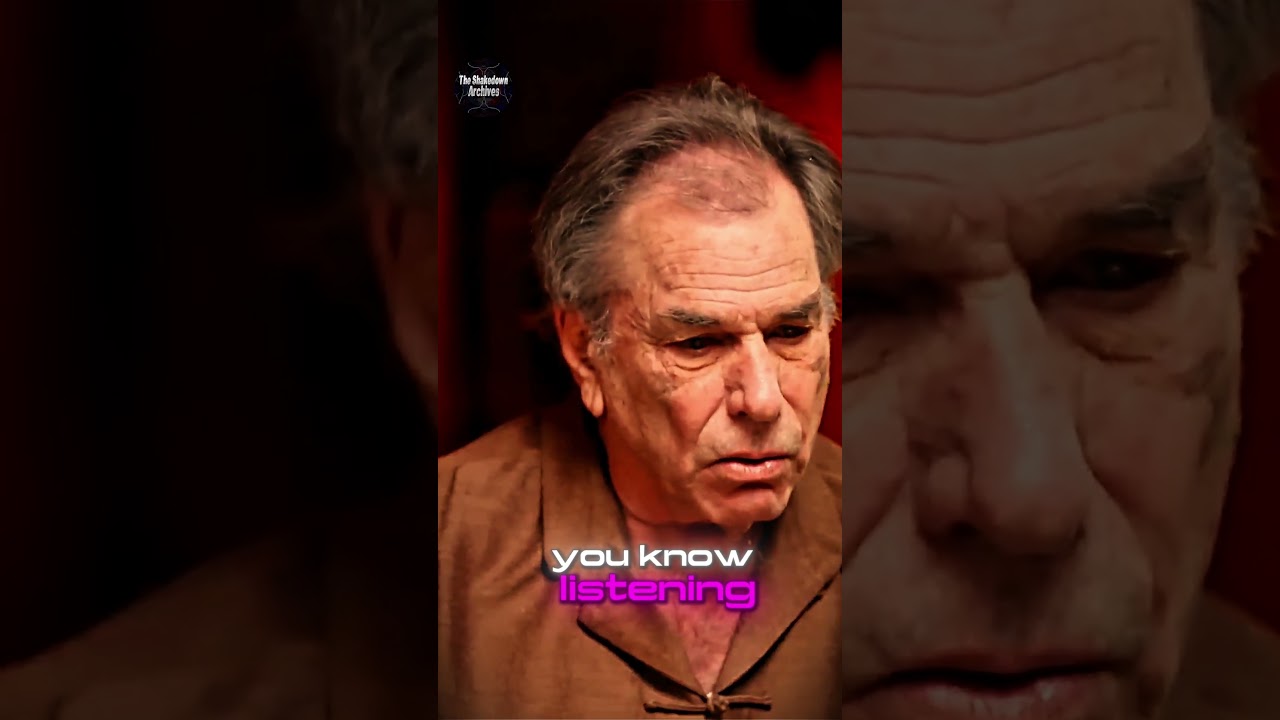
What truly mattered wasn’t just the music itself, but how the musicians learned to listen to each other. The importance of listening—truly listening—became the foundation of everything the Grateful Dead would become. When you play with someone, really listening to them and responding and trying to make them feel good, comfortable, in the groove as they said, that’s where the real music lives. This principle of deep attentiveness to your bandmates’ intentions and musical directions couldn’t have been more important to their development.
The Odd Signatures That Freed Them
Indian classical music’s odd time signatures—seven, nine, eleven beats instead of the standard four—worked their way into the Dead’s improvisations. These rhythmic structures gave the band permission to think beyond conventional rock time signatures. Once you’ve heard and played in seven-beat cycles, returning to four-beat patterns feels restrictive. The musicians began to experiment with polyrhythms and shifting meters that would become hallmarks of their extended improvisations.
A Passion That Ran Deep
Indigenous Indian music with all its odd things—its microtones, its complex rhythmic relationships, its emphasis on emotional expression over technical display—became a passion for the band members. This wasn’t casual listening. This was a commitment to understanding a completely different approach to music-making, one that emphasized ensemble understanding over individual ego. The Dead absorbed these lessons and carried them forward into every show for the next five decades.
The Legacy of Cross-Cultural Learning
The Grateful Dead’s engagement with Indian classical music demonstrates something fundamental about great musicians: the willingness to learn from traditions outside their own. By approaching music with genuine curiosity and respect for unfamiliar forms, they expanded not just their technical vocabulary but their entire conception of what a rock band could be. The love affair with Indian classical tradition helped create one of the most distinctive sounds in American music history.
Watch the full documentary on YouTube →
Subscribe to The Shakedown Archives for more Grateful Dead documentaries, and explore more stories at TheShakedownArchives.com.