The Night Jerry Garcia Sat In With Ornette Coleman — And What It Tells Us About 1967
Jerry Garcia’s One-Night Jazz Experiment That Nobody Expected
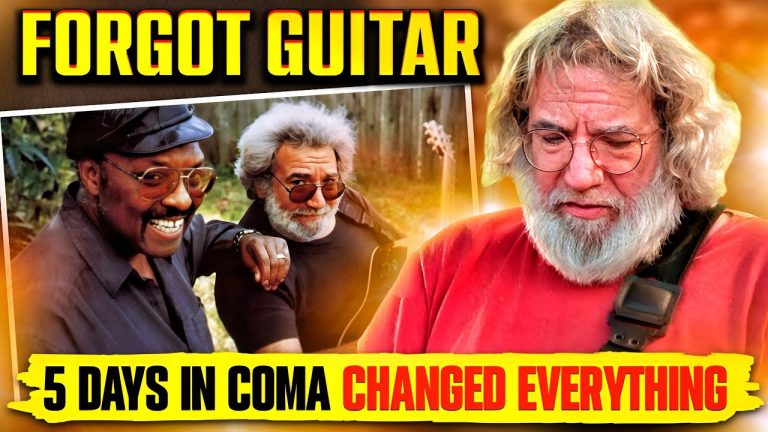
Jerry Garcia sat in with free jazz pioneer Ornette Coleman at the Matrix in San Francisco sometime in late 1967 — a musical collision that shouldn’t have worked but revealed everything about how Garcia actually listened. While most Dead histories focus on the Acid Tests or jump straight to American Beauty, this session shows Garcia in his element: studying, absorbing, and translating other traditions into what would become the Dead’s improvisational language.
What Actually Happened on Those Lost Tapes
Garcia Wasn’t Playing Jazz — He Was Learning How to Listen
The surviving audience recordings from that night capture something most people miss when they hear about Garcia “playing jazz.” Garcia wasn’t trying to be Wes Montgomery or even attempting bebop phrasing. He was doing what he did best — finding melodic threads and following them wherever they led, even when Coleman’s harmolodic approach threw conventional chord changes out the window.
The Sound That Predicted 1972-1974
Listen to how Garcia responds to Coleman’s angular lines and you’ll hear the blueprint for what the Dead would perfect five years later. The patient development, the willingness to sit inside uncomfortable harmonic spaces, the way he’d let silence do the work — it’s all there. This wasn’t a publicity stunt or a one-off experiment. Garcia was actively studying how improvisation worked outside rock music.
Why Dead Historians Skip This Period Entirely
The Missing Years Between Acid Tests and Workingman’s Dead
Most Grateful Dead biographies treat 1967-1969 like Garcia spent those years locked in a practice room. They’ll mention the attempted firing of Bob Weir or the Europe ’72 sessions, but they ignore dozens of collaborations that shaped Garcia’s approach to group improvisation. The Coleman session wasn’t isolated — it was part of a systematic education.
Garcia’s Real University: Every Stage in the Bay Area
Between 1966 and 1969, Garcia sat in with Indian classical musicians, bluegrass pickers, avant-garde composers, and jazz legends. Each session left fingerprints on what the Dead would become. The same curiosity that led him to study Indian classical music with Mickey Hart brought him to that Matrix stage with Coleman.
What Coleman Taught Garcia About Group Improvisation
Harmolodics Meets the Dead’s Collective Unconscious
Coleman’s harmolodic theory — where melody, harmony, and rhythm operate as equal partners rather than melody serving harmony — gave Garcia a framework for what the Dead were already stumbling toward. When you hear “Dark Star” stretch into 40-minute explorations by 1972, you’re hearing Garcia apply lessons learned in that Matrix basement.
The Democracy of Sound
Coleman didn’t believe in fixed roles — any instrument could play melody, bass lines, or harmonic support. Garcia brought this concept back to the Dead, where it evolved into their most distinctive feature: the ability for any member to lead or follow depending on where the music needed to go. Phil Lesh’s melodic bass runs, Bob Weir’s rhythmic chord work, Bill Kreutzmann and Mickey Hart’s conversational drumming — it all traces back to Garcia’s education in musical democracy.
The Bigger Pattern: Garcia’s Systematic Study of American Music
The Coleman session fits into a larger project Garcia was pursuing throughout the late ’60s: understanding how different American musical traditions approached collective improvisation. From bluegrass to free jazz to world music collaborations, Garcia was building a vocabulary that would serve the Dead for the next 30 years.
This wasn’t casual jamming — it was research. And it explains why the Dead’s improvisational approach remained unique in rock music. Garcia wasn’t just playing longer solos. He was applying principles learned from some of the most innovative musicians of the 20th century.
Watch the full video exploring Garcia’s overlooked musical education on our YouTube channel: [YouTube video URL]