The Real Story Behind ‘Casey Jones’ – Grateful Dead’s Cautionary Tale
From Railroad Hero to Drug Cautionary
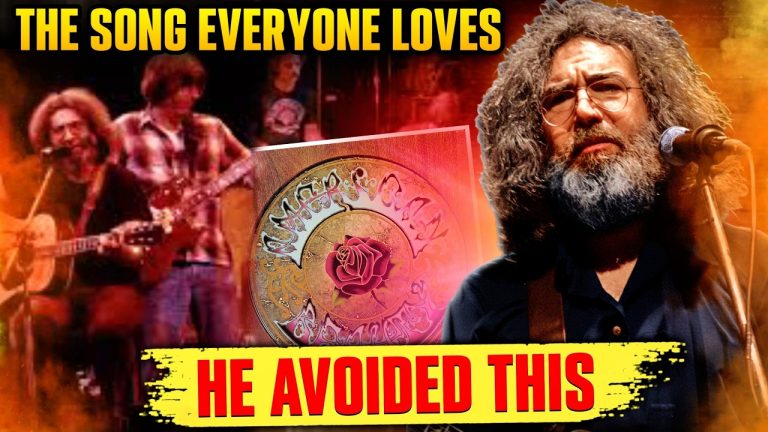
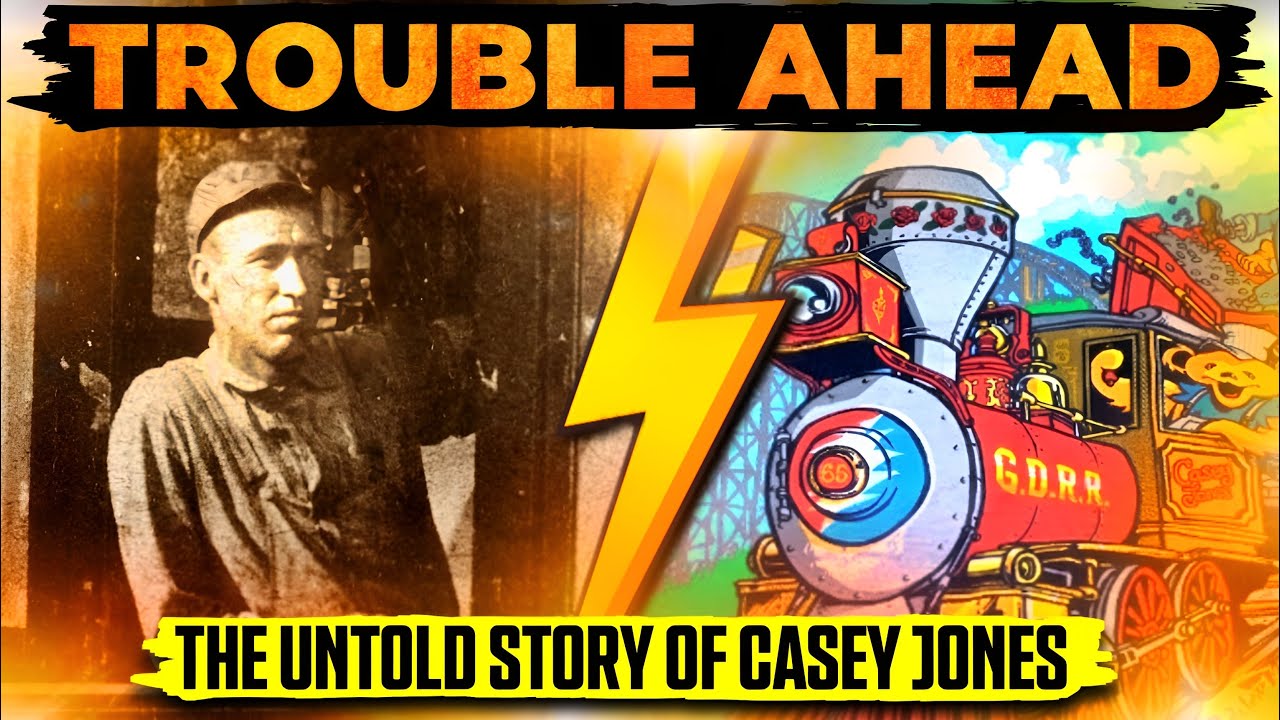
On April 30th, 1900, a railroad engineer named John Luther Jones saw disaster ahead. His passenger train was barreling toward a stalled freight train near Vaughn, Mississippi, and there wasn’t enough track to stop. Jones told his fireman to jump, stayed at the controls, and slowed the locomotive just enough to save every passenger. He was the only casualty. Within weeks, he became a folk hero—the brave engineer who gave his life for others. Sixty-nine years later, the Grateful Dead transformed that story into one of their catchiest songs, except their Casey Jones wasn’t a sober hero. He was high on cocaine, speeding toward his own destruction. A song meant as a warning became the anthem that made an entire generation reach for their vials.
The real Casey Jones entered American folklore through work songs and ballads passed between railroad men. By the early 1900s, dozens of versions existed, each celebrating his sacrifice. They were living pieces of oral tradition, sung by people who understood what Jones had done. Robert Hunter, who grew up immersed in American folklore, studied work songs and understood how folk music carried warnings disguised as stories.
The Fusion of Two Traditions
In late 1968, Hunter was living with Jerry Garcia in Larkspur, California. Garcia practiced guitar downstairs while Hunter wrote continuously upstairs, filling notebooks with fragments. One day, Hunter scribbled a line that fused two American traditions: “Driving that train, high on cocaine. Casey Jones, you better watch your speed.” He had merged the Casey Jones ballad with cocaine songs—two separate folk genres. As Hunter later said, they thought it would be fun to combine these traditional ideas into one song. But what most people miss is this: by replacing the sober hero with a drug user speeding toward disaster, Hunter wasn’t celebrating anything. He was writing a warning for a new generation.
Hunter wrote the line in a notebook and moved on. Weeks later, he realized it would make a perfect hook. When he showed Garcia the completed lyrics, something remarkable happened. Garcia later told Rolling Stone the words were so exquisite that he just sat down, picked up a guitar, and the song came out in one sitting. The entire melody happened in minutes.
The Sound of Danger
Garcia built the song around a catchy two-chord groove that felt simultaneously familiar and fresh. The tone was deliberate. He called it “a musical picture of what cocaine is like—a little bit evil and hard-edged with that sing-songy thing.” The upbeat melody made the dark lyrics hit harder: “Trouble ahead, trouble behind, and you know that notion just crossed my mind.” This wasn’t celebration. It was danger wrapped in a groove.
The Grateful Dead first played it on June 20th, 1969, at the Fillmore East. Early versions featured long jam intros that stretched for minutes before vocals, the band in full psychedelic mode. But by early 1970, they were exhausted with endless jams and chaotic shows. In February 1970, they entered Pacific High Recording to make Workingman’s Dead, an album emphasizing Americana songcraft over psychedelic excess. For “Casey Jones,” that meant dropping the jam intro entirely. The studio version launched straight into the groove: tight, punchy, radio-ready. It hit like a freight train.
The Warning Nobody Heard
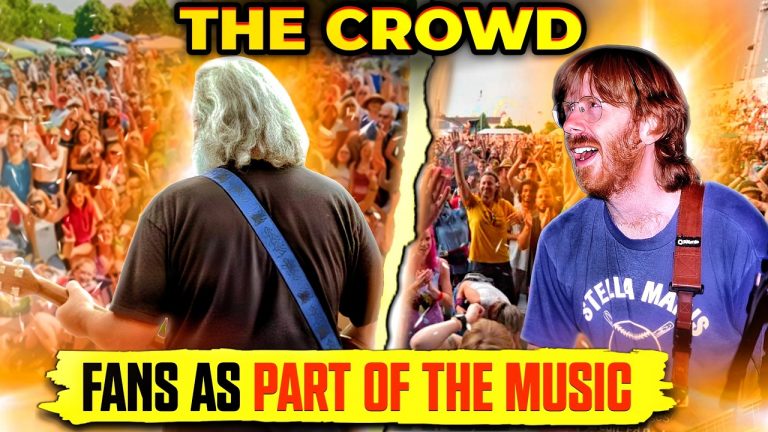
When Workingman’s Dead dropped in June 1970, radio stations started spinning “Casey Jones.” Then some literally scratched the track off the album. David Gans, a Deadhead DJ, recalled seeing copies with scratches across “Casey Jones” so it couldn’t be played. Station managers heard “high on cocaine” and assumed the band was promoting drugs. They completely missed the point. But here’s the deeper irony: Deadheads made the exact same mistake. Despite lines like “better watch your speed” and “you’d be better off dead” that make cocaine sound anything but fun, live show audiences still celebrated and reached for their vials. The warning had become a party anthem.
Through the early ’70s, the band kept refining it—faster, harder, tighter. By 1974, it was a three-minute punch of pure energy. Then, in the mid-’80s, they just stopped playing it. After 1984, maybe once a year, sometimes not at all. Were they uncomfortable with how audiences embraced a warning as a celebration? Or just tired of being called a drug band?
The Disappearing Warning
For thirty years, “Casey Jones” vanished. Garcia died on August 9th, 1995, at 53. The Grateful Dead disbanded. But in June 2015, surviving members reunited for Fare Thee Well concerts celebrating their 50th anniversary. On June 27th at Levi’s Stadium, they brought “Casey Jones” back. Forty-six years after its debut, the song returned. The audience sang every word—still missing that it was supposed to be a warning.
And here’s where it gets fascinating. In May 2025, Bob Weir told The Guardian something shocking. He said after a year of LSD, it wasn’t bringing clarity, so he stepped away. Drugs didn’t have much to do with their development. The band celebrated for acid-fueled jams was quietly writing warnings about drugs—and the members supposedly living for psychedelic exploration were stepping away from it.
The Legend That Refused Understanding
A sober folk hero became a cocaine cautionary figure. A warning became an anthem. A band spent 50 years trying to tell people that wasn’t the point. The original Casey Jones saved lives by refusing to jump. Hunter’s Casey Jones speeds toward disaster because he can’t stop. One celebrates heroic sacrifice. The other warns against reckless destruction. Both became legends. Both were completely misunderstood. The ballads turned a train engineer into a symbol of duty. The Grateful Dead turned that symbol into a mirror—showing their generation what happens when you lose control.
“Trouble ahead, trouble behind.” The warning was always there, hidden in plain sight, buried under a groove so catchy you could sing along and miss the entire point. Nobody was listening, but the song kept playing anyway, generation after generation, still failing to deliver its message.
Watch the full documentary on YouTube →
Subscribe to The Shakedown Archives for more Grateful Dead documentaries, and explore more stories at TheShakedownArchives.com.