Why Altamont Changed the Grateful Dead Forever
The Origin Story Nobody Knows
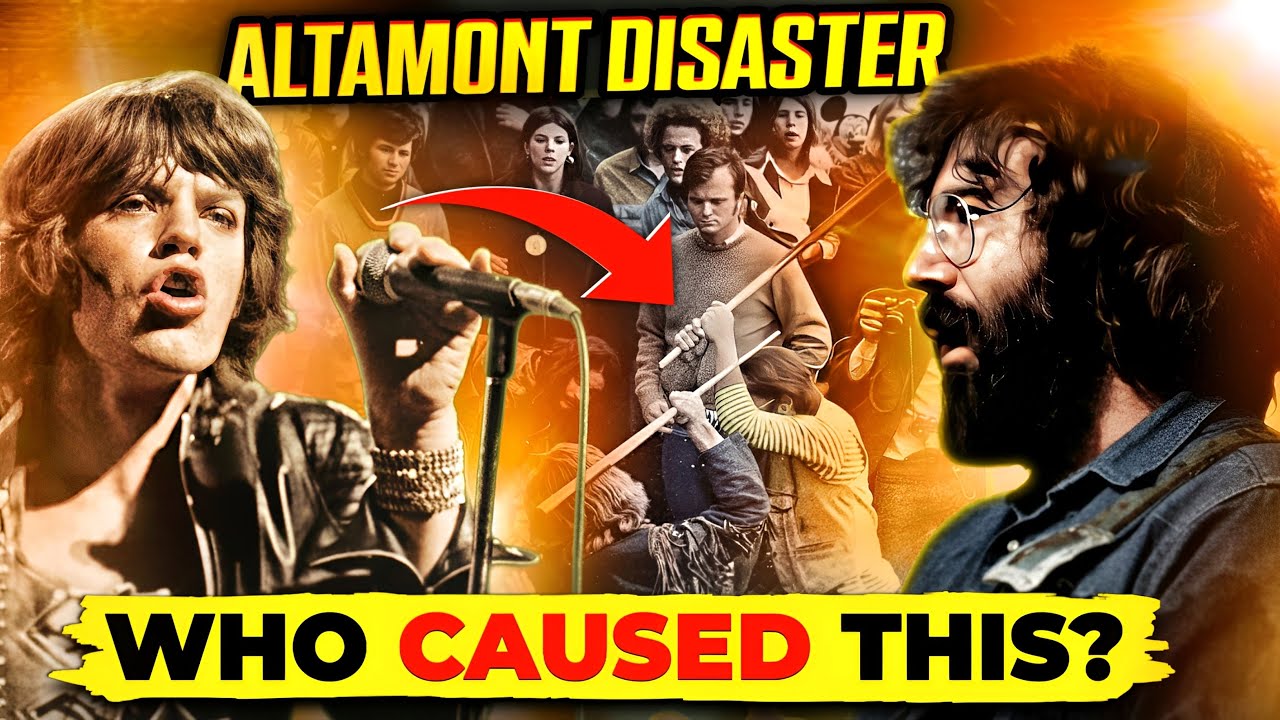
The free concert at Altamont Speedway on December 6, 1969, has been mythologized in rock history as a Rolling Stones event, a chaotic and tragic finale to the Stones’ 1969 American tour that ended in violence and destruction, symbolizing what many have called the death of the 1960s and the end of the counterculture’s optimistic era. But Sam Cutler, who was managing the Rolling Stones tour at the time and was intimately involved in the day-to-day operations, revealed a different version of events in multiple interviews, including a detailed discussion on the Deadcast years later. The concert was actually the Grateful Dead’s idea, he insisted. Rock Scully, the Dead’s tour manager, proposed it during a meeting at Mickey Hart’s Nevada ranch. The Dead volunteered to handle everything: Alec would manage sound, they’d get the word out through their network, they’d leverage their connection to the counterculture to make it happen. This wasn’t the Stones imposing a show on California; it was the Dead offering to facilitate it.
The Dead’s Experience With Free Shows
The Grateful Dead had successfully organized free concerts before, creating peaceful communal experiences that proved their ability to engage their audience without the apparatus of commerce. They had held events in Golden Gate Park and other Bay Area locations, demonstrations that they understood how to manage logistics, control crowds without violence, and create the kind of countercultural experience that defined their mission. These events demonstrated their practical competence and their philosophical commitment to free music as a public good. They approached the Altamont proposal with the confidence of a band that had solved the puzzle of free shows, that had figured out how to gather thousands of people and create a positive experience. What they didn’t account for was the scale difference between a San Francisco park event and a speedway that could hold tens of thousands, or the different dynamics that came with collaborating with the Rolling Stones’ massive entourage and security apparatus, which operated according to completely different principles and with different priorities.
The Biker Problem
The security for Altamont relied heavily on the Hell’s Angels motorcycle club, an arrangement that was intended to provide protection and order but instead created an unpredictable and volatile environment that escalated tensions rather than managing them. The Angels’ presence introduced a level of aggression and territorial control that was fundamentally at odds with the peaceful, communal ethos the Dead were trying to create. Unlike their previous free shows, which were organized within a trusted community of fellow travelers and sympathetic locals, Altamont assembled strangers on a vast open space with minimal infrastructure for safety, sanitation, or order. The combination of inadequate facilities, overcrowding, and the Angels’ aggressive security approach created conditions for catastrophe that proved difficult to manage.
The Turning Point
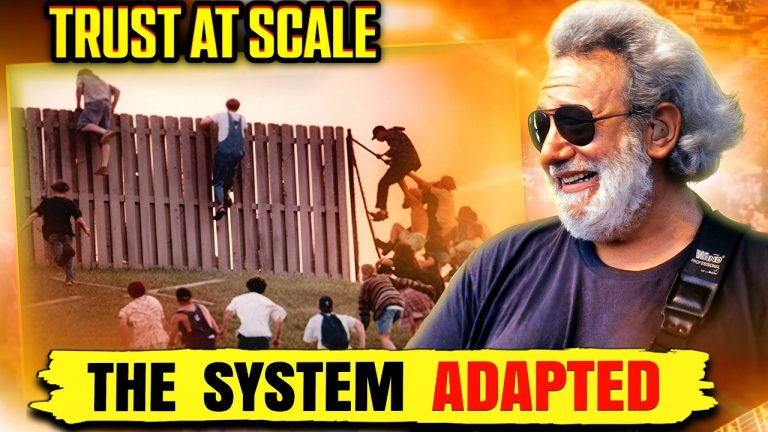
The violence at Altamont—including the murder of Meredith Hunter and the injuries to numerous others—traumatized the Grateful Dead in ways that fundamentally altered their perspective on their relationship with their audience and their role in the counterculture. They had imagined themselves as facilitators of community, as custodians of a peaceful, exploratory space where people could gather and transcend the divisions of mainstream society. Altamont revealed the limitations of that vision and the dangers of scale. Free shows worked in Golden Gate Park because the community was known and trusted. At Altamont, with thousands of strangers and inadequate security, the idealistic vision became impossible to maintain. The free show model proved incompatible with massive venues and unfamiliar crowds.
The Consequences
After Altamont, the Grateful Dead fundamentally reconsidered how they operated and how they related to their growing audience. The idea of massive free concerts as expressions of countercultural ideals became impossible to sustain in practice. They moved toward controlled venues, ticket systems, and more formalized relationships with their audience—not out of capitulation to commerce or abandonment of principle, but out of hard-won understanding that safety and community required structure. The free show model that had worked in Golden Gate Park became a liability in an uncontrolled environment with thousands of people and inadequate security. Altamont changed the Dead by teaching them that good intentions alone cannot guarantee good outcomes, that idealism without practical planning creates danger rather than transcendence.
Watch the full documentary on YouTube →
Subscribe to The Shakedown Archives for more Grateful Dead documentaries, and explore more stories at TheShakedownArchives.com.