Jerry Garcia Band Origins: The Bay Area Club Performances That Freed a Legend
The Grateful Dead in the early 1970s were a phenomenon—selling out arenas, commanding devoted audiences that grew larger with each tour. Yet even as the Dead’s star ascended, Jerry Garcia felt confined. The pressure was immense. The expectations were crushing. The same setlists, the same venues, the same thousands of faces night after night demanded something he couldn’t always give. So Garcia did what creative musicians have done for generations: he escaped.
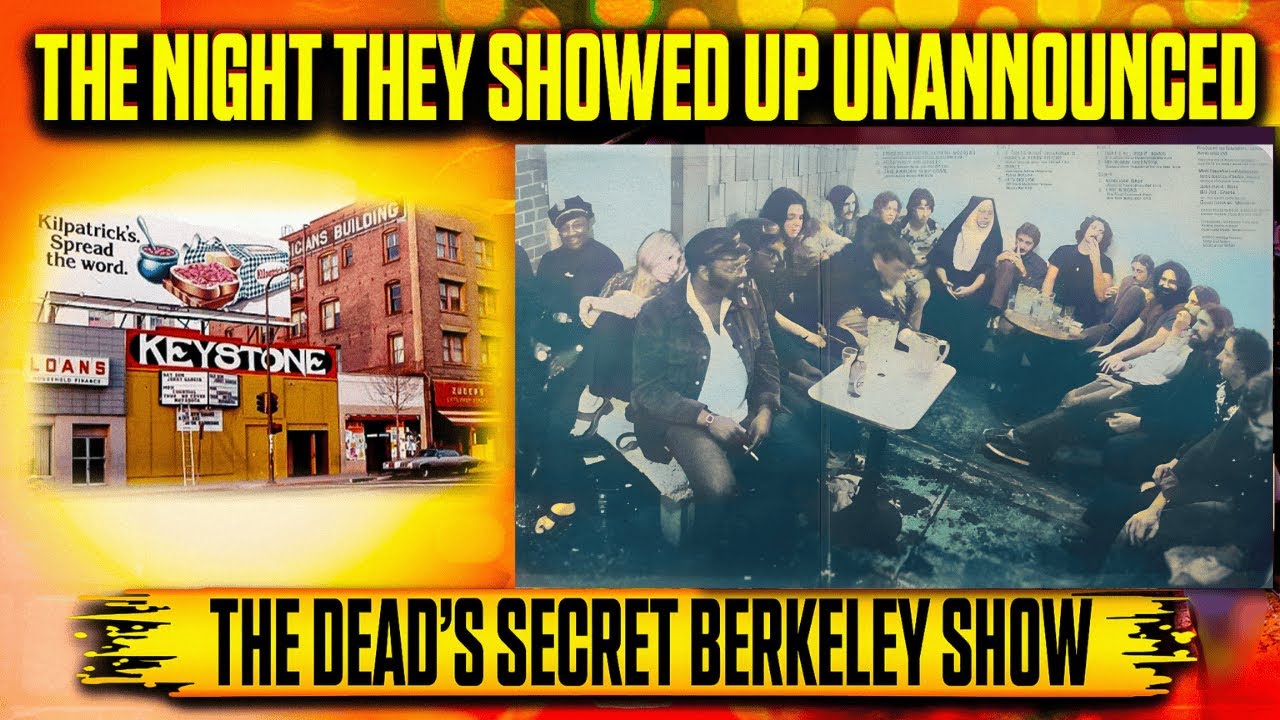
He escaped into small clubs across the San Francisco Bay Area. He escaped into informal jam sessions. He escaped into the covers he’d always loved—the R&B standards, the soul records, the folk songs, the jazz numbers that had nothing to do with the Dead’s sprawling improvisational psychedelia. In these intimate rooms, where capacity ran to a few hundred rather than thousands, Garcia found something the arena circuit couldn’t offer: freedom.
By 1970-1971
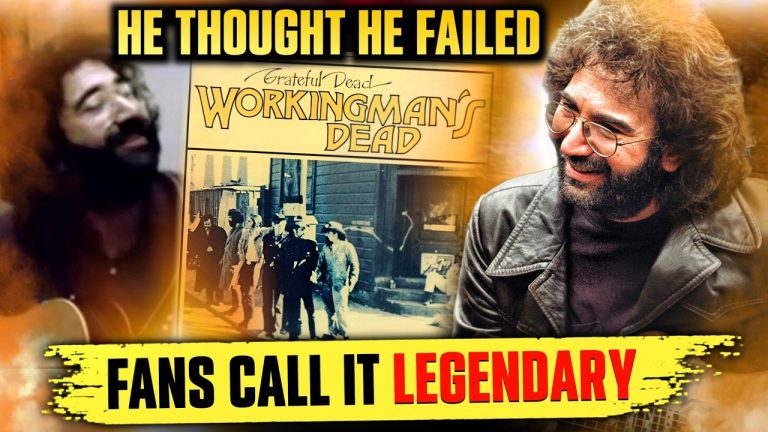
By 1970-1971, the Grateful Dead had transcended cult status. The band was legendary. They were the soundtrack to a generation’s spiritual awakening. Albums like American Beauty and Workingman’s Dead weren’t just successful—they were canonical. Garcia was the figurehead, the lead guitarist, the soul of the enterprise. Every fan expected transcendence. Every show was supposed to be the night the music saved their life.
That weight, that sacred expectation, could suffocate even the most generous spirit. Garcia loved the Dead. But he also needed oxygen.
The contrast between the Dead’s concerts and what he craved was absolute. A Fillmore East show might draw 3,000 people. A Dead concert by 1971 could pull 10,000 or 20,000. The anticipation was electric and exhausting. Garcia was the target of that energy—the bandleader everyone came to see. The pressure to deliver something transcendent, something that justified the faith, was relentless.
But down in a basement bar on a
But down in a basement bar on a Tuesday night in Oakland, in a pizza joint with a stage the size of a closet, nobody expected transcendence. They just wanted to hear good music. They wanted to groove. That was the revolution Garcia needed.
The Jerry Garcia Band didn’t begin as a formal project. It was never intended as a “side project”—that term suggests something secondary, supplementary, less important. Nothing could be further from the truth. For Garcia, these small-venue performances were essential. They were lifelines.
The early performances featured Garcia with keyboardist Merl Saunders, a versatile and deeply soulful musician who became Garcia’s primary collaborator in these intimate settings. Saunders had the chops for anything—soul, funk, blues, gospel, R&B. He could play a Motown standard with the same conviction he brought to a jazz standard. With Saunders anchoring the harmonic foundation, Garcia could explore. He could take risks. He could play songs that sounded nothing like Grateful Dead material.
These early Bay Area club dates became the
These early Bay Area club dates became the incubator for what would eventually become the Jerry Garcia Band as a touring entity. But the band’s DNA was formed in those small rooms, in that relaxed atmosphere, with that freedom at the core.
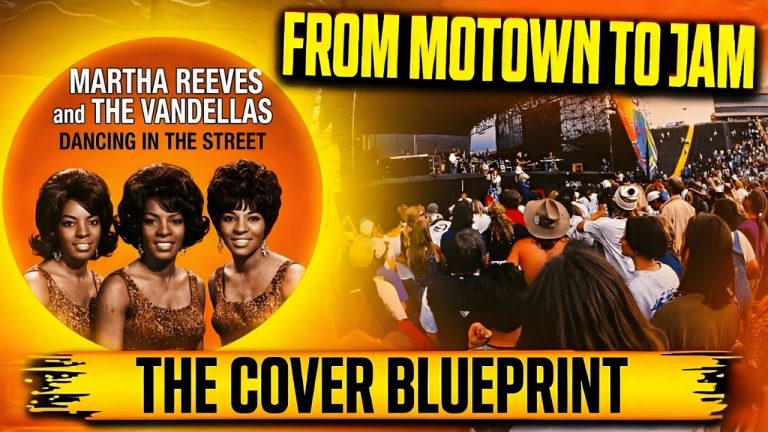
The setlists bore no resemblance to what the Dead were playing. Garcia would pull from decades of American music history. He’d cover R&B classics, soul standards, country songs, and folk ballads that had nothing to do with the Dead’s jam-band aesthetic. Songs like “Midnight Moonlight” became staples. Motown covers appeared regularly. Deep Dylan cuts that seemed obscure by comparison to the Dead’s usual fare. This was Garcia reconnecting with the foundational American music that had drawn him into music in the first place.
The intimate venues themselves became crucial to the experience. A 200-capacity club is fundamentally different from a 20,000-capacity arena. The acoustics are different. The relationship between band and audience is different. There’s no separation. No stage towers. No production elaborate enough to insulate the musicians from the crowd. Garcia could see the listeners’ faces. He could read their reactions in real time. It was music-making at human scale.
This human scale mattered to Garcia
This human scale mattered to Garcia. The Dead’s shows were ceremonies, and ceremonies require a certain distance. But these club shows were conversations. They were explorations conducted in real time with a small group of people who were there because they wanted to be, not because they needed to witness a cultural institution.
The Bay Area had a thriving network of such venues. Clubs in Oakland, Berkeley, San Francisco, and surrounding towns that hosted regular live music. These weren’t tourist destinations or high-profile stages. They were neighborhood joints, many of them featuring pizza or bar food. The vibe was casual. The expectations were local. Garcia could slip in, perform, and slip out without the Dead’s machinery surrounding him.
When Merl Saunders dominated the early years of these performances, the sound was rooted in soul and funk—organ-driven grooves that pulled Garcia toward blues soloing rather than the Dead’s extended modal wanderings. Saunders died in 1999, but by then the Jerry Garcia Band had evolved through multiple incarnations.
Melvin Seals joined as keyboardist in 1980
Melvin Seals joined as keyboardist in 1980, bringing a different sensibility—Motown inflection, gospel feeling, a brighter touch on the keys. With Seals, the Jerry Garcia Band took on a lighter, more swinging character. The Motown standards shifted in feel. The soul covers gained a new dimension. Seals’ gospel-trained fingers gave the music a spiritual quality that was different from Saunders’ funk-soul approach, but equally committed to grooves and feeling.
Throughout these iterations, the Jerry Garcia Band remained what it had always been: the arena where Garcia could be something other than the Grateful Dead’s leader. He could be a student of American music history. He could explore dynamics that didn’t fit the Dead’s identity. He could play shorter, more structured songs. He could focus on melody and groove instead of extended improvisation.
This raises a fundamental truth about artistic sustainability: even the greatest musicians need outlets beyond their primary vehicle. The Dead, by the early 1970s, was Garcia’s primary vehicle. It was successful. It was fulfilling in many ways. But it was also all-consuming. A creative life that exists entirely within one expression will eventually stagnate or collapse.
Garcia’s instinct
Garcia’s instinct—to seek small venues, informal settings, different collaborators, and different musical material—was the instinct of an artist protecting his own capacity for growth. By exploring R&B, soul, and jazz in intimate club settings, Garcia kept something alive in himself that the Dead alone couldn’t sustain. He remained a student of music. He remained curious. He remained open to surprise.
The Jerry Garcia Band evolved from these foundations into something larger—a proper touring outfit with its own history, its own audience, and its own place in Garcia’s legacy. But it was always rooted in that early impulse: the need for a stage where the pressure lifted, where the expectations relaxed, where a legendary musician could simply play music for the love of it.
In those small Bay Area clubs, in those informal jams with Merl Saunders and others, Jerry Garcia found what many artists search for but few achieve: a creative refuge. The Jerry Garcia Band wasn’t a side project. It was a lifeline—and the Bay Area’s intimate venue scene was where it began.
Related Articles
- Bob Weir Has Died. What Happens to the Grateful Dead Now?
- Why the Grateful Dead Will Never Die: The Next Generation Takes Over
- Dancing in the Street: How the Grateful Dead Learned to Jam from Motown and R&B
The Shakedown Archives publishes new research on Grateful Dead history each week. If you enjoyed this essay, you can subscribe to the companion YouTube channel below.
Subscribe on YouTube