How Deadheads Created Social Networks Decades Before Facebook
The Network Built by Hand, Before the Internet
Before Ticketmaster dominated concert ticketing, before email made instant communication routine, before smartphones revolutionized how we organize our lives and coordinate with others, Deadheads built something that by any rational analysis shouldn’t have been possible. They created a nationwide network that moved 20,000 people across state lines, coordinated hotels and car pools, and kept a touring rock band alive and thriving for three decades—all accomplished with decorated envelopes, 3×5 index cards, telephone hotlines, and sheer determination. This is the story of the infrastructure that fans built by hand, the analog social network that preceded Facebook and Twitter by decades and worked with remarkable efficiency despite its complete lack of digital infrastructure.
The Pre-Digital Ticketing Revolution of 1983
In 1983, if you wanted Grateful Dead tickets, you faced a radically different process than modern concert-goers experience today. You picked up the telephone and called a hotline—a volunteer-run operation staffed by dedicated fans who answered phones and processed requests with care and personal attention. This hotline was the hub of an elaborate communication network that Deadheads had constructed and maintained entirely by themselves, operating with almost no corporate involvement or infrastructure. It wasn’t run by a ticketing corporation with algorithms and customer data analytics; it was run by fans who understood that the Dead’s touring operation literally depended on them to function.
The volunteer hotline operators became informal ambassadors for the Grateful Dead community, providing information not just about ticket availability but about shows, venues, and logistics. Callers would reach actual human beings who cared about connecting them with the Dead’s music. This personal touch created a sense of community and belonging that modern, automated ticketing systems struggle to replicate.
The Infrastructure of Community
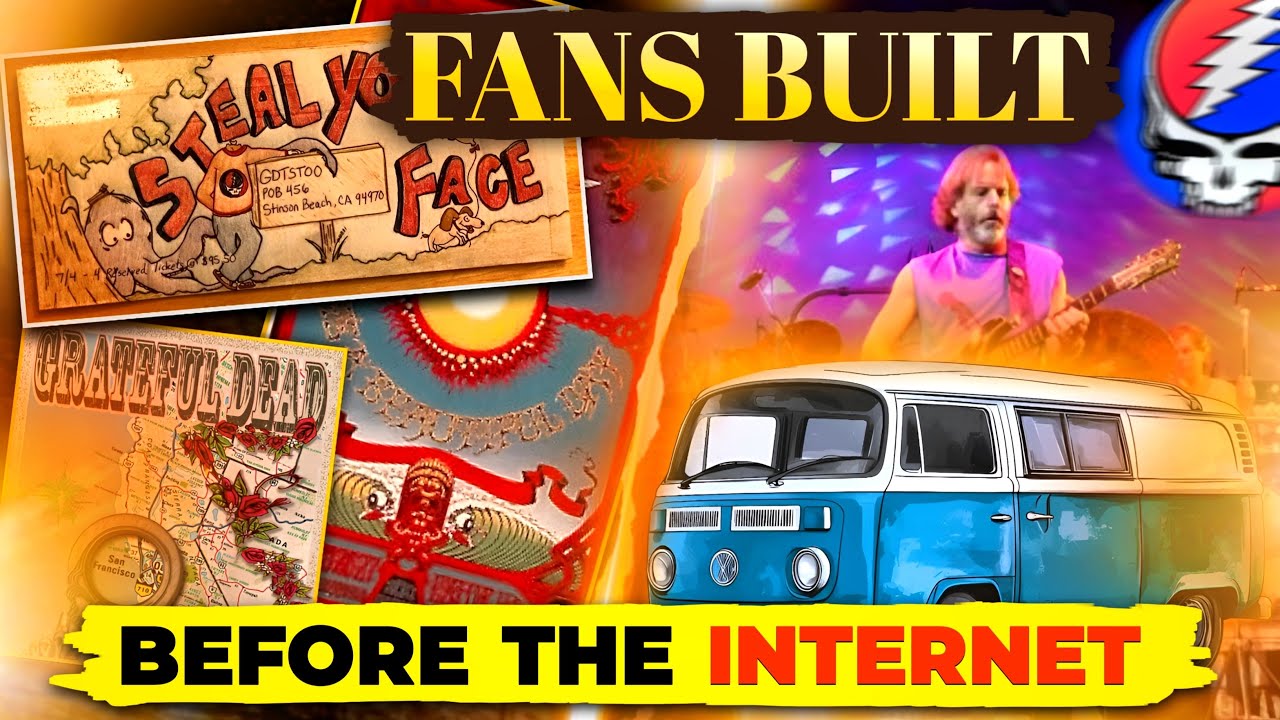
What made this network remarkable wasn’t just the ticketing system—it was the entire ecosystem that supported and enabled it. Deadheads maintained detailed, hand-written lists of upcoming tour dates, venue information, venue addresses and phone numbers, and logistical planning resources. They created and distributed newsletters containing show information, driving directions to each venue, hotel recommendations in cities where shows were scheduled, and practical tips for finding parking in unfamiliar cities. Some fans created comprehensive guides to each touring city based on their accumulated experience.
These communications traveled through the mail—physical envelopes decorated with colorful artwork and hand-written notes—creating a communication channel that was simultaneously more cumbersome than anything digital but also more personal and meaningful. Receiving a mailed piece of Dead community literature meant something; it represented someone taking time to create something beautiful and share it. The time and effort invested in these communications reinforced the community bonds they created.
The Logistics of Mass Movement
Coordinating 20,000 people to move across state lines for concerts is an extraordinary feat of logistics and social organization. Deadheads didn’t just show up to shows hoping to figure things out; they planned meticulously, sharing information and strategies with each other. They networked through phone calls between trusted contacts, exchanged information through hand-distributed flyers and newsletters, and shared strategies in informal gatherings and parking lots. This was genuine peer-to-peer coordination happening at scale, decades before social media platforms made such coordination commonplace.
Ride-sharing coordination happened through direct communication—word of mouth amplified and extended through a network of trusted contacts, informal vanpools, and shared hotel rooms. Hotel information was researched by adventurous fans and shared person-to-person, creating an informal database of which establishments were Deadhead-friendly. This entire operation predated the apps and platforms that would later automate these functions, yet somehow accomplished the same results through human connection and shared purpose.
Sustaining a Band’s Touring Operation
The Grateful Dead’s ability to tour continuously for thirty years depended entirely on this fan-built infrastructure—perhaps more than any touring band in history has depended on its fanbase. The band didn’t need to invest in their own elaborate marketing apparatus or professional ticketing infrastructure because the community had created one themselves. Deadheads essentially funded their own access to shows through the enormous time and effort they invested in building and maintaining these networks. This symbiotic relationship between band and audience created a model that was fundamentally different from and arguably more authentic than the standard concert industry model.
The Digital Age and the Loss of Something Valuable
When ticketing moved online and social media platforms replaced phone hotlines and mailed newsletters, something was gained in efficiency and scale but something was also undeniably lost in the texture and meaning of community. The decorated envelopes and handwritten directions represented more than just communication methods—they represented an investment of care, creativity, and personal effort that created a visceral sense of belonging. The Deadheads who built these networks did so not because it was the easiest path available to them, but because they believed fundamentally in creating community around the music they loved. Their analog social network demonstrates a truth that the digital age sometimes obscures: sometimes the most powerful networks are the ones built by people for people, without corporate mediation or profit motives driving every interaction. That’s a lesson worth remembering in our increasingly digitized world.
Subscribe to The Shakedown Archives for more Grateful Dead documentaries, and explore more stories at TheShakedownArchives.com.
The Shakedown Archives publishes new research on Grateful Dead history each week. If you enjoyed this essay, you can subscribe to the companion YouTube channel below.
Subscribe on YouTube