Jerry Garcia’s Guitar Tells You What Drug He Was On
Every chemical era of Jerry Garcia’s life is audible on the tape. Acid, cocaine, Persian heroin, the 1986 coma — what to listen for, era by era.

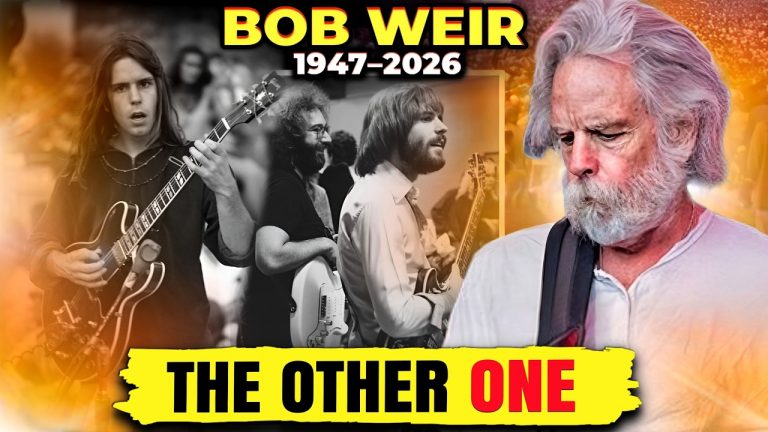
Bob Weir (born 1947) was the Grateful Dead’s rhythm guitarist, second vocalist, and the member most responsible for expanding what a rhythm guitar could do in an improvising band. His partnership with lyricist John Perry Barlow produced Estimated Prophet, Cassidy, Sugar Magnolia, Looks Like Rain, and many of the Dead’s most enduring songs. Post-Dead, he has led Ratdog, Furthur, Dead & Company, and his solo trio. Articles cover his songwriting, his relationship with Frankie Azzara, his role in holding the band together, and his late-career standing as the Dead’s surviving frontman.
Every chemical era of Jerry Garcia’s life is audible on the tape. Acid, cocaine, Persian heroin, the 1986 coma — what to listen for, era by era.
A police raid, 100,000 uninvited arrivals, and a drug scene turned dangerous — the real reasons the Grateful Dead left 710 Ashbury Street in 1968.
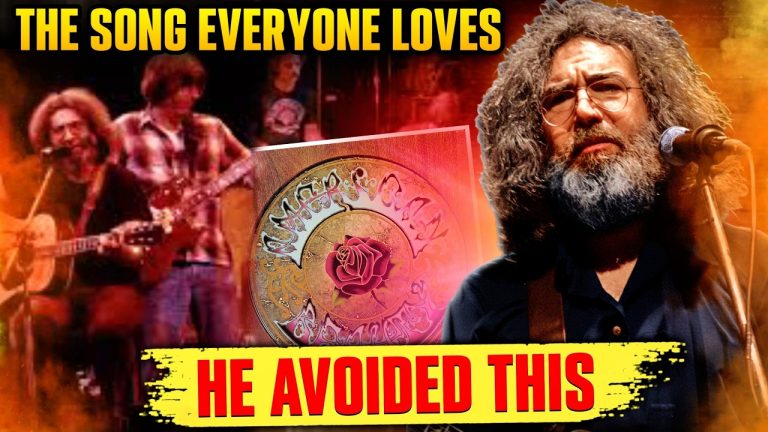
Ripple was the Grateful Dead’s most beloved song — and one of their rarest. Garcia wrote it on railroad tracks near Saskatoon, and the band played it maybe 40 times in 2,400 shows.

From Throwaway Single to Cultural Touchstone In 1970, the Grateful Dead released a song that wasn’t supposed to matter. A three-minute Chuck Berry knockoff edited down for radio because Warner Brothers needed a single. Something strange happened on the way to obscurity. That throwaway track became a 20-minute jam vehicle, a phrase quoted on Monday…
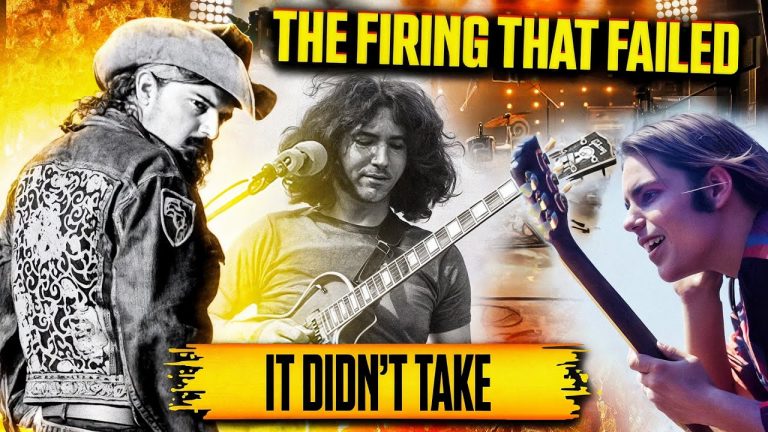
A Band at a Crossroads By the summer of 1968, the Grateful Dead faced a fundamental question about their musical identity. What had begun as a blues rock outfit with Pigpen as the dynamic frontman—delivering R&B covers and marathon versions of “Turn on Your Love Light”—was transforming into something entirely different. Jerry Garcia and Phil…

The Woman Behind the Summer Anthem Everyone knows “Sugar Magnolia.” It’s the sing-along at every Dead show, the summer anthem, Bob Weir bouncing across the stage while thousands of fans sing along: “She’s got everything delightful, she’s got everything I need.” But most people don’t know the woman who inspired that song—Frankie Azzara, a former…
The Architecture of the Grateful Dead Most bands fall apart because nobody can agree who’s in charge. The Grateful Dead survived because no one was—not entirely. Jerry Garcia led, but his idea of leadership was different from what people expected. Garcia led by creating space for others to lead within. He held the center without…
A Song About Connection “Ripple” might be one of the most gentle, introspective songs in the Grateful Dead’s catalog. Written by Jerry Garcia and Robert Hunter, it’s a meditation on connection, on how music and love ripple outward through the world, touching people in ways the artist might never fully know. The song speaks of…
A Drummer’s Tribute Mickey Hart was the keeper of rhythm in the Grateful Dead—the percussionist who brought Indian classical influences, world music traditions, and an almost shamanic approach to the drums into the band’s sound. Throughout five decades of touring and recording, Hart was the backbone, the anchor point from which the band’s collective explorations…

The Loss of Icons The Grateful Dead has endured loss before. The passing of Jerry Garcia on August 9, 1995, marked the end of an era—the original band, the touring juggernaut, the physical embodiment of the Dead’s sound and spirit. When Jerry died, the official Grateful Dead ceased touring. There would be no more shows,…
© 2026 The Shakedown Archives. Editorial research and commentary. Sources cited per article.