Jerry Garcia’s Guitar Tells You What Drug He Was On
Every chemical era of Jerry Garcia’s life is audible on the tape. Acid, cocaine, Persian heroin, the 1986 coma — what to listen for, era by era.

Owsley ‘Bear’ Stanley (1935–2011) was the Grateful Dead’s original soundman, patron, and chemist — the man who funded the band’s early years by producing the era’s most renowned LSD, and who later designed the Wall of Sound, the most ambitious concert sound system ever attempted. The Dancing Bears logo is named after him. Articles cover his scientific and musical contributions, his drug-era history, and his role as one of the Dead’s foundational characters.
Every chemical era of Jerry Garcia’s life is audible on the tape. Acid, cocaine, Persian heroin, the 1986 coma — what to listen for, era by era.
A police raid, 100,000 uninvited arrivals, and a drug scene turned dangerous — the real reasons the Grateful Dead left 710 Ashbury Street in 1968.
The Grateful Dead’s oldest live recording has been attributed to January 8, 1966 at the Fillmore Acid Test for decades. Frame-by-frame forensic analysis proves most of it came from Los Angeles — and the Merry Pranksters who assembled it never cared about the difference.
How Owsley ‘Bear’ Stanley bankrolled the Grateful Dead, designed the Wall of Sound, and built the tape archive that outlived the band itself — and the price the band paid for it.
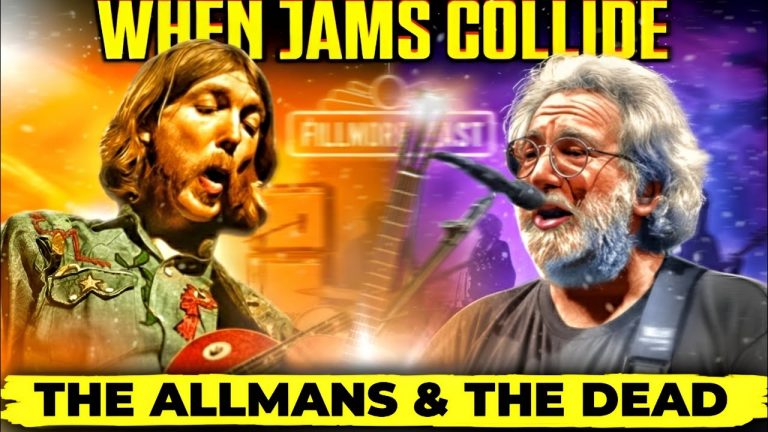
A Night of Legends: Grateful Dead and Allman Brothers at Fillmore East On February 11th, 1970, the legendary Fillmore East venue in New York City hosted what would become one of rock history’s most paradoxical and contradictory moments. The Grateful Dead, by this time already established icons of American music, experimental rock, and the San…

The Bears Aren’t Dancing—They’re Marching The Grateful Dead’s dancing bears appear everywhere in the cultural landscape: on T-shirts, bumper stickers, license plates, even golf balls. These colorful, playful bears have become shorthand for the Dead’s brand and the community that surrounds the music. But there’s something most people don’t realize when they wear or display…
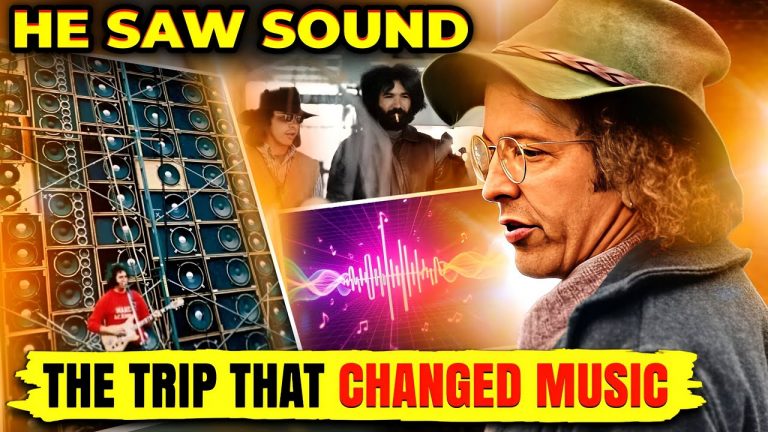
The Moment Acid Met Technology Before Owsley “Bear” Stanley became synonymous with the Wall of Sound—the most ambitious and technologically sophisticated sound system ever deployed in rock music history—and before he became the Dead’s legendary soundman, there was a single moment in 1965 that set everything in motion and defined his entire approach to audio…
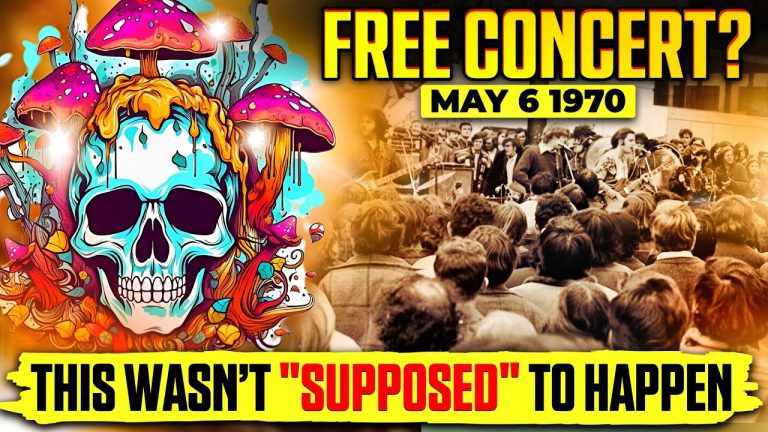
On May 6-7, 1970, the Grateful Dead stepped onto the stage at MIT’s Kresge Auditorium in Cambridge, Massachusetts, during one of the most turbulent weeks in American college history. Just days earlier, National Guardsmen had opened fire on student protesters at Kent State, killing four. Students across the nation had launched coordinated strikes against the…
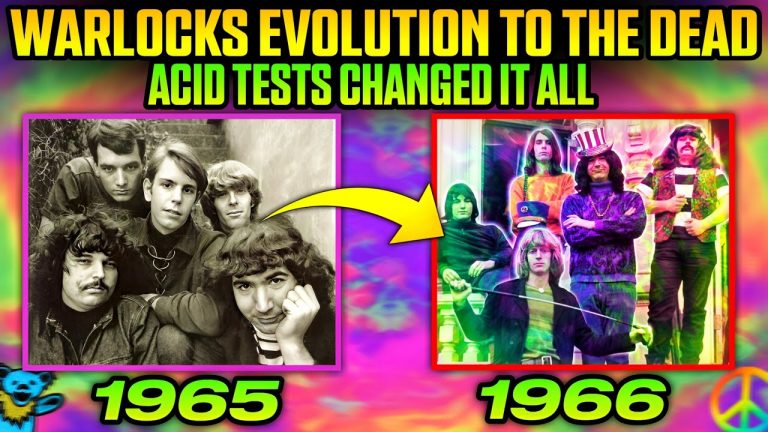
The Grateful Dead didn’t emerge from a recording studio or a carefully planned record label strategy. They crystallized in the chaos of Ken Kesey’s Acid Tests—psychedelic happenings that lasted barely six months but fundamentally reshaped rock and roll, counterculture, and the very concept of what a concert could be. Between November 1965 and January 1966,…
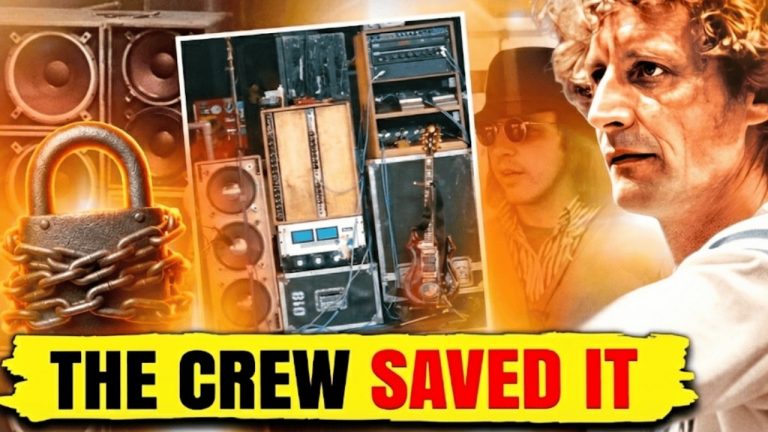
The Grateful Dead weren’t just six musicians playing guitars and drums. They were a family—a touring operation that depended on a crew whose dedication to the mission rivaled that of the band members themselves. This reality became crystal clear on August 17, 1969, at the Fillmore West in San Francisco, when a payment dispute with…
© 2026 The Shakedown Archives. Editorial research and commentary. Sources cited per article.