Jerry Garcia’s Guitar Tells You What Drug He Was On
Every chemical era of Jerry Garcia’s life is audible on the tape. Acid, cocaine, Persian heroin, the 1986 coma — what to listen for, era by era.

Phil Lesh (1940–2024) was the Grateful Dead’s bassist for the band’s entire thirty-year run. A classically trained composer with no rock background when he joined, Lesh reinvented what a bass could do — treating it as a melodic lead instrument rather than a rhythm-section anchor. After the Dead, he led Phil & Friends, underwent a liver transplant in 1998, and continued performing until shortly before his 2024 death. Articles cover his musical approach, Friends lineups, health history, and the sons who now carry his music forward.
Every chemical era of Jerry Garcia’s life is audible on the tape. Acid, cocaine, Persian heroin, the 1986 coma — what to listen for, era by era.
A police raid, 100,000 uninvited arrivals, and a drug scene turned dangerous — the real reasons the Grateful Dead left 710 Ashbury Street in 1968.
How Owsley ‘Bear’ Stanley bankrolled the Grateful Dead, designed the Wall of Sound, and built the tape archive that outlived the band itself — and the price the band paid for it.
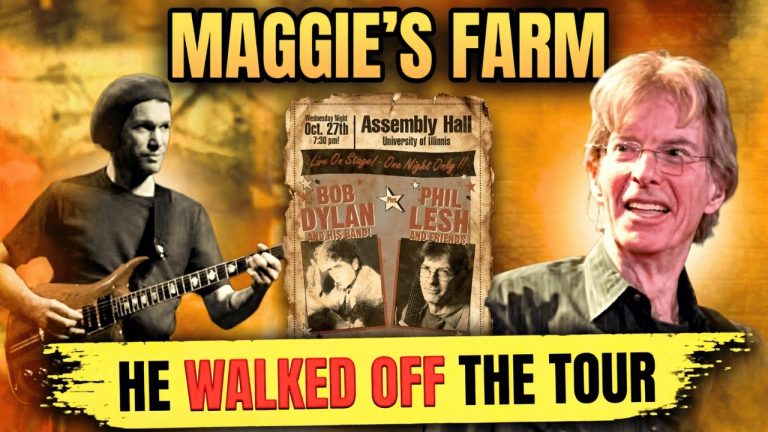
Jerry Garcia called Steve Kimock his favorite unknown guitar player. He anchored Phil Lesh & Friends through the Warfield shows with Trey Anastasio. Then one show on the Dylan tour — and he drove home forever.
The Reunion That Was Always on the Horizon In their final conversations, the surviving members of the Grateful Dead spoke about plans that would never come to pass. Phil Lesh, the innovative bassist whose musical imagination had shaped the Dead’s sound for fifty years, was supposed to be there for one more reunion. The band…
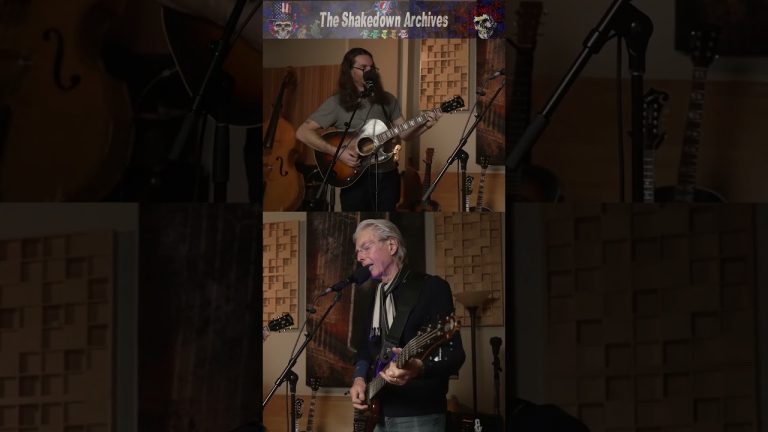
Uncovering the Lost Verses: Phil and Grahame Lesh Recover Hidden Verses of ‘Friend of the Devil’ In a fascinating and revealing musical archaeology and research session, Phil Lesh—the Grateful Dead’s foundational bassist and one of the band’s primary creative forces—and his son Grahame Lesh explored the deep and extensive catalog of Grateful Dead compositions, working…
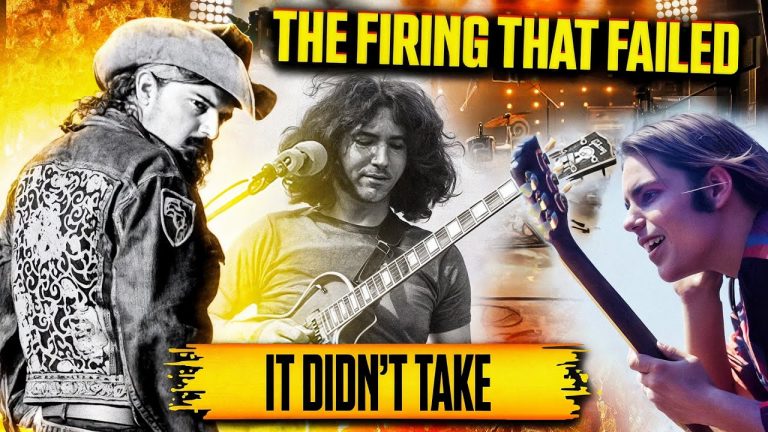
A Band at a Crossroads By the summer of 1968, the Grateful Dead faced a fundamental question about their musical identity. What had begun as a blues rock outfit with Pigpen as the dynamic frontman—delivering R&B covers and marathon versions of “Turn on Your Love Light”—was transforming into something entirely different. Jerry Garcia and Phil…
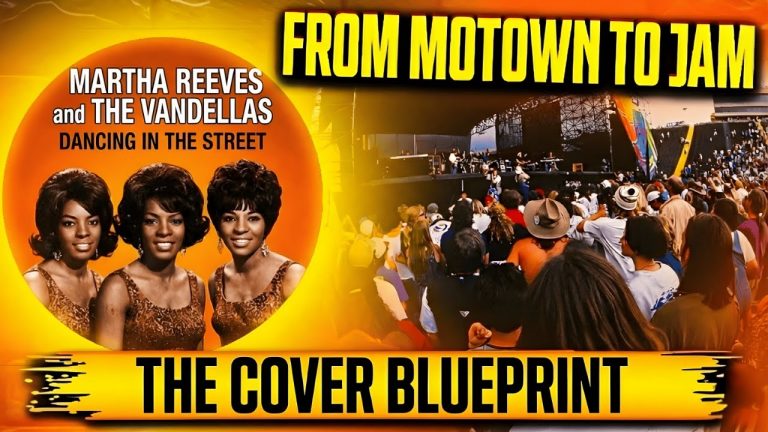
When a Motown Hit Met Psychedelia Phil Lesh once said something that’s easy to miss if you’re not paying attention: “Dancin’ in the Streets” was the first song the Grateful Dead stretched out from a short pop song into a drawn-out jam piece. Not the first song they jammed—they were already taking “Turn On Your…
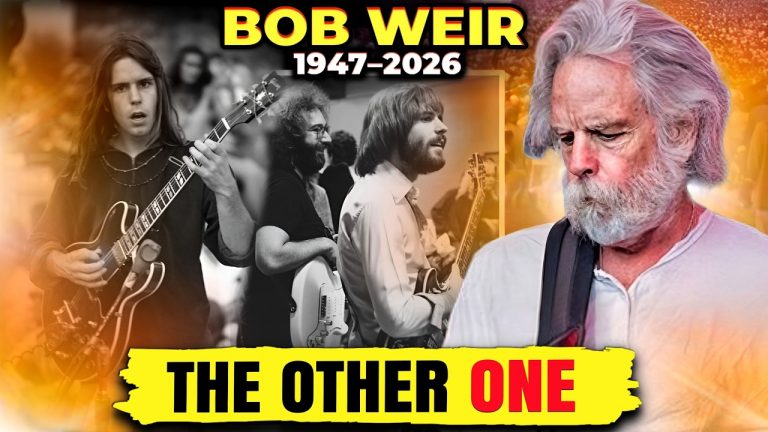
The Architecture of the Grateful Dead Most bands fall apart because nobody can agree who’s in charge. The Grateful Dead survived because no one was—not entirely. Jerry Garcia led, but his idea of leadership was different from what people expected. Garcia led by creating space for others to lead within. He held the center without…
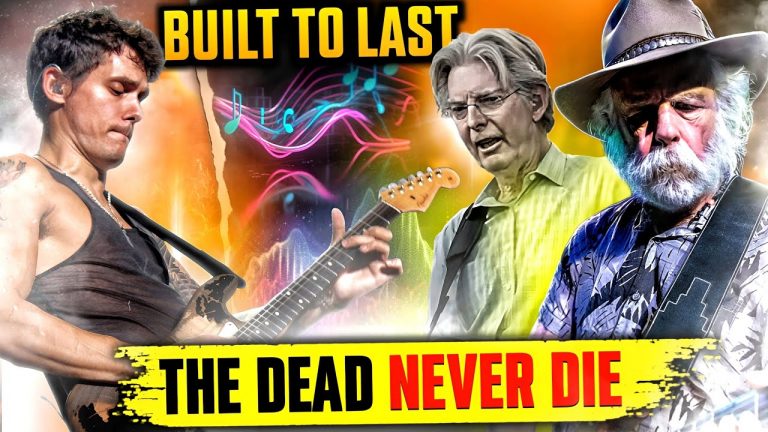
The Loss of Icons The Grateful Dead has endured loss before. The passing of Jerry Garcia on August 9, 1995, marked the end of an era—the original band, the touring juggernaut, the physical embodiment of the Dead’s sound and spirit. When Jerry died, the official Grateful Dead ceased touring. There would be no more shows,…
© 2026 The Shakedown Archives. Editorial research and commentary. Sources cited per article.