The Grateful Dead’s First Bassist Lasted Only 4 Shows
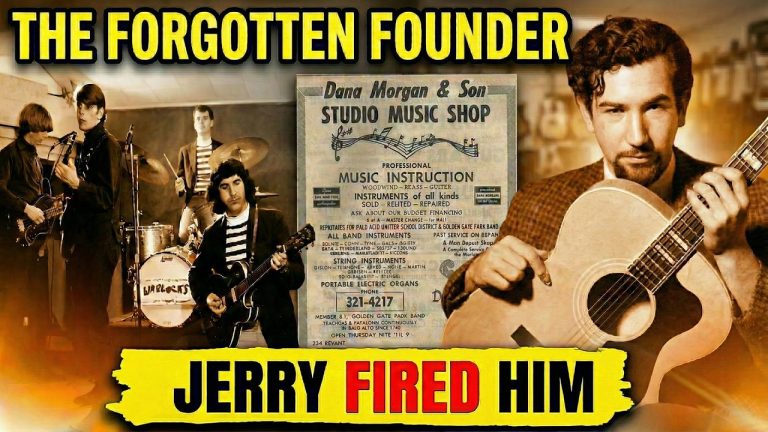
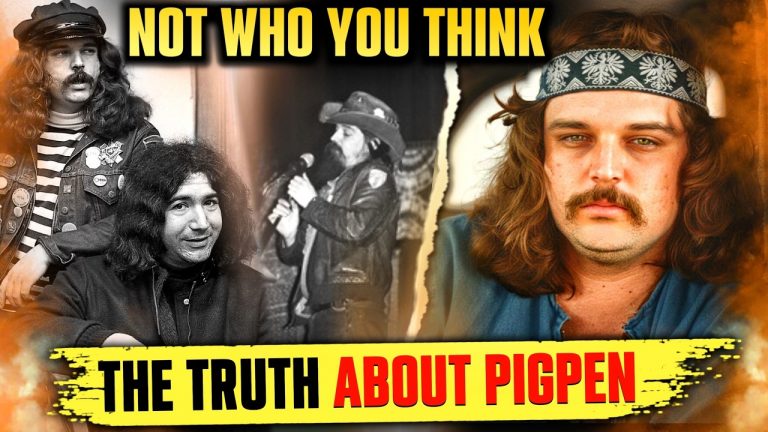
Most people think the Grateful Dead started at an Acid Test. They didn’t. They started in the back of a music store — playing for Dana Morgan Jr., who they fired after just 4 shows.
Phil Lesh (1940–2024) was the Grateful Dead’s bassist for the band’s entire thirty-year run. A classically trained composer with no rock background when he joined, Lesh reinvented what a bass could do — treating it as a melodic lead instrument rather than a rhythm-section anchor. After the Dead, he led Phil & Friends, underwent a liver transplant in 1998, and continued performing until shortly before his 2024 death. Articles cover his musical approach, Friends lineups, health history, and the sons who now carry his music forward.
Most people think the Grateful Dead started at an Acid Test. They didn’t. They started in the back of a music store — playing for Dana Morgan Jr., who they fired after just 4 shows.
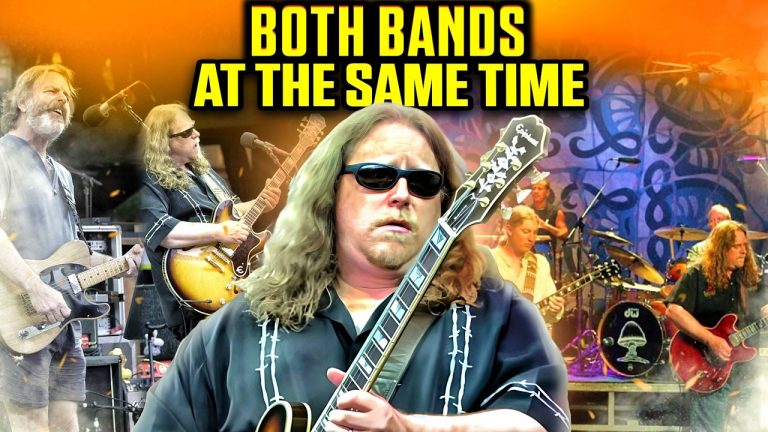
In 2004, Warren Haynes played 80+ shows across The Dead and the Allman Brothers — learning 150 songs while both bands told him: don’t imitate the legend before you.
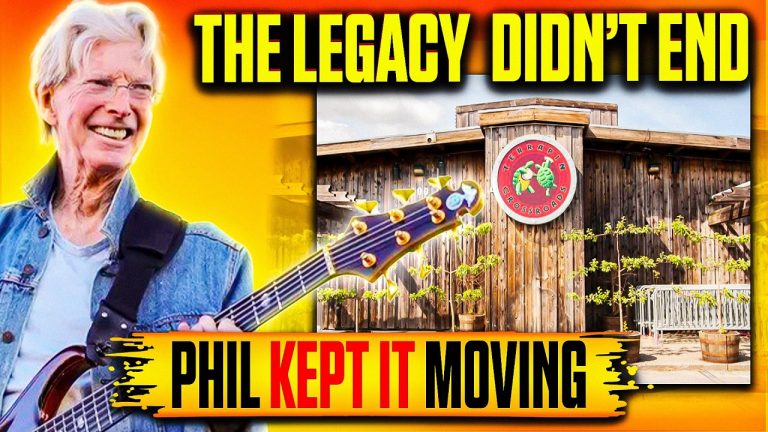
Phil Lesh spent 30 years in a band that never stayed still — then tried to give that culture a permanent address. Terrapin Crossroads lasted nine years and proved something nobody expected.
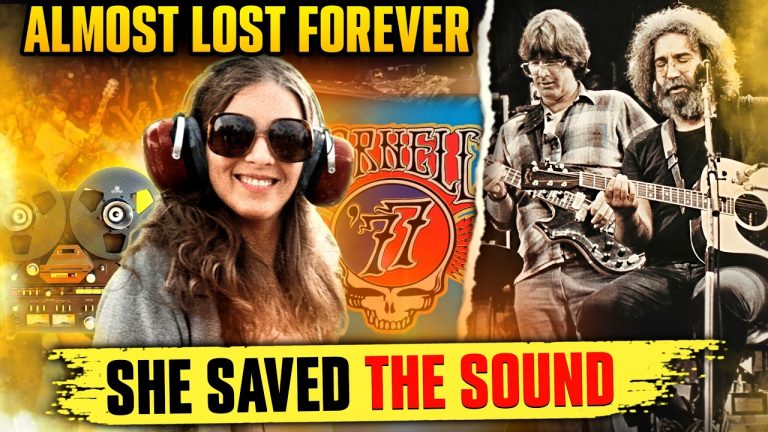
In 1968, a young woman named Betty Cantor walked into a Grateful Dead recording session and changed the course of music history. As the band’s pioneering live sound engineer and recordist, Betty Cantor-Jackson would spend the next thirteen years capturing some of the most legendary performances in rock history — recordings that fans would later…
On March 20, 2012, Phil Lesh opened Terrapin Crossroads in San Rafael, California—a venue and community space that would serve as laboratory, gathering place, and experimental station for Grateful Dead music and culture. The venue had a simple mission: create an environment where musicians could collaborate nightly, where the Dead’s material and related music could…
The news arrived like a shock despite the inevitability of mortality. Bob Weir, eighty years old and still performing with Dead & Co, had died. Within fifteen months, two of the original five members of the Grateful Dead—Phil Lesh in October 2024 and now Bob Weir—had passed away. For the first time in the band’s…
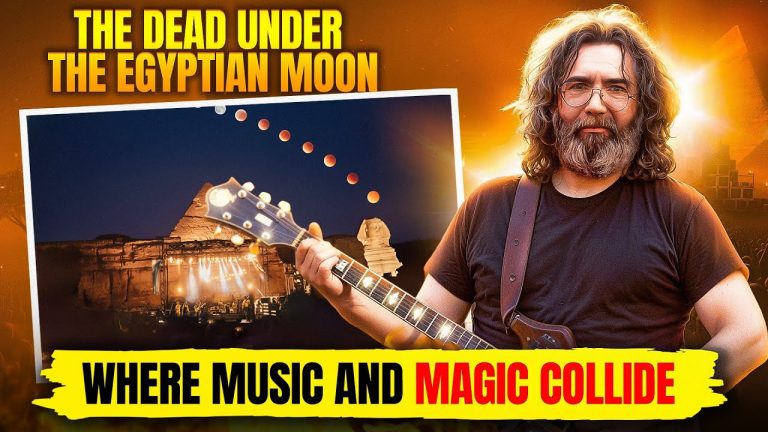
In September 1978, the Grateful Dead accomplished what few bands in history have even dared to imagine: they mounted a major concert production at the Great Pyramid of Giza in Egypt, complete with a total lunar eclipse coinciding with one of the performances. What unfolded across three shows—September 15, 16, and 19—was part musical event,…
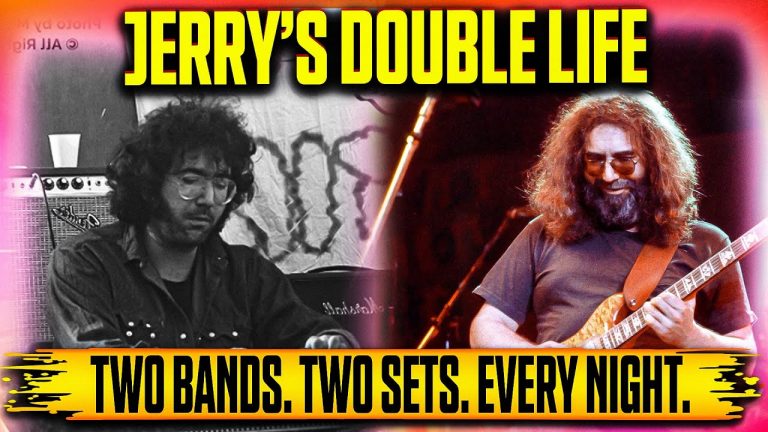
In the annals of rock and roll excess, few stories capture the sheer ambition and musical hunger of Jerry Garcia quite like his years with New Riders of the Purple Sage. Between 1969 and 1971, Garcia accomplished something that would exhaust most mortals: he maintained full membership in two serious, touring bands while simultaneously mastering…
On August 16, 1969, the Grateful Dead took the stage at Woodstock and delivered what is widely considered one of the worst performances in the festival’s history. Equipment malfunctions, electrical shocks, and a rain-soaked stage turned their set into a legendary disaster. But what happened next would define the band’s entire future. While nearly every…
When the Grateful Dead recorded Workingman’s Dead in 1970, Jerry Garcia was convinced he had ruined one of the album’s most beautiful songs. “High Time” — a tender, heartbreaking ballad about loss and longing — nearly didn’t make the final cut because Garcia felt his vocal performance fell short of what the song deserved. The…