Jerry Garcia’s Guitar Tells You What Drug He Was On
Every chemical era of Jerry Garcia’s life is audible on the tape. Acid, cocaine, Persian heroin, the 1986 coma — what to listen for, era by era.

Every chemical era of Jerry Garcia’s life is audible on the tape. Acid, cocaine, Persian heroin, the 1986 coma — what to listen for, era by era.
A police raid, 100,000 uninvited arrivals, and a drug scene turned dangerous — the real reasons the Grateful Dead left 710 Ashbury Street in 1968.
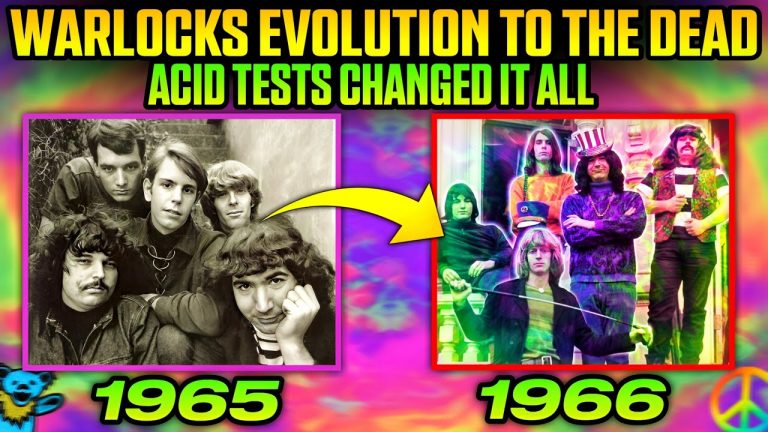
The Grateful Dead didn’t emerge from a recording studio or a carefully planned record label strategy. They crystallized in the chaos of Ken Kesey’s Acid Tests—psychedelic happenings that lasted barely six months but fundamentally reshaped rock and roll, counterculture, and the very concept of what a concert could be. Between November 1965 and January 1966,…
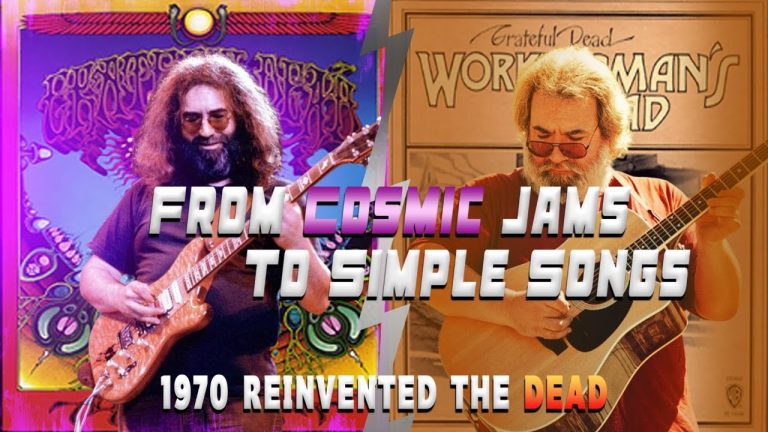
The year 1970 stands as one of rock and roll’s most paradoxical moments: a year when the Grateful Dead faced financial ruin, legal peril, and devastating personal loss—yet somehow created two of the most enduring and beloved albums in American music history. Workingman’s Dead, released in June, and American Beauty, arriving in November, didn’t just…
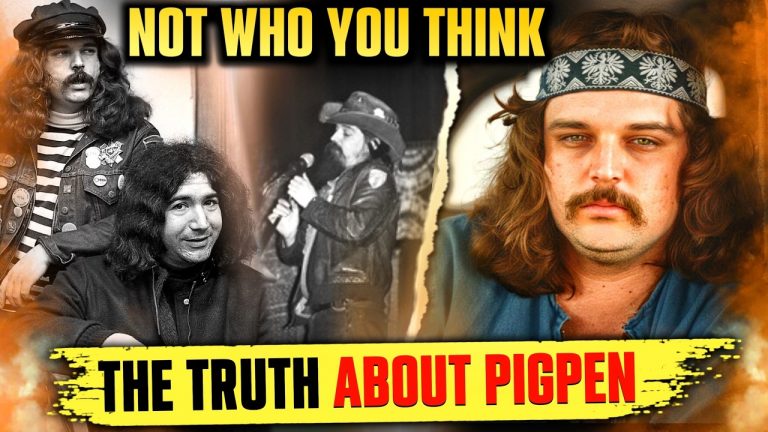
Pigpen wasn’t the Dead’s drunk blues singer who got left behind. He was the band’s original leader — and his role was far more important than the myth suggests.
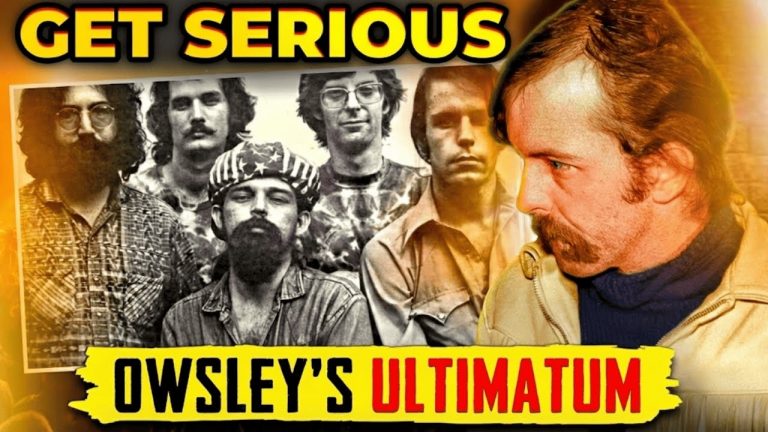
In 1970, Owsley Stanley threatened to walk away from the Grateful Dead unless they got their act together. The confrontation nearly destroyed the band.

Owsley Stanley didn’t just make the acid — he funded the Dead’s equipment, designed their PA, and shaped the band’s entire sonic identity.
© 2026 The Shakedown Archives. Editorial research and commentary. Sources cited per article.