Jerry Garcia’s Guitar Tells You What Drug He Was On
Every chemical era of Jerry Garcia’s life is audible on the tape. Acid, cocaine, Persian heroin, the 1986 coma — what to listen for, era by era.

Every chemical era of Jerry Garcia’s life is audible on the tape. Acid, cocaine, Persian heroin, the 1986 coma — what to listen for, era by era.
A police raid, 100,000 uninvited arrivals, and a drug scene turned dangerous — the real reasons the Grateful Dead left 710 Ashbury Street in 1968.
The Grateful Dead’s oldest live recording has been attributed to January 8, 1966 at the Fillmore Acid Test for decades. Frame-by-frame forensic analysis proves most of it came from Los Angeles — and the Merry Pranksters who assembled it never cared about the difference.
For seventeen years, the Grateful Dead stopped playing songs for twenty minutes every night. Mickey Hart, Bill Kreutzmann, custom instruments, and the ritual that came back to the Sphere in 2024.
How Owsley ‘Bear’ Stanley bankrolled the Grateful Dead, designed the Wall of Sound, and built the tape archive that outlived the band itself — and the price the band paid for it.
How a $5,000 Rex Foundation check from the Grateful Dead funded Lithuania’s 1992 Olympic basketball team — and put tie-dye skeleton jerseys on the Barcelona podium.
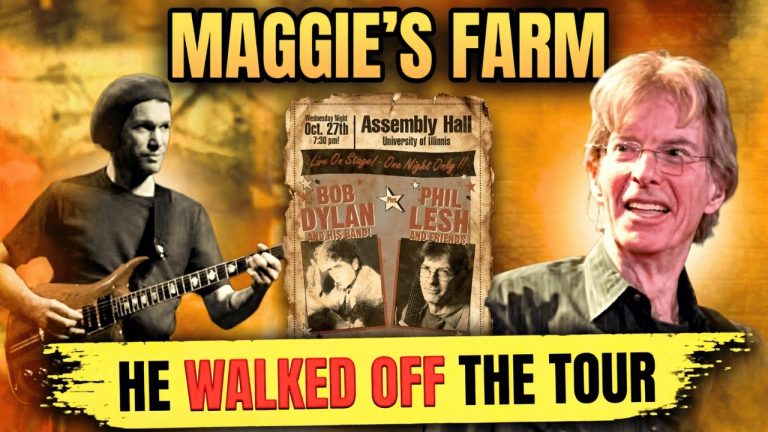
Jerry Garcia called Steve Kimock his favorite unknown guitar player. He anchored Phil Lesh & Friends through the Warfield shows with Trey Anastasio. Then one show on the Dylan tour — and he drove home forever.
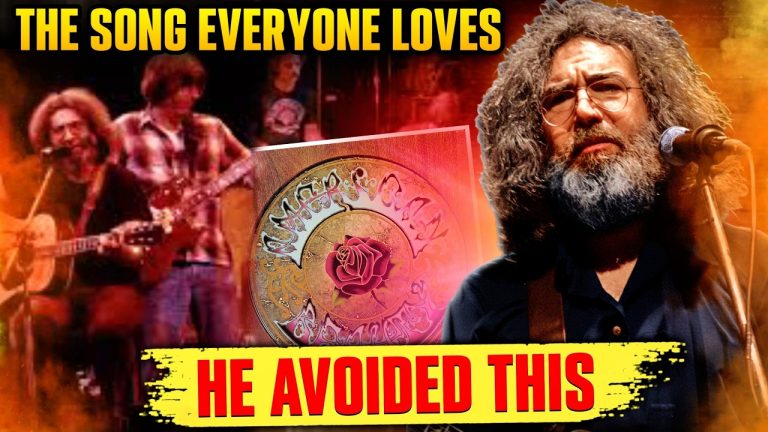
Ripple was the Grateful Dead’s most beloved song — and one of their rarest. Garcia wrote it on railroad tracks near Saskatoon, and the band played it maybe 40 times in 2,400 shows.
A Drummer’s Spiritual Quest Mickey Hart came to Indian classical music not through academic study but through a kind of spiritual hunger. In the late 1960s, as he was establishing himself as the Grateful Dead’s drummer, Hart began to explore percussion traditions from around the world. He wasn’t looking for exotic sounds to add to…
A Musical Discovery That Shaped Everything For decades, few people understood that Indian classical music fundamentally shaped the Grateful Dead’s approach to improvisation. The band’s exploration of ragas and North Indian classical traditions created the theoretical foundation for their free-form jamming that would become their signature. What started as a passionate listening habit turned into…
© 2026 The Shakedown Archives. Editorial research and commentary. Sources cited per article.