Warren Haynes Had to be Jerry Garcia and Duane Allman — In the Same Year
In 2004, Warren Haynes played 80+ shows across The Dead and the Allman Brothers — learning 150 songs while both bands told him: don’t imitate the legend before you.

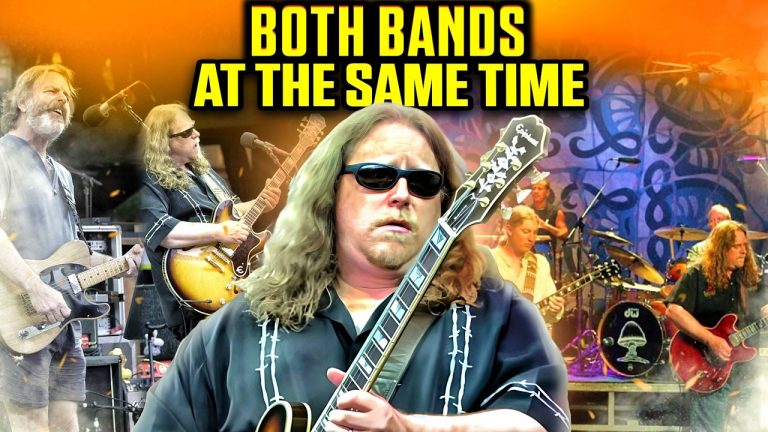
In 2004, Warren Haynes played 80+ shows across The Dead and the Allman Brothers — learning 150 songs while both bands told him: don’t imitate the legend before you.
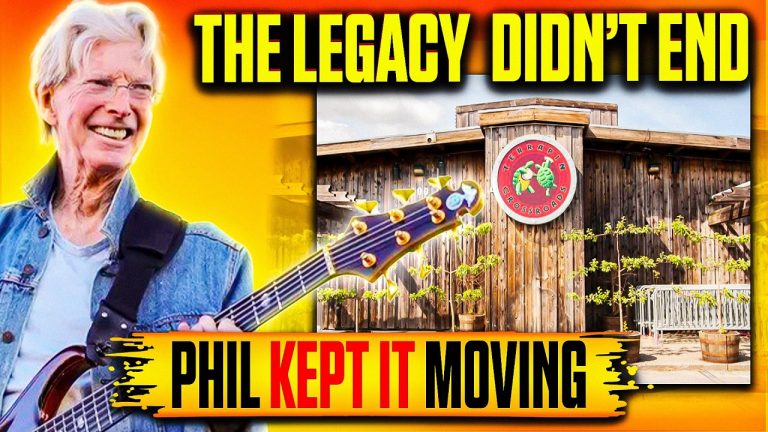
Phil Lesh spent 30 years in a band that never stayed still — then tried to give that culture a permanent address. Terrapin Crossroads lasted nine years and proved something nobody expected.
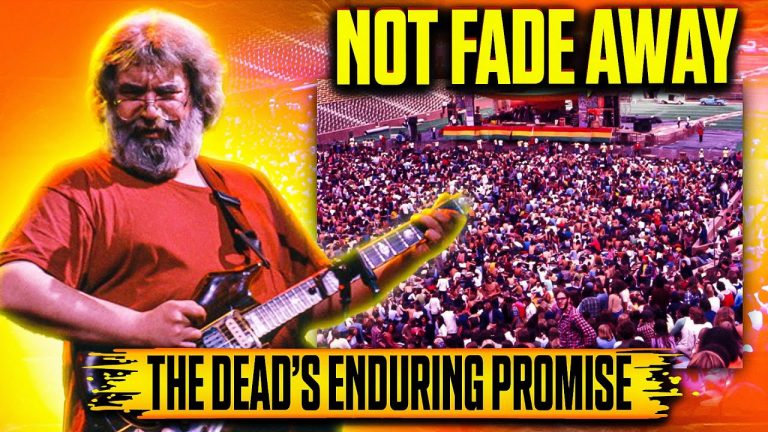
“Not Fade Away” is a deceptively simple song. Written by Buddy Holly and Norman Petty in 1957, it emerged from a specific moment in the history of rock and roll—a moment when Holly was experimenting with different rhythmic approaches and production techniques. The song is built on a foundation: the Bo Diddley beat, that distinctive…
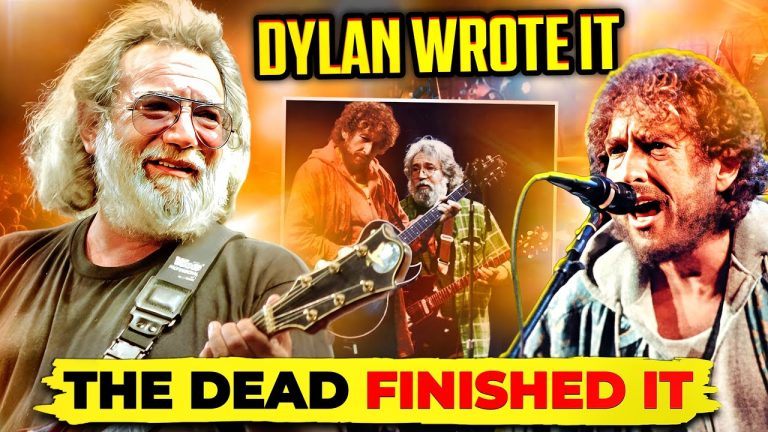
In the summer of 1987, two towering figures of American rock and roll converged on stadium stages across North America. Bob Dylan, the Nobel laureate of songwriting whose revolutionary albums had fundamentally altered the trajectory of popular music, agreed to share the stage with the Grateful Dead—a band that had built its entire existence on…
The Grateful Dead‘s cultural legacy rests primarily on the music they created and the community they fostered, but their impact on the music industry itself—though less celebrated—may ultimately prove equally significant. At a time when record labels maintained iron control over artists’ masters and touring infrastructure was dominated by massive corporations with their own agendas,…
The Grateful Dead were supposed to make great studio albums. They had the talent, the ambition, and—eventually—the budget. Instead, they became the most important live band in rock history by doing something radical: abandoning the studio as their primary artistic medium. This wasn’t failure—it was liberation. The contradiction haunted the Dead from their debut in…
The conventional narrative of rock history draws a clean line between 1960s hippie culture and 1970s punk rock. According to this version, punks and hippies were fundamentally opposed—spiritual versus cynical, loose versus tight, analog versus digital. The Grateful Dead, as the quintessential hippie institution, should have been public enemy number one for the leather-jacketed, safety-pin-adorned…
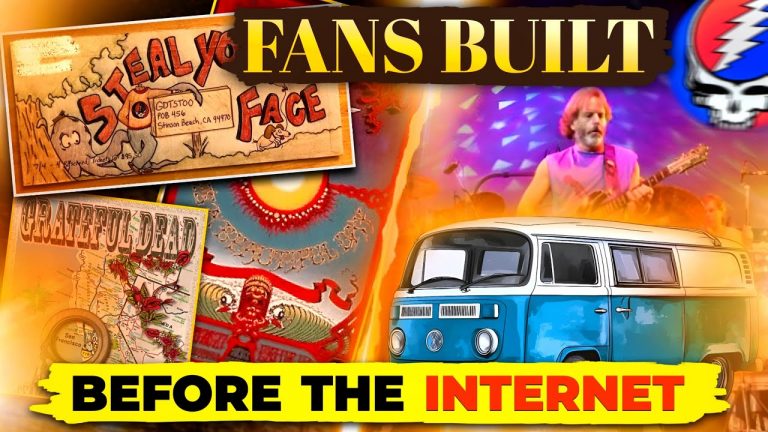
The Grateful Dead didn’t just make music—they engineered a decentralized social network that functioned with remarkable sophistication for nearly three decades before Mark Zuckerberg wrote a single line of Facebook code. Long before algorithms and data harvesting, Deadheads created something far more elegant: a self-organizing ecosystem built on trust, voluntary participation, and a radical gift…
© 2026 The Shakedown Archives. Editorial research and commentary. Sources cited per article.