The Most Important Venue In a Post Jerry World
Phil Lesh spent 30 years in a band that never stayed still — then tried to give that culture a permanent address. Terrapin Crossroads lasted nine years, produced extraordinary music, and proved something nobody expected.
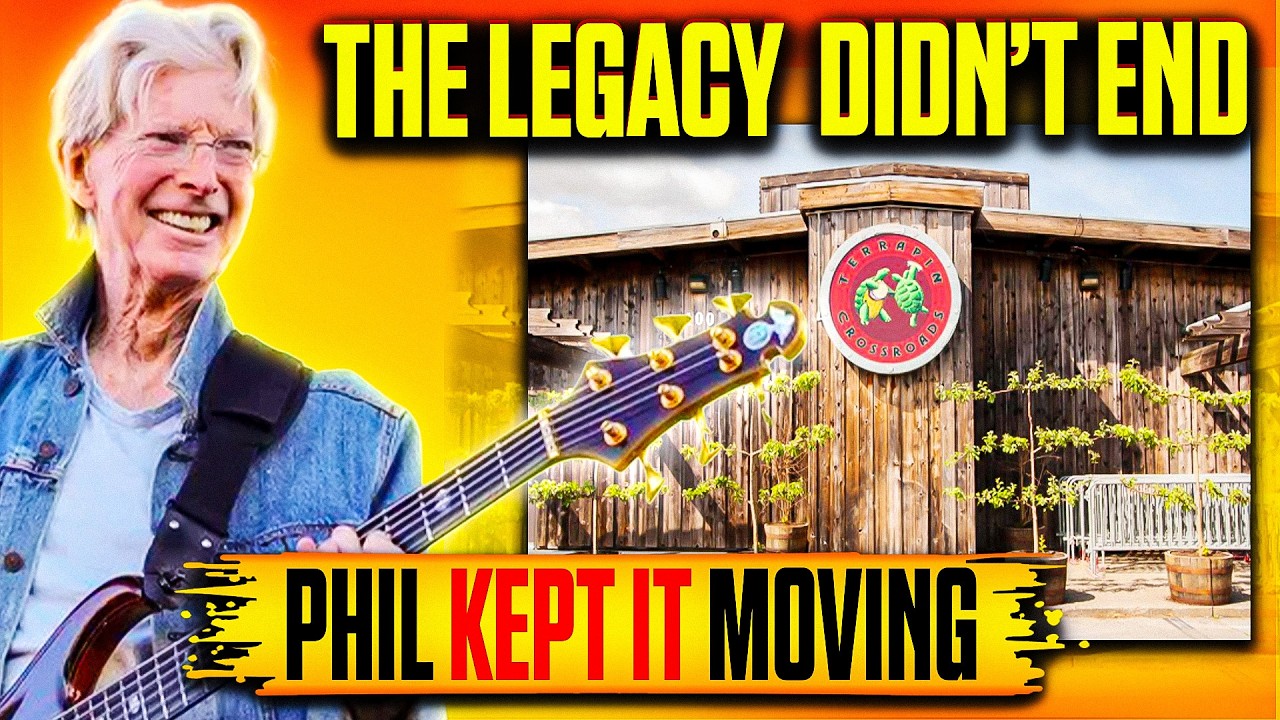
After Jerry Garcia‘s death in 1995, the surviving members of the Grateful Dead spent years searching for what came next — The Other Ones, Furthur, Dead & Company. Phil Lesh took a different path. In March 2012, Phil and his wife Jill opened Terrapin Crossroads in San Rafael, California — not a venue they rented, but a place they owned. What Lesh called “my sandbox.”
For nearly a decade
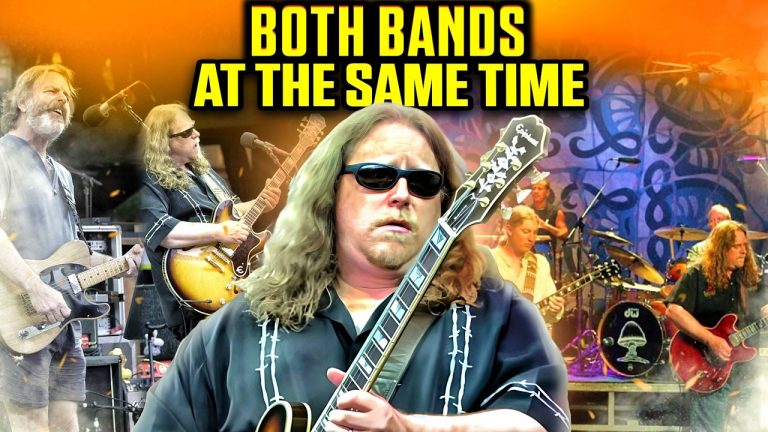
For nearly a decade, 40-plus musicians would collaborate on any given night. Phil Lesh & Friends rotated through lineups featuring Warren Haynes, John Scofield, his sons Grahame and Brian Lesh, and whoever happened to be in the Bay Area. The Grate Room held maybe 150 people. Phil played four or five nights a week.
This documentary covers the full arc: Phil’s decision to stop touring, the Terrapin Crossroads experiment in multigenerational music, Fare Thee Well in 2015, the venue’s closure during COVID in November 2021, Phil Lesh’s death in October 2024, and Grahame Lesh’s Terrapin Roadshow carrying the spirit back onto the road in 2025.
Phil Lesh’s Vision
When Phil Lesh opened Terrapin Crossroads in San Rafael, California, on March 20, 2012, he was attempting something no member of the Grateful Dead had tried before. He wasn’t building a concert venue — San Francisco had plenty of those. He was building a community space, a place where the culture of improvisational music could have a permanent home instead of existing only on tour.
The concept was rooted in Lesh’s understanding of what the Grateful Dead had really been. Not a band in the conventional sense, but an ecosystem. The music happened on stage, but the culture happened in the parking lots, in the tape-trading networks, in the communities that formed around shared experience. Terrapin Crossroads was designed to capture that ecosystem in a single physical location — a restaurant, bar, and music venue where musicians and fans could interact daily, not just during occasional concert events.
The Music
What distinguished Terrapin Crossroads from other music venues was its commitment to improvisation. Lesh performed there regularly with rotating groups of musicians under various configurations — Phil Lesh and Friends, the Terrapin Family Band, and countless informal collaborations. The venue’s intimate size (approximately 300 capacity for the main stage, with a smaller bar area called the Grate Room) meant that audiences were physically close to the musicians, recreating the energy of the Dead’s early club shows before arena tours became the norm.
The rotating cast of musicians was deliberate. Lesh invited players from across the jamband and roots music world to sit in, fostering the kind of spontaneous musical conversations that the Grateful Dead had pioneered. On any given night, a scheduled show might transform into something entirely unexpected when an unannounced guest walked on stage. This unpredictability — the sense that anything could happen — was central to the Grateful Dead experience, and Lesh transplanted it into a permanent setting.
Closure and Legacy
Terrapin Crossroads closed in January 2021, a casualty of the COVID-19 pandemic. The venue had operated for nearly nine years — a remarkable run for an independent music venue, especially one built around a philosophy rather than a profit model. Lesh was in his late seventies during the venue’s final years, and his willingness to perform multiple nights per week well into his eighth decade demonstrated a commitment to the music that transcended career considerations.
The venue’s closure left a void that no other space has filled. Other jamband venues exist, but none replicated Terrapin Crossroads’ specific combination of a living Grateful Dead member as artistic director, an intimate physical space, a commitment to improvisation over setlists, and a genuine community atmosphere. It proved Lesh’s original thesis — that the Grateful Dead’s culture could sustain a permanent physical home — while also proving that such a space depends on the irreplaceable presence of the people who created that culture in the first place.
The Live Experience
The Grateful Dead’s live performances were fundamentally different from those of any other major rock band. While most acts rehearsed and repeated a fixed setlist, the Dead approached each show as a unique event. Setlists were chosen shortly before the performance, and the transitions between songs — the spaces where improvisation lived — were entirely spontaneous. A concert might last three hours or more, moving through structured songs, extended jams, and passages of pure collective improvisation that could be transcendent or chaotic, sometimes both simultaneously.
This approach demanded extraordinary musical communication. Each member of the band had to listen constantly to every other member, responding in real time to melodic suggestions, rhythmic shifts, and dynamic changes. Garcia often described it as a conversation — not a performance, but a dialogue between musicians who had developed, over years of playing together, an almost telepathic understanding of each other’s musical instincts. When it worked, the result was music that felt inevitable and surprising at the same time.
The Deadhead Phenomenon
The community that formed around the Grateful Dead was unprecedented in popular music. Deadheads didn’t just attend concerts — they built a culture. Tape trading networks distributed live recordings across the country before the internet existed, creating a shared archive of performances that fans studied with scholarly intensity. The parking lot scene at Dead shows became a self-sustaining economy of food vendors, craft sellers, and itinerant entrepreneurs who followed the band from city to city.
What distinguished Deadhead culture from ordinary fandom was its participatory nature. Deadheads didn’t consume the Grateful Dead’s music passively — they actively shaped the experience. Their energy in the audience influenced the band’s playing. Their tape trading preserved and disseminated the music. Their economic activity in the parking lots created the ecosystem that made extended touring financially viable. The relationship between the Dead and their audience was genuinely symbiotic, each sustaining and inspiring the other across three decades of continuous performance.
Related Articles
- Warren Haynes Had to be Jerry Garcia and Duane Allman — In the Same Year
- Why the Grateful Dead Will Never Die: The Next Generation Takes Over
- Bob Weir Has Died. What Happens to the Grateful Dead Now?
The Shakedown Archives publishes new research on Grateful Dead history each week. If you enjoyed this essay, you can subscribe to the companion YouTube channel below.
Subscribe on YouTube