How a 1930s Prison Blues Song Became a Grateful Dead Anthem
“I Know You Rider” started as an anonymous prison blues from the 1930s. The Grateful Dead turned it into the second half of their most beloved song pairing.

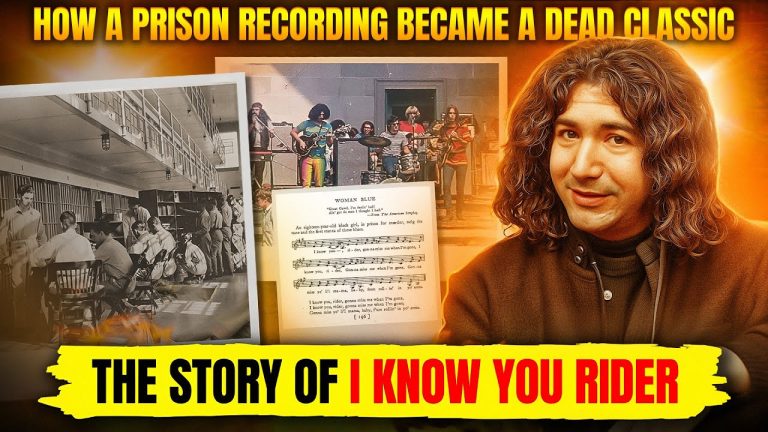
“I Know You Rider” started as an anonymous prison blues from the 1930s. The Grateful Dead turned it into the second half of their most beloved song pairing.
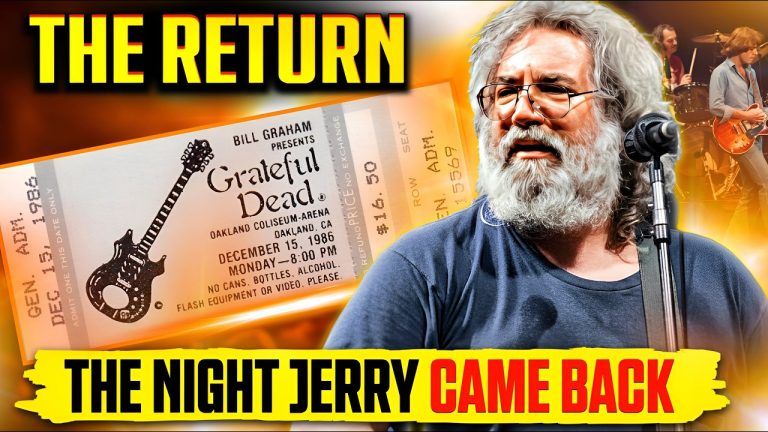
On December 15, 1986, the Grateful Dead played a comeback show at the Oakland Coliseum that saved Jerry Garcia’s career and redefined the band’s future.
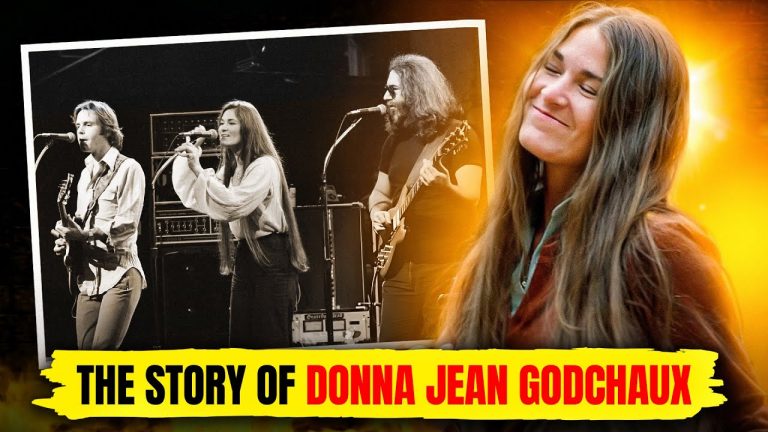
Before Donna Jean Godchaux sang with the Grateful Dead, she was a Muscle Shoals session vocalist who sang on records by Elvis and Aretha Franklin.
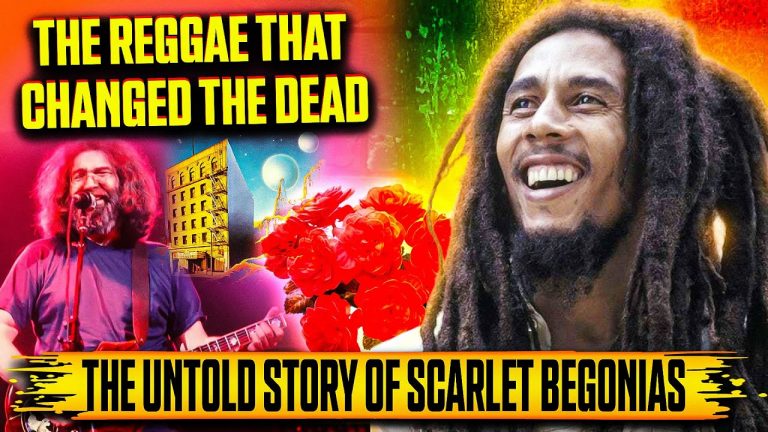
The Grateful Dead wrote “Scarlet Begonias” after failing to land a Bob Marley collaboration — and it became half of their most iconic song pairing.
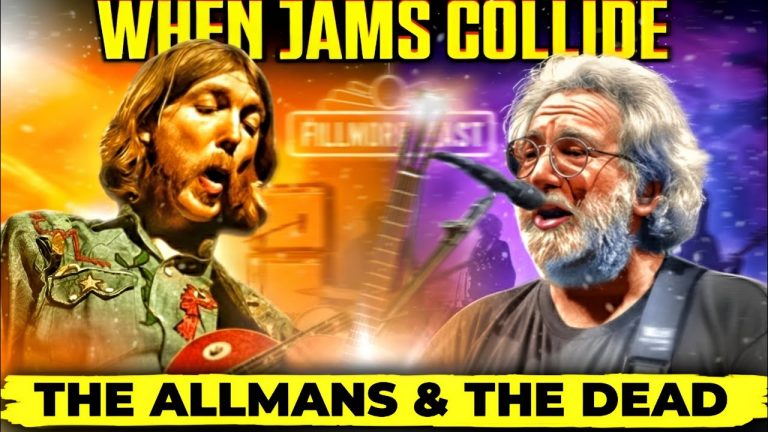
The Grateful Dead and the Allman Brothers shared stages, shared influences, and quietly resented each other. The Fillmore East shows tell the real story.
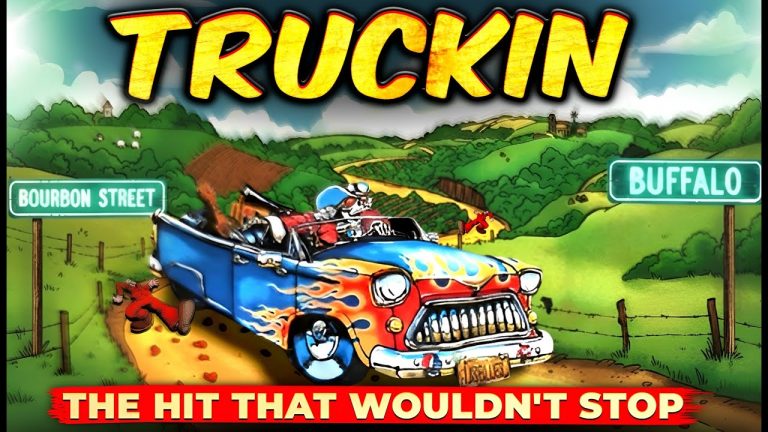
“Truckin'” was born from a real drug bust in New Orleans, became the Dead’s only charting single, and was declared a national treasure by the Library of Congress.
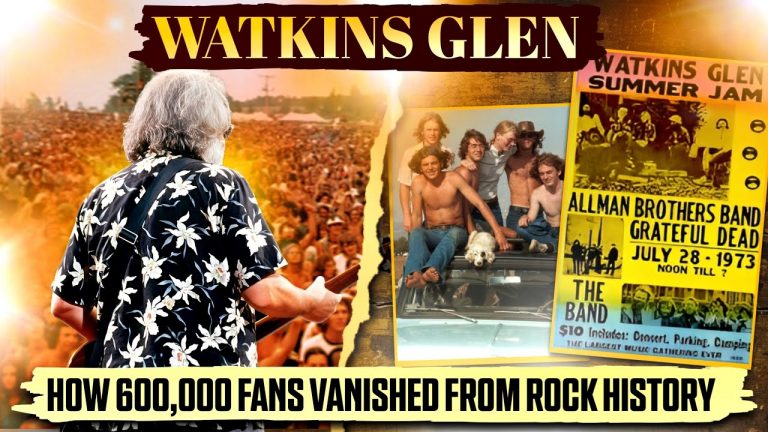
Six hundred thousand people showed up to Watkins Glen in 1973 for the Dead, the Allman Brothers, and the Band — and almost nobody remembers it.

Europe ’72 wasn’t just a live album — it was a financial rescue mission, a creative peak, and the most elaborate overdub job in Dead history.